

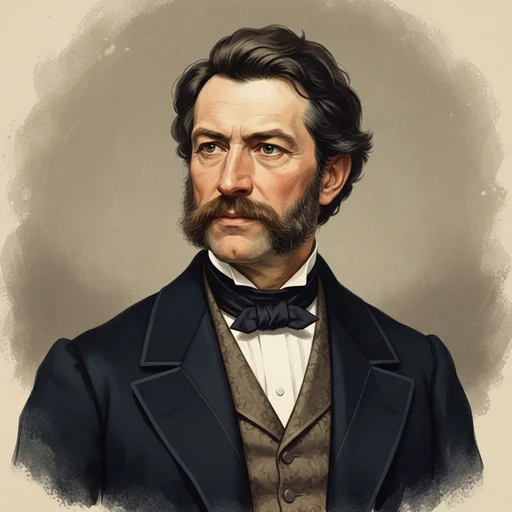
Alexandre Dumas 24 Temmuz 1802'de Villers-Cotterêts kasabasında doğdu. Babası Thomas-Alexandre Dumas, Saint-Domingue'de bir Fransız soylusuyla köleleştirilmiş bir kadının oğluydu; devrim ordularında generalliğe yükseldi, Napoléon'la arası açıldı ve 1806'da, oğlu dört yaşına basmadan öldü. Dul kalan anneye maaş bağlanmadı, aile yoksullaştı. Düzenli öğrenim göremedi; tek sermayesi güzel el yazısıydı, on dört yaşında kasaba noterine kâtip oldu. 1823'te Paris'e gitti; aynı el yazısı onu geleceğin kralı Louis-Philippe'in, yani Orléans Dükü'nün yazı odasına soktu. Akşamları tiyatrodaydı, geceleri Shakespeare ve Schiller okuyordu. Şubat 1829'da Comédie-Française'de oynanan III. Henri ve Sarayı klasik kuralları hiçe sayarak gürültü kopardı; Hugo'nun Hernani'sinden bir yıl önce romantik tiyatronun ilk zaferi sayıldı. İki yıl sonra Antony bu ünü pekiştirdi. Gazetelerin tefrika romana açıldığı 1840'larda asıl damarını buldu. Auguste Maquet'yle çalışarak 1844'te Üç Silahşör'ü Le Siècle'de, Monte Kristo Kontu'nu Journal des débats'ta tefrika ettirdi. Kazandığını hızla harcadı: bir tiyatro kurdu, Port-Marly'de Monte Kristo Şatosu'nu yaptırdı. Tiyatro 1850'de iflas edince alacaklılardan kaçıp Brüksel'e sığındı. Sonra Rusya'yı dolaştı, İtalya'da Garibaldi'ye katıldı, dört yıl Napoli'de kaldı. Kalemi tarihi bir arşiv gibi değil, bir sahne gibi kullanır: olayı diyalogla yürütür, bölümü tam merak yerinde keser. Tarihsel romanı okur azınlığından çıkarıp geniş kitleye mal etti, macera anlatısının bugün hâlâ işleyen kalıplarını kurdu. 5 Aralık 1870'te, Prusya savaşının ortasında, Dieppe yakınındaki Puys'de oğlunun evinde neredeyse parasız öldü. 2002'de kalıntıları Panthéon'a taşındı.
19th-century French Romanticism, middle-aged man, expressive face, mutton-chop whiskers, wearing a formal Victorian-era frock coat.