

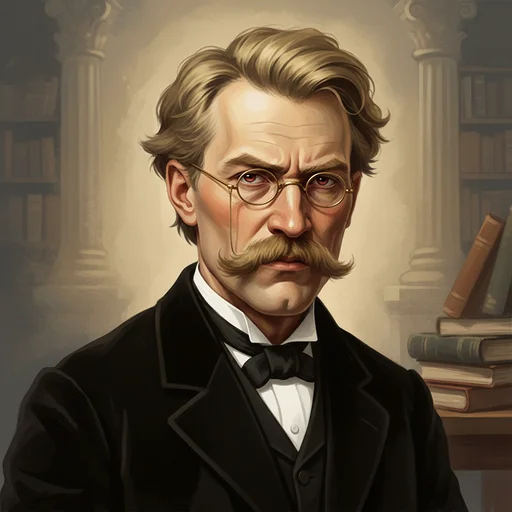
1844 yılında Röcken'de Protestan bir ailenin çocuğu olarak doğdu. Küçük yaşta babasını kaybetti ve kadınların ağırlıkta olduğu bir evde büyüdü. Parlak zekasıyla çok genç yaşta Basel Üniversitesi'nde filoloji profesörü oldu. Yaşamı boyunca ağır fiziksel hastalıklar, migren krizleri ve yalnızlıkla boğuşmasına rağmen, felsefe tarihinin en sarsıcı, yaşamı olumlayan eserlerini kaleme aldı. Geleneksel ahlakı, dini ve Batı rasyonalizmini hastalıklı bularak reddetti. Nihilizm krizini öngördü ve bunu aşmak için 'Güç İstemi', 'Üstinsan' ve 'Ebedi Dönüş' kavramlarını formüle etti. 1889'da zihinsel bir çöküş yaşadı ve hayatının son 11 yılını sessizlik içinde geçirdi.
Lutherci bir papazın oğludur; dine sarsılmaz inancı erken yaşta okuduğu felsefi ve filolojik eserlerle çökmüştür. Gençliğinde Schopenhauer felsefesinden ve Wagner müziğinden edindiği coşkuyu, yıllar içinde ağır hastalıkların ve Wagner'in ideolojik sapmalarının yarattığı hayal kırıklıklarıyla dönüştürerek kendi bağımsız felsefesini inşa etmiştir.
Metinde miyop olduğu ve sürekli acı çektiği, fiziken zayıf düşmesine rağmen düşünsel bir canavar (blonde bestie) kadar yırtıcı bir üsluba sahip olduğu belirtilmektedir. Gözleri hassas, sürekli baş ağrılarıyla boğuşan yalnız bir seyyah görünümündedir.
Sokrates
Yok ettiği trajik çağın katili olarak gördüğü gizli takıntı.
Zerdüşt
Kendi uçurumunun ve en yüksek ideallerinin sesi.
Richard Wagner
Sanatsal kurtuluş umudundan entelektüel ihanete dönen bir trajedi.
Arthur Schopenhauer
Reddedilerek aşılan kötümser eğitmen.