

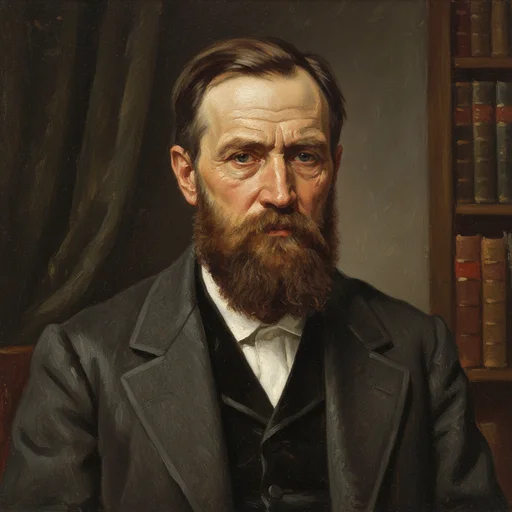
Fjodor Michailowitsch Dostojewski wurde 1821 in Moskau geboren, im Dienstflügel des Marienkrankenhauses für die Armen, wo sein Vater als Arzt tätig war. Er wuchs als eines von sieben Kindern in einem Haus auf, in dem Strenge herrschte. 1837 starb die Mutter an der Schwindsucht; im Jahr darauf trat er in die Militäringenieurschule in Petersburg ein. 1839 starb der Vater. Er schloss die Ausbildung zum Ingenieur ab, quittierte aber bald den Dienst, um von der Feder zu leben. Seine erste Veröffentlichung war eine Übersetzung von Balzacs Eugénie Grandet. Arme Leute, 1846 erschienen, brachte ihm das Lob des Kritikers Belinski und über Nacht einen Namen. Der Aufstieg währte kurz: 1849 wurde er verhaftet, weil er dem Petraschewski-Kreis angehörte, in dem verbotene Schriften vorgelesen wurden. Im Dezember führte man ihn zur Erschießung auf den Platz; im letzten Augenblick wurde die Hinrichtung durch einen verlesenen Erlass gestoppt. Vier Jahre verbrachte er im Zuchthaus von Omsk; dort begannen auch die epileptischen Anfälle. 1859 kehrte er nach Petersburg zurück und gab mit seinem älteren Bruder Michail Zeitschriften heraus. 1864 verlor er seine Frau und wenige Monate später Michail; Schulden und die Spielleidenschaft verfolgten ihn jahrelang. Um einen Vertrag einzuhalten, diktierte er Der Spieler in sechsundzwanzig Tagen; die Stenografin Anna Snitkina, die den Text aufnahm, wurde im Jahr darauf seine Frau. In Schuld und Sühne, Der Idiot, Böse Geister und Die Brüder Karamasow prüfte er, wie weit ein Gedanke einen Menschen tragen kann, und überließ den Streit seinen Figuren: Wer eine Idee verteidigt und wer sie widerlegt, spricht im Roman mit gleicher Kraft. Seine Rede zur Enthüllung des Puschkin-Denkmals in Moskau 1880 fand weiten Widerhall. Am 9. Februar 1881 starb er in Petersburg; eine gewaltige Menge folgte seinem Sarg.
Russland in den 1870er Jahren, ein Mann mittleren Alters mit einem müden, tief gefurchten Gesicht, dichtem Bart, bekleidet mit einem dunklen, schweren Gehrock aus Wolle.