

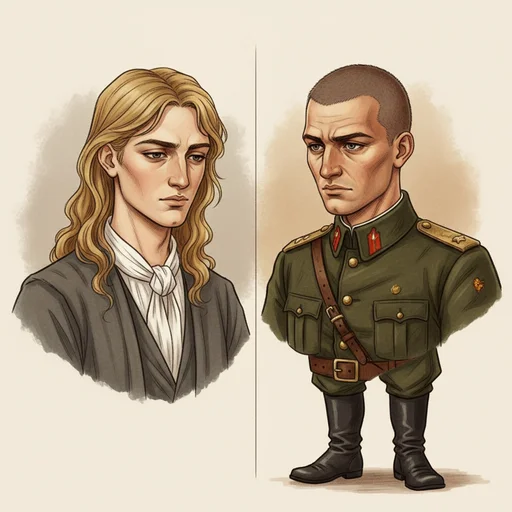
Naim Efendi'nin yeğeni olan Hakkı Celis, romanın başında silik, içine kapanık, Baudelaire ve Verlaine hayranı romantik bir şair çocuktur. Seniha'ya platonik ve marazi bir aşkla bağlıdır. Ancak Seniha'nın Avrupa'ya kaçışı, Faik'le olan bayağı macerası ve genel ahlaki çöküş, Hakkı Celis'i derin bir hayal kırıklığına uğratır. Bu buhranlardan çıkarak yavaş yavaş şiiri, bireysel duyguları ve hastalıklı aşkı bir kenara bırakır. Çanakkale Savaşı'nın patlak vermesiyle birlikte vatan millet sevgisini keşfeder, bireysel acılarının yerini toplumun acıları alır. Giderek dirayetli bir askere dönüşür ve bireysel 'ölüm' fikrini vatan uğruna yüce bir 'şehitlik' inancına evirir.
Naim Efendi'nin ablası Selma Hanımefendi'nin torunudur. Küçüklüğünden beri Seniha ile birlikte büyümüş, ancak yaş aldıkça Batı edebiyatına (Fransız şiirine) odaklanarak kendi iç dünyasına çekilmiştir.
Başlarda solgun benizli, kumral/sarışın, ince ve uzun saçlı zayıf bir çocuk. Şairane, sönük bir kıyafeti vardır. Ancak askere yazıldıktan sonra saçları kesilmiş, teni bronzlaşarak Tatar siması almış, üniforması ve çivili çizmeleri içinde sert çehreli bir delikanlı hüviyetine bürünmüştür.
Seniha
Ona bir mabut gibi taptığı ilk evrenin ardından onun bayağılığını görerek hissi bir kopuş yaşar ve tiksinir.
Faik Bey
Rakibi olmasına ve nefret etmesine rağmen, kitabın sonlarına doğru Faik Bey'in çökmüş haline tuhaf bir acımayla bakar.
Naim Efendi
Dedesine (büyük dayısına) benzemeyeceğini bilse de, onun sefaletini ve asaletini en iyi anlayan kişi olur; şefkat gösterir.