

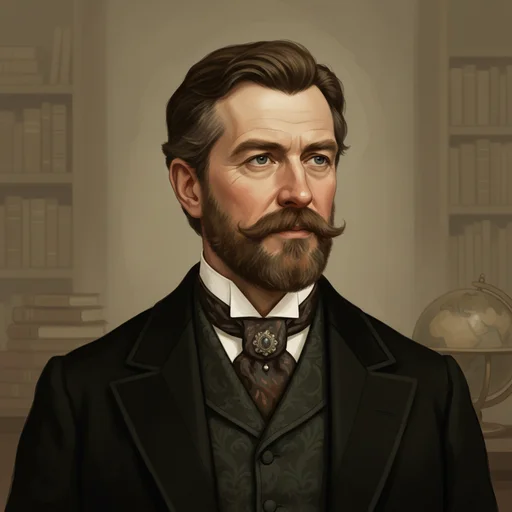
Arthur Conan Doyle 22 Mayıs 1859'da Edinburgh'da, İrlanda kökenli Katolik bir ailenin çocuğu olarak doğdu. Babası Charles Altamont Doyle yetenekli bir ressamdı; içkiye ve hastalığa yenilip işini kaybetti, son yıllarını akıl hastanelerinde geçirdi. Evi ayakta tutan, anlattığı hikâyelerle oğlunun hayal gücünü besleyen annesi Mary Foley oldu. Doyle çocukluğunun yedi yılını Lancashire'daki Cizvit yatılı okullarında, bir yılını da Avusturya'da geçirdi. 1876'da Edinburgh Üniversitesi'nde tıp okumaya başladı. Öğrenciyken bir Kutup balina gemisinde ve Batı Afrika'ya giden bir vapurda gemi doktoru olarak çalıştı. 1882'de Southsea'de kendi muayenehanesini açtı; hasta beklerken geçen uzun saatleri yazarak doldurdu. Hastanın geçmişini tek bakışta okuyan cerrahi hocası Joseph Bell'in yönteminden yola çıkarak Sherlock Holmes'u yarattı ve 1887'de Kızıl Dosya'yı yayımladı. Asıl çıkışını 1891'de The Strand dergisinde çıkmaya başlayan öyküler yaptı; Sherlock Holmes'un Maceraları bu öykülerden derlendi. Dedektifi kendisine gölge etmeye başlayınca 1893'te onu Reichenbach Şelalesi'nde öldürdü, okur baskısına dayanamayıp Baskerville'lerin Köpeği ile geri getirdi. Tarihî romanlar da yazdı, Kayıp Dünya ile bilimkurguya uzandı; Boer Savaşı'nda Britanya'yı savunan yazısının ardından 1902'de şövalye ilan edildi. Haksız yere mahkûm edilen George Edalji'nin aklanması için yürüttüğü kampanya İngiltere'de ceza temyiz mahkemesinin kurulmasına katkıda bulundu. Yalın, hızlı ve ayrıntıya güvenen anlatımıyla polisiyeye akıl yürütmeyi merkeze alan kalıcı bir biçim kazandırdı. Birinci Dünya Savaşı'nın sonunda oğlunu ve kardeşini kaybetti; yıllardır ilgi duyduğu ruhçuluğu yaymaya kalan ömrünü adadı. 7 Temmuz 1930'da Crowborough'daki evinde öldü.
Late 19th/early 20th century, England, Victorian-Edwardian formal wear, prominent mustache, middle-aged.