

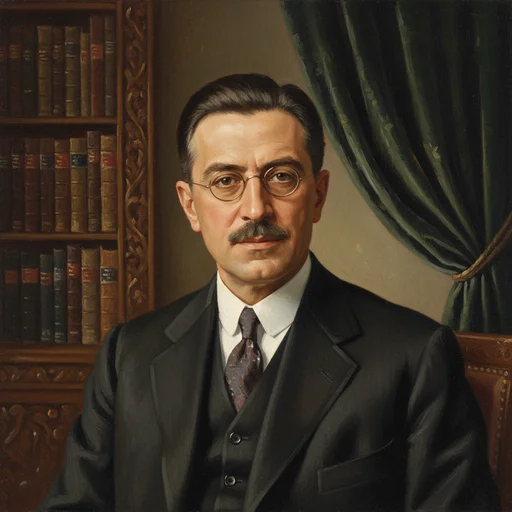
Yakup Kadri Karaosmanoğlu 27 Mart 1889'da Kahire'de doğdu. Babası, Manisa'nın köklü ailelerinden Karaosmanzadelere mensup Abdülkadir Bey, annesi İkbal Hanım'dı. Altı yaşındayken aile Manisa'ya yerleşti; ilköğrenimini orada, ortaöğrenimini İzmir İdadisi'nde gördü. Babasının ölümünden sonra Mısır'a dönerek öğrenimini İskenderiye'deki Fransız okulunda tamamladı. 1908'de İstanbul'a geldi, hukuk öğrenimine başladıysa da bitirmedi. Ertesi yıl kurulan Fecr-i Âti topluluğunun kurucuları arasında yer aldı; ilk yazıları bu çevrenin dergilerinde çıktı. Verem tedavisi için üç yıl İsviçre'de kaldı. Dönüşünde İkdam gazetesinde yazdı ve imparatorluğun çöküşünü bir konağın üç kuşağı üzerinden anlatan Kiralık Konak'ı yayımladı; mensur şiirlerini de Erenlerin Bağından'da topladı. 1921'de Tetkik-i Mezalim Heyeti'yle Batı Anadolu'yu dolaşıp savaşın yıktığı köyleri gördü; bu yolculuk yazarlığının yönünü değiştirdi. Cumhuriyet'ten sonra Mardin ve Manisa milletvekilliği yaptı, 1932'de Kadro dergisinin kurucuları arasına katıldı. Aydınla köylü arasındaki uçurumu anlatan Yaban ile yeni başkentin doğuşunu izleyen Ankara bu yıllarda çıktı. 1934'ten sonra Tiran, Prag, Lahey, Bern ve Tahran'da elçilik görevlerinde bulundu. Süslü söyleyişten uzak, gözleme dayanan bir dili vardı; romanı toplumsal çözümlemenin aracı saydı ve Türk romanına tarihsel bir omurga kazandırdı. Panorama'da imparatorluktan cumhuriyete geçen kuşakların bilançosunu çıkardı, anılarında kendi çelişkilerini de yazdı. 1961'de yeniden meclise girdi, 1965'te siyaseti bıraktı. 13 Aralık 1974'te Ankara'da öldü ve Beşiktaş'taki Yahya Efendi Mezarlığı'na gömüldü.
Early 20th century, Turkey, formal suit, round spectacles, thin mustache, intellectual aura.