

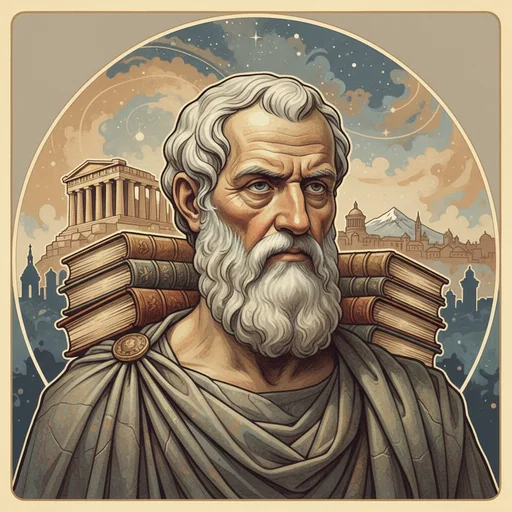
Er wurde um 427 v. Chr. in Athen geboren, in einer der ältesten Familien der Stadt. Das Geschlecht seines Vaters Ariston führte man der Sage nach auf Poseidon zurück, das seiner Mutter Periktione auf den Gesetzgeber Solon. Sein eigentlicher Name soll Aristokles gewesen sein; Platon habe man ihn seiner breiten Schultern wegen genannt. Den Vater verlor er früh; als die Mutter ihren Onkel Pyrilampes heiratete, verbrachte er die Kindheit in jenem Haus. Er erhielt vollständig die Erziehung in Dichtung, Rhetorik und Gymnastik, die man von einem athenischen Adligen erwartete. Die Leidenschaft seiner Jugend war die Politik. Was seine Verwandten Kritias und Charmides unter der Herrschaft der Dreißig taten, und dann das Todesurteil, das die wiederhergestellte Demokratie 399 v. Chr. über Sokrates verhängte, brachten ihn endgültig von diesem Weg ab. Den Prozess des Lehrers, dem er jahrelang gefolgt war, hielt er in der Apologie des Sokrates fest; der Text ist Zeugnis und zugleich eine Rechnung, die er der Stadt aufmacht. Nach dem Tod des Sokrates blieb er lange von Athen fern; er ging nach Megara, nach Süditalien, nach Sizilien und, manchen Berichten zufolge, nach Ägypten, und lernte die Pythagoreer sowie Archytas von Tarent kennen. Mit etwa vierzig kehrte er zurück und gründete im Hain des Akademos vor der Stadt seine eigene Schule, die Akademie. Im Glauben, die Philosophie könne die Herrschaft zurechtrücken, reiste er dreimal nach Syrakus; der Versuch, den jungen Tyrannen Dionysios II. zu erziehen, endete in Misstrauen und Hausarrest. Sein Denken legte er nicht in Abhandlungen nieder, sondern ließ es durch sprechende Menschen entstehen. Im Staat wird die Frage, was Gerechtigkeit sei, nicht mit einer fertigen Definition erledigt: Man sucht sie in einem Gespräch, das durch Fragen vorankommt, und der Leser verfolgt nicht das Ergebnis, sondern das Denken selbst. Er starb 348/347 v. Chr. in Athen; die von ihm gegründete Akademie blieb jahrhundertelang geöffnet.
Nach dem Tod des Sokrates veränderte er den Kurs der Philosophie dauerhaft, indem er eine metaphysische Struktur aus ewigen und vollkommenen Formen schuf, um die Ungerechtigkeit der Welt und das Chaos des Werdens zu kaschieren.
Eine archaische philosophische Figur, die das westliche Denken auf ihren Schultern trägt.
Sokrates
Sein idealisierter Lehrmeister, der die geistigen Saatkörner säte.
Friedrich Nietzsche
Der Architekt des Denkens, das Nietzsche zufolge überwunden werden muss und das er unsere 'größte Lüge' nennt.