

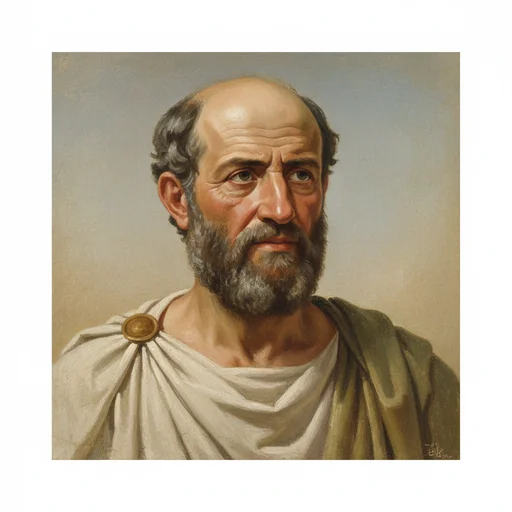
Рассказчик и главный мыслитель диалога «Государство». Сократ, приглашенный (и в шутку задержанный) Полемархом по пути с религиозного праздника к нему в дом, на протяжении всей ночи ведет с городскими интеллектуалами, поэтами и софистами величайший в истории философский диспут о понятии справедливости. Опровергая любые тезисы силой своего острого ума, он спасает философию от досужих спекуляций и ставит ее на нравственный и онтологический фундамент (идею Блага). Проводя параллель между «Государством» и «Душой», он выстраивает равновесие между философией (мудростью), военной силой (мужеством) и созиданием (рассудительностью), определяя справедливость как совершенное исполнение каждой частью своего дела. Концепция философа-правителя и миф о пещере становятся вершиной этого пути разума и просвещения.
Хотя Сократ и происходил из непривилегированных слоев Афин, его философский гений сделал его центральной фигурой в интеллектуальных кругах полиса. То обстоятельство, что впоследствии он будет казнен афинским государством по обвинению в развращении молодежи и неверии в богов, звучит для читателя горьким фоном к его утверждениям о том, что «в порочном государстве нет места философу» и «если государство не сделает философа правителем, оно готовит собственную гибель».
Хотя в тексте нет подробного описания его внешности, античные свидетельства и аллюзии рисуют его пожилым мудрецом в скромном одеянии, лысым и курносым, сосредоточенным на совершенствовании духа, а не на телесных удовольствиях.
Glaukon
Его любимый собеседник и единомышленник; вдохновляет его, выдвигая новые идеи.
Adeimantos
Ценный ориентир в споре, который благодаря своим практическим вопросам помогает перевести дискуссию в русло социологии и воспитания.
Thrasymakhos
Циничный софист, чью браваду силой он не принимает всерьез, мастерски сокрушая его аргументы.