
Author · 1 works
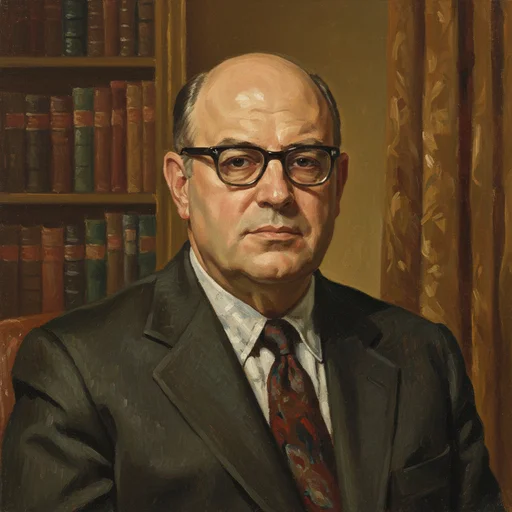
Mario Puzo was born on 15 October 1920 in Hell's Kitchen, New York, the child of an Italian family that had emigrated from Avellino. His father worked as a railroad trackman; when Puzo was twelve, he was committed to a hospital with a diagnosis of schizophrenia. His mother, Maria, raised seven children alone. Puzo spent his childhood in that poor immigrant neighbourhood, taking refuge in reading.
He served in Germany with the United States Army Air Forces during the Second World War, and afterwards studied at the City College of New York. His first story appeared in 1950. The Dark Arena (1955), set in postwar Germany, and The Fortunate Pilgrim (1964), drawn from his mother's immigrant life, earned good reviews but almost no readers. He made his living writing stories for men's magazines under a pen name.
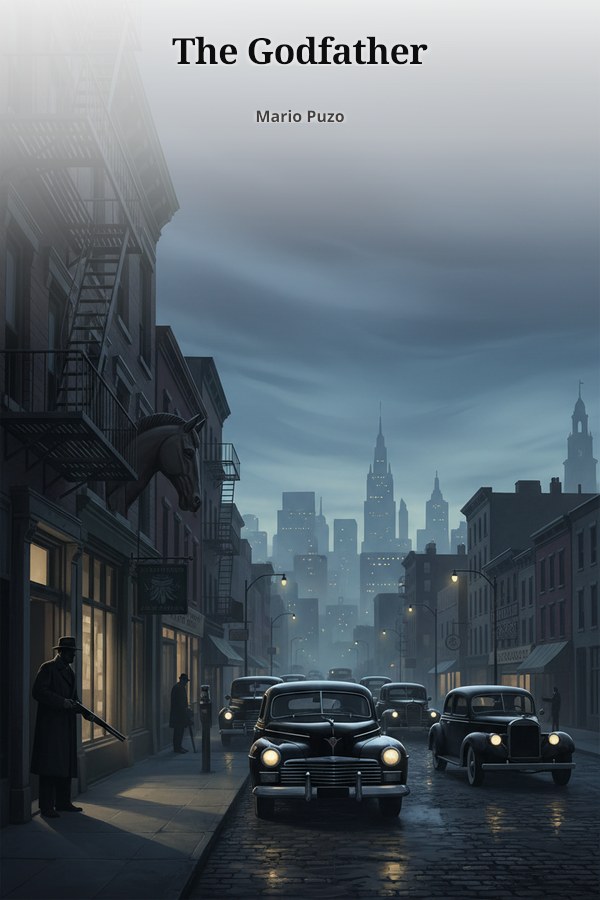
At forty-five, with five children and deep in debt, it was time, as he put it, to grow up and sell out. The Godfather appeared in 1969, sold more than nine million copies in two years and stayed sixty-seven weeks on the bestseller lists. The first two film adaptations, written with Francis Ford Coppola, brought him two Academy Awards; he also wrote the screenplay for Superman.
Puzo liked to say that he had never met a real mafia boss. By building the criminal organisation as a family, an order of loyalty and debt, he changed the way American popular fiction looked at crime. He said his own favourite book was The Fortunate Pilgrim, and that it saddened him to see it overshadowed by The Godfather. After The Sicilian and The Last Don, he died of heart failure at his home on Long Island on 2 July 1999.
Puzo wrote in postwar America, in the years when the children of immigrants began telling their own stories and ethnic identity gained visibility in literature. In the 1960s congressional hearings brought the mafia into public view for the first time. The line between serious literature and the bestseller was hardening; Puzo worked on the border of the two worlds, at the centre of the argument over whether commercial success corrupts a writer. In those years Hollywood turned novels straight into screenplays, and book and film fed each other.