
—
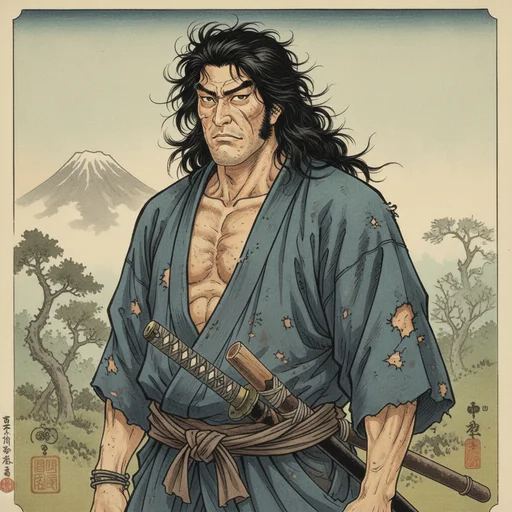
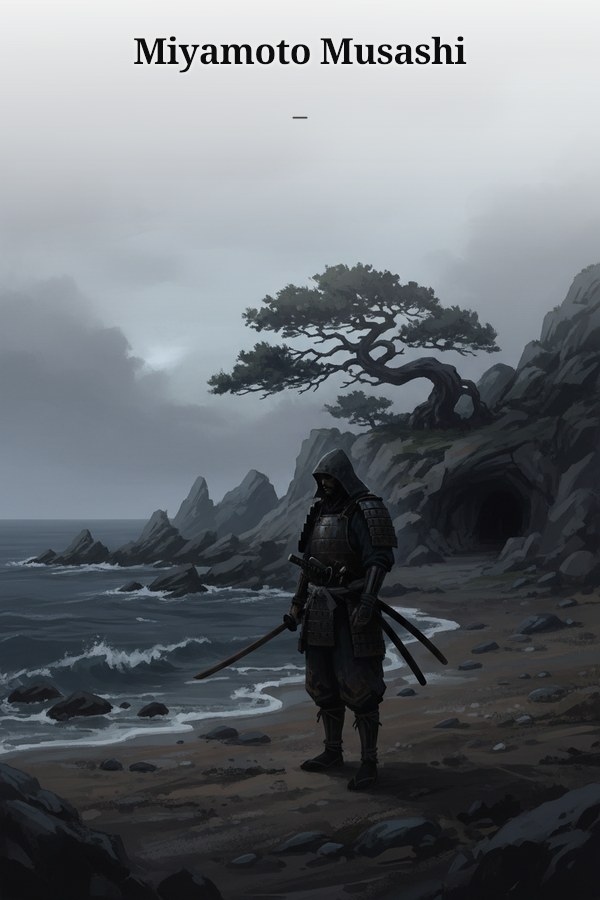
Miyamoto Musashi'nin hayatı, yenilgisiz bir kılıç ustası, filozof ve stratejist olarak Japon tarihinin en büyük savaşçılarından biri olma yolculuğudur. Gençliğinde asi ve vahşi bir savaşçı olan Musashi, 'musha shugyo' (savaşçı hacılığı) denen bir yola çıkar. Ülke çapında dolaşarak altmıştan fazla ölümcül düelloya girer ve hiçbirini kaybetmez. Bu süreçte sadece fiziksel güce değil, ruhsal bir aydınlanmaya ve stratejik bir dehayla kılıç yoluna (Kenjutsu) odaklanır. İki kılıç kullandığı Niten Ichi-ryu stilini geliştirerek geleneksel savaş sanatlarına meydan okur. Yoshioka kılıç okuluyla tek başına yüzleşmesi ve efsanevi rakibi Sasaki Kojiro ile Ganryujima adasında yaptığı dövüş, onun efsanesinin zirvesini oluşturur. Hayatının son yıllarında Reigando mağarasına çekilerek savaş sanatları ve felsefe üzerine başyapıtı olan 'Beş Halka'nın Kitabı'nı yazar. Bu tarihî anlatı, Musashi'nin salt ölümcül bir savaşçıdan bilge bir filozofa dönüşümünü derin bir içgörüyle aktarır.
The conflict between Musashi's inner savagery, survival instinct, and egoism versus his spiritual enlightenment (Zen); the transformation of the struggle to be physically the strongest into a quest to understand ultimate truth.
Feodal Japonya. Issız dağ yolları, eski tapınaklar, çamurlu savaş alanları (Sekigahara), feodal kaleler ve rüzgarlı adalar.
Geç Sengoku ve Erken Edo Dönemi (17. yüzyıl başları).
Full of violence, meditative, where the thin line between life and death is felt at every moment, focused on honor and spiritual search, tense and possessing a profound silence.
Philosophical, didactic, impartial, deadly serious and full of insight; a direct narrative stripped of unnecessary embellishments.
The way of the sword is ruthless; a moment of distraction or succumbing to hubris means instant death. Strategy lies beyond physical strength and traditional forms; mind control and adapting to the environment are the keys to victory. Mastery requires becoming one with nature, opponents, and ultimately 'The Void' (Nothingness). Blind adherence to rules or formalism under the guise of honor is a weakness on the battlefield.
The transition phase from the constant warfare of the Sengoku period to the peaceful Edo period under the Tokugawa shogunate. An era where the samurai class began to become bureaucratized, and tens of thousands of masterless samurai (ronin) looked for work or traveled across the country to prove their sword paths. The blending of Zen Buddhism with the warrior culture (Bushido).
Characters are arranged at equal intervals on a circle; you can read the relationship type and dynamics by clicking on the lines.
Bir çizgiye tıklayarak ilişki detayını açın.
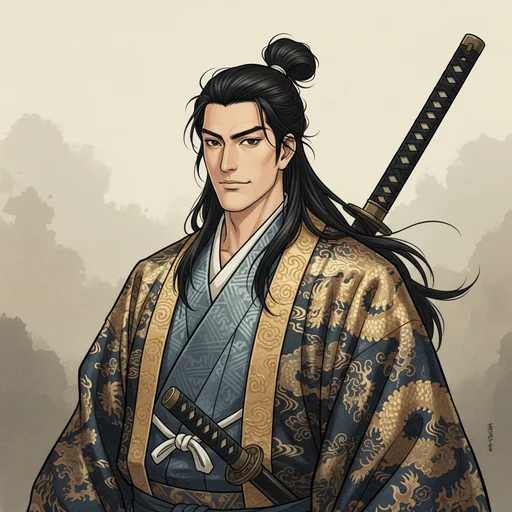
Both masters are at the pinnacle of swordsmanship, but their approaches are diametrically opposed. While Kojiro represents grace, flawless technique, and an aristocratic stance; Musashi represents naturalness, strategy, formlessness, and savagery. They feel both deep respect and a lethal desire to kill one another.
Musashi's intentional late arrival to the morning duel on Ganryujima Island to psychologically wear down his opponent, and defeating Kojiro with a wooden oar.
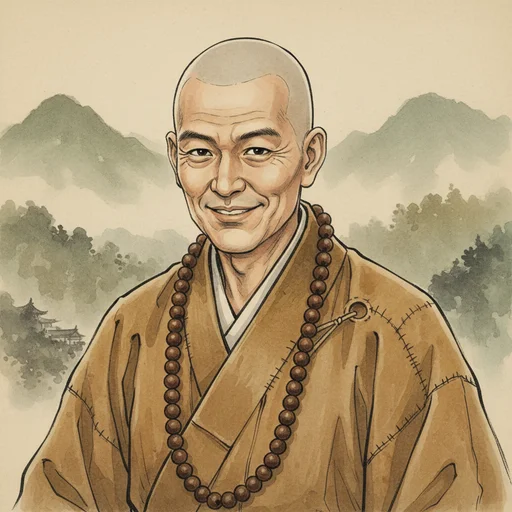
Takuan shows young Musashi, who lives like a wild animal, what it means to be human and the meaning of spiritual discipline. Although Musashi hates him, he secretly admires his intelligence and unshakable mind. Takuan instills the idea that the sword should be a tool not just for killing, but for refining one's soul.
Takuan's ability to keep smiling even when facing death, and the fact that Musashi's sword cannot reach his soul.
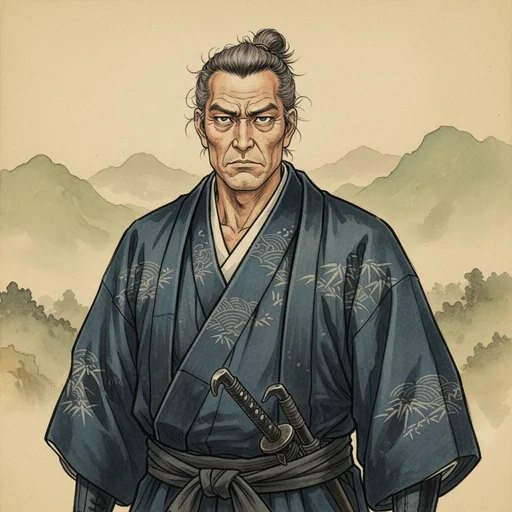
Munisai is an extremely strict, arrogant, and violent master. He crushed Musashi physically and psychologically, leaving deep wounds. Musashi's obsession with power and his desire to never be defeated are born from the need to overcome his father's massive shadow and prove himself against the anger he feels toward him.
Musashi being repeatedly thrown and beaten by his father in his childhood, leading to his decision to run away from home and forge his own path.
Seijuro is at the head of Japan's most established and prestigious sword school; he has money, status, and talent. Musashi, on the other hand, is a status-less, dirty, and hungry ronin. For Musashi, defeating Seijuro means proving the collapse of the institutionalized and hollow traditional system.
Musashi shattering Seijuro's arrogance and rituals with a single brutal bokken strike during the duel on the plains of Rendaiji.
Denshichiro challenges Musashi to restore honor after his older brother's defeat. It is a clash between Denshichiro, who believes in brute force over strategy, and Musashi, who adopts pure strategy. Musashi sees this fight as a formality, while Denshichiro sees it as an existential issue.
Musashi disarming and killing Denshichiro within seconds during the snowy duel outside the Sanjusangendo temple.
Magonojo is the quiet, loyal, and most insightful student of the elderly and wise Musashi. He is one of the rare individuals capable of perceiving the serenity and philosophical depth within Musashi. The relationship between the two is a transfer of pure wisdom, devoid of violence.
Musashi entrusting The Book of Five Rings, which he wrote shortly before his death in Reigando Cave, directly to Magonojo.
Seijuro is a carefree, pleasure-seeking, and talented heir, while Denshichiro is rigid, serious, and ambitious. Although Denshichiro finds his brother's leadership inadequate, he remains strictly bound to the family honor. Even though they do not understand each other, the Yoshioka surname they bear binds them together until death.
Denshichiro taking over the school knowing he is walking toward his own death, unable to accept his brother Seijuro's humiliating defeat.
Lord Tadatoshi holds a deep respect for Musashi's legendary past and wisdom. He treats him not as an ordinary soldier, but as an honorable philosopher and guest. In his final years, Musashi finds peace under Tadatoshi's patronage and gains the opportunity to systematize his teachings.
Tadatoshi hosting Musashi as a guest of honor at his castle in Kumamoto and providing him with a private stipend.