

The Tale of Genji — 7 karakter
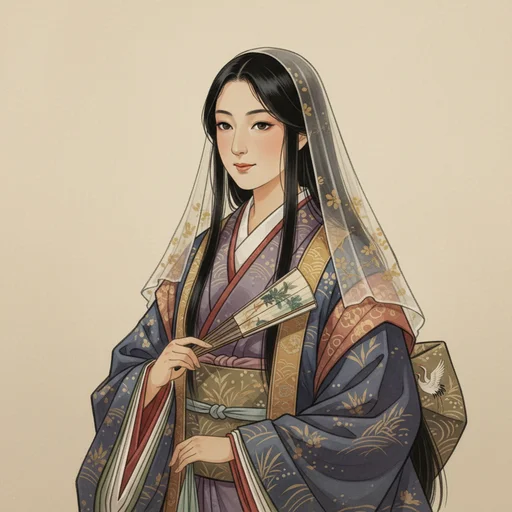
Akashi no Kimi
She is the woman Genji met during the time he was exiled to the shores of Suma and Akashi. Her father is a retired governor and a religious man who has turned his back on the world. Her father educated Akashi no Kimi in a very refined and strict manner, as if she were an imperial princess, and was set on marrying her to a high-ranking nobleman. She becomes pregnant from her short but intense relationship with Genji. After Genji returns to the capital, he takes her with him; however, Akashi Kimi is intelligent and realistic enough to know that her provincial status will be a source of shame among the high-ranking women in the capital. To ensure the future of her own daughter, the Akashi Princess, she tearfully allows the high-ranking Murasaki to raise her as an adopted daughter. Thanks to this sacrifice, her daughter later becomes Empress. She herself eventually establishes her own respected place at court.
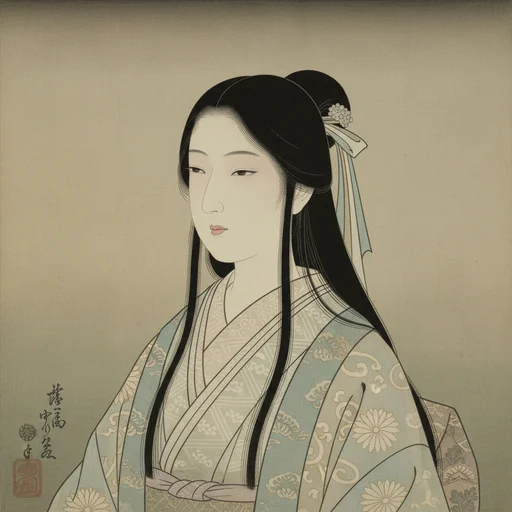
Lady Aoi
Aoi, the daughter of the Minister of the Left, is the first official wife chosen for Genji while he was still a child. As a noble, proud, and traditional woman, she feels a hidden dissatisfaction at being given to the demoted Genji when her primary expectation was to marry the future Emperor. The age difference between them (Aoi is older) and Aoi's flawless coldness drive Genji away from her and into countless affairs. These affairs wound Aoi's pride and cause her to reject her husband even more. However, years after their marriage, Aoi becomes pregnant. Just as the ice between them begins to melt and Genji starts to realize her true worth, the liberated spirit (ikiryo) of Genji's jealous former lover, Lady Rokujo, begins to haunt Aoi. Shortly after giving birth to her child, she loses her life as a result of this supernatural attack.
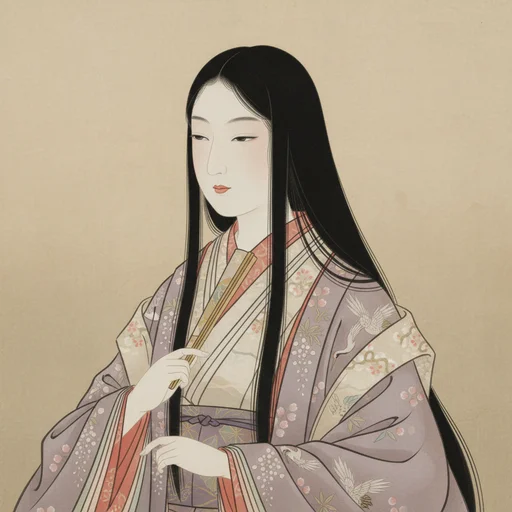
Fujitsubo
She is a new consort taken into the palace by the Kiritsubo Emperor. She resembles Genji's late mother so much that the Emperor brought her there solely for this resemblance. She is only a few years older than Genji, and when Genji reaches adolescence, he begins to harbor a forbidden passion for her. Although Fujitsubo initially builds a great wall against these feelings, in a weak moment, she is with Genji and gives birth to Reizei, who will be the future emperor. The remorse of this event and the danger of it being revealed in the palace become a chain she carries around her neck for the rest of her life. After the Emperor dies, her political security diminishes, and Fujitsubo retreats from worldly life to become a nun to pay penance for her sins and protect her secret. She is the unattainable ideal woman of the work and one of its greatest tragedies.
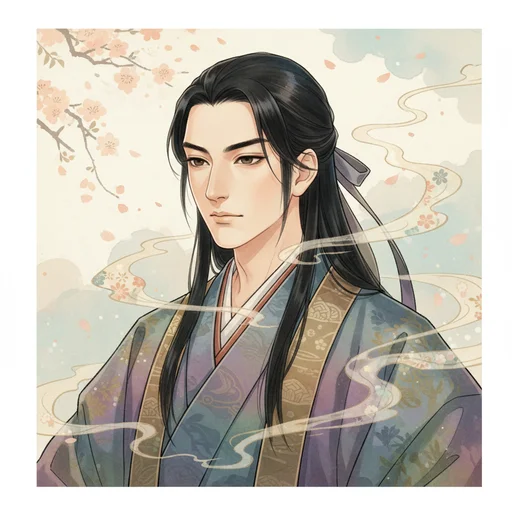
Hikaru Genji
Nicknamed the 'Shining Prince,' Genji is the son of the Emperor and Kiritsubo, but his mother dies when he is very young, unable to endure the jealousy of other ladies in the palace. Lowered to the common class due to his mother's low rank, Genji charms everyone with his unique beauty and extraordinary artistic talents. Throughout his life, he searches for the perfect woman to fill the void of his mother in his heart; this quest leads him to his father's consort, Fujitsubo, and subsequently to her niece, Murasaki. His romantic victories and unending desires bring not only sorrow and tragedy to himself but also to the women who enter his life. Although he rises to the most powerful position in the palace after passing through political exiles, he never finds true spiritual peace. As he ages, he faces the karmic consequences of the pain he has caused and experiences the concept of 'mono no aware' in its deepest form.
Murasaki no Ue
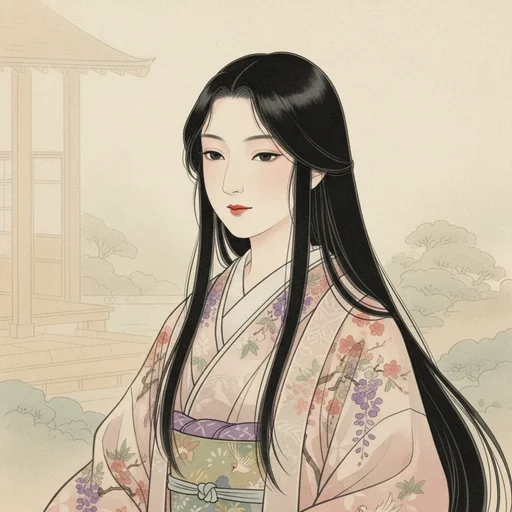
Murasaki is Fujitsubo's niece and is discovered by Genji at age ten while being raised in isolation in the mountains by her grandmother, a nun. Seeing her as a reflection of the unattainable Fujitsubo, Genji secretly abducts her to his palace and trains her to be the perfect, ideal wife. Although she initially views Genji as a father figure, she becomes his favorite consort as she enters adulthood. Murasaki's life looks perfect from the outside; she wins everyone's admiration with her intelligence, calligraphy, and elegance. However, in her inner world, she experiences great pain and insecurity due to Genji's countless romantic adventures and because her rank is not enough for her to formally be the 'Chief Consort.' She masks her emotions with perfect aristocratic courtesy. Genji taking the Third Princess (Onna San no Miya) as his principal wife in his later years drives Murasaki to a mental collapse and, eventually, an early death.
Rokujo no Miyasudokoro
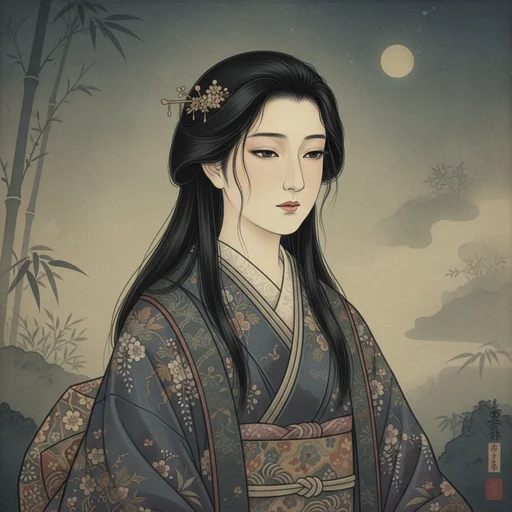
She is the widow of the late Crown Prince. Had her husband lived, she would have been Empress; following his death, she has fallen into a respected but marginalized position at court. While she was a widow known for her high education, grace, and pride, she succumbed to the persistent flattery of Genji, who was younger than her. However, as Genji's interest waned over time, Rokujo's pride suffered a heavy blow. The unfortunate carriage confrontation with Aoi, in which she was humiliated in public, was the final straw. Without Rokujo's conscious knowledge, her deep sorrow and jealousy manifested as an 'ikiryo' (living ghost), which killed Aoi. Rokujo is horrified when she realizes her own spirit committed these terrible acts. To escape this curse and the love that destroyed her pride, she leaves the capital with her daughter to take refuge at the Ise Shrine.
To no Chujo
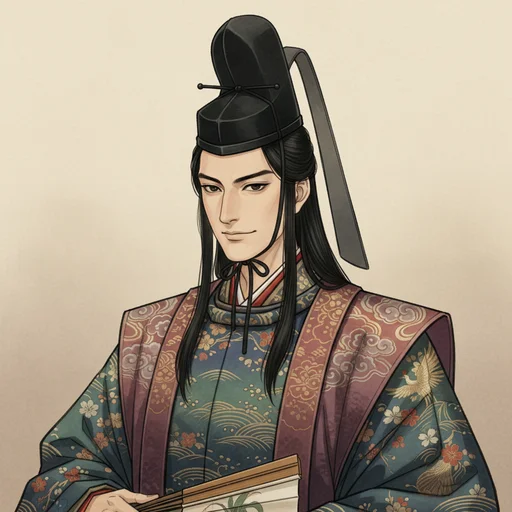
He is Aoi's older brother and the son of the Minister of the Left. He is Genji's closest friend, confidant, brother-in-law, and lifelong rival in both politics and love. He is very handsome, cheerful, and talented; had Genji not existed, he would have been the undisputed greatest star of the court. During his youth, as the commander of the palace guards, he embarked on romantic adventures with Genji. One of his most famous scenes is the 'rainy night conversation' where he and his friends discuss the qualities of women. When Genji was exiled, he was loyal enough to risk his own career to visit him in Suma. Although they drift apart from time to time during political fluctuations, they remain indispensable friends to each other until the end of their lives.