

The Awakening — 9 karakter
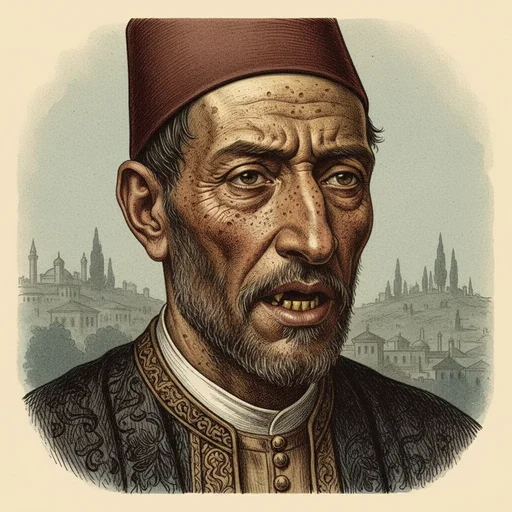
Abdullah Efendi
A Syrian (as he is often referred to), over 70 years old, wealthy but boorish and vile-natured merchant. He acquired a massive fortune through trade with Egypt and Syria. He uses his wealth to hide his hybrid and ghastly physical appearance and to purchase young beauties. He has been Mehpeyker’s primary patron for years, dominating her as if she were his slave. Upon learning of the relationship between Ali Bey and Mehpeyker, he devises a horrific revenge plot to save his own ego and satisfy his inferiority complex. Although he is the chief devil who ordered the murder, as the plans go awry and Ali Bey loses his mind, he suffers a fatal stroke out of fear.
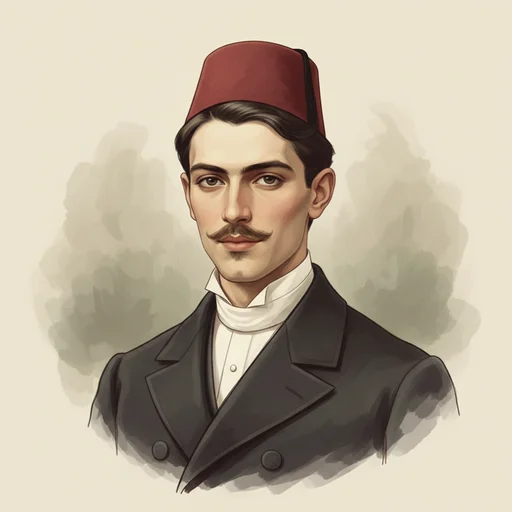
Ali Bey
Ali Bey es el hijo único de una familia adinerada, educada y de élite. Hasta los veintiún o veintidós años, fue criado en completo aislamiento del mundo exterior, recibiendo una educación impecable bajo el excesivo afecto y sobreprotección de su padre. La muerte de su padre le genera una profunda melancolía, y su corazón inexperto es engañado por Mehpeyker durante un paseo por Çamlıca, instado por su madre. Este apasionado primer amor lo aleja de la lógica hacia la bebida, el libertinaje y una terrible caída. No logra ver el amor de la inocente Dilaşub —traída a casa por su madre para salvarlo— debido a las calumnias de Mehpeyker. Cegado por los celos y la rabia, termina causando la destrucción de aquellos a quienes más valoraba. La tristeza en la que se sume al ver el cadáver de Dilaşub a sus propios pies es su lección final de humanidad antes de su muerte.

Atıf Bey
A loyal friend who is the same age as Ali Bey and stands closest to him. He is well-versed in the rules of Istanbul’s nightlife and indulgence, a rational and easygoing young man. When he becomes aware of the whirlpool Ali Bey has fallen into, he offers friendly advice and tries to steer him away from this disgraceful and dangerous path, but to no avail. Even when Ali Bey distances himself and goes into hiding toward the end, he tries to reach him through letters and provide financial assistance. In the final moment, he is forced to leave his friend in the arms of destruction due to Ali Bey's astounding lack of willpower.

Dilaşub
A beautiful 16-18-year-old concubine bought from the slave market by Fatma Hanım for the purpose of saving Ali Bey from the clutches of Mehpeyker. She brings light to the mansion with her purity, innocence, and dignity befitting a lady. She becomes attached to Ali Bey silently but with deep passion. However, since Ali Bey is obsessed with Mehpeyker, he ignores her. Furthermore, when she falls victim to Mehpeyker's games and is falsely accused, she is unjustly cast out of the house. Having ended up in Mehpeyker's hands again due to another scheme in the slave market, Dilaşub is subjected to unimaginable torment and insults, yet she refuses to compromise her honor despite diabolical blackmail. Ultimately, volunteering to be a sacrifice for her great love, she takes Ali Bey's place in the dark hut and dies while shielding him from the daggers of Hırvat.
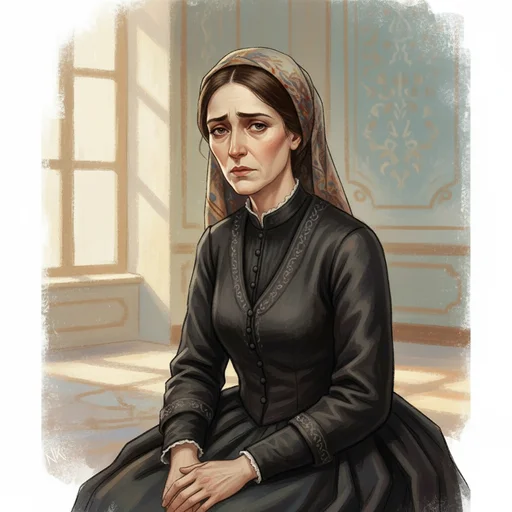
Fatma Hanım
La afectuosa pero anciana madre de Ali Bey, cuya vida gira enteramente en torno a su hijo. Tras la muerte de su marido después de 25 años de un buen matrimonio, ha depositado todas sus esperanzas en el ascenso de Ali. A lo largo de la novela, lucha impotente por evitar la decadencia moral y física de su hijo únicamente mediante oraciones y buenas intenciones. Su idea —nacida de la sabiduría tradicional— de «traer a una concubina hermosa a la casa para rescatarlo de una mala mujer» resulta contraproducente de forma horrible debido al estado de Ali Bey, envenenado por las intrigas de Mehpeyker. Su corazón se rompe al ver a su hijo a la deriva hacia una vida de libertinaje, abandonándola e ignorando sus deberes filiales. Consumida por una profunda tristeza, palpitaciones cardíacas y aflicción, cae en su lecho de muerte y fallece en absoluto aislamiento, tras haber perdido a su hijo en una oscuridad que él no pudo legitimar.
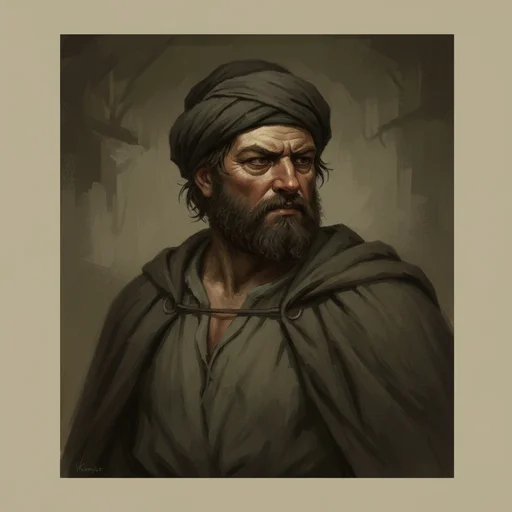
Hırvat
A dark man who works for Abdullah Efendi and acts as a hitman. As a servant of orders, he lacks a moral filter; he is ready to commit the most vile murders the moment he is paid. At the end of the novel, acting on Mehpeyker's orders, he takes the life of the innocent Dilaşub in the dark, thinking she is Ali Bey. Afterward, he is cornered by the public and police led by Ali Bey, and he perishes immediately upon capture due to the beating he receives.

Mehpeyker
An ambitious woman who was led into a life of infamy by her relatives at a very young age (13) and who plays wealthy men like puppets thanks to her beauty. She easily seduces the young and naive Ali Bey. While using him like a toy, she is forced to temporarily abandon him due to her extremely wealthy, old, and ugly lover, Abdullah Efendi. However, Ali Bey’s independence and insults turn her passion into a savage grudge. She envies Dilaşub and tears Ali Bey's family apart through various diabolical schemes. In the end, as she tries to trap and have Ali Bey killed, she ends up causing Dilaşub's death instead. In the finale, she pays the price for the very trap she set by losing her life to the knife of the deranged Ali Bey.
Mesut Efendi
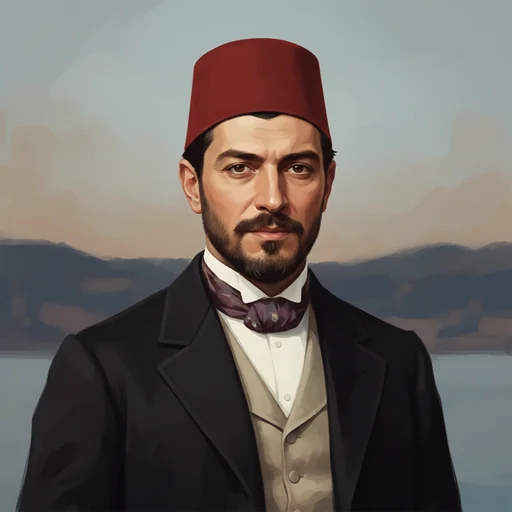
Atıf Bey’s experienced uncle who has seen much of the world. He is around 40 years old, an intelligent, resolute, dark-complexioned man. He initiates a pragmatic conflict in Çamlıca by making a remark at Mehpeyker's carriage to open Ali Bey's eyes and reveal the true nature of their relationship. He is a realistic person who does not mince words. When Ali Bey insults him, he shows no mercy and lets the situation take its course. He adds weight to the novel as a figure who does not cover up the bitter truths of life and is well-acquainted with the mechanics of gossip and scandals.
Namık Kemal
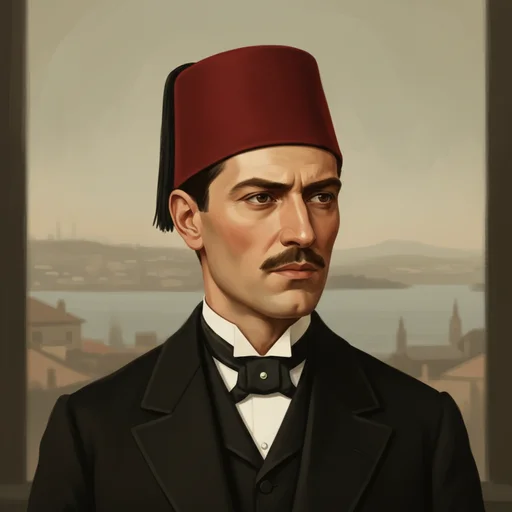
Namık Kemal nació el 21 de diciembre de 1840 en Tekirdağ. Su padre, Mustafa Asım Bey, llegaría a ser astrólogo de la corte; su madre, Fatma Zehra Hanım, murió cuando el niño tenía ocho años. Pasó la infancia siguiendo a su abuelo Abdüllatif Paşa por los destinos administrativos que lo llevaron de Kars a Sofía. No tuvo escuela regular: aprendió árabe, persa y poesía de diván con maestros particulares. El seudónimo «Namık» se lo dio en Sofía un poeta al que gustaron sus versos. De joven se instaló en Estambul y entró en la Oficina de Traducción; el francés que allí pulió le abrió Europa. El giro verdadero llegó a comienzos de la década de 1860, al conocer a Şinasi. Dejó los moldes de la poesía de diván por el periodismo y, cuando Şinasi partió a París, asumió la dirección de Tasvir-i Efkâr y firmó los artículos que asentaron en turco palabras como libertad, patria y nación. Sumarse a los Jóvenes Otomanos aumentó la presión: en 1867 huyó a París y luego publicó en Londres, junto a Ziya Paşa, el periódico Hürriyet. Regresó en 1870 y fundó İbret. Cuando en 1873 se estrenó «La patria o Silistria» y el entusiasmo del público salió a la calle, fue desterrado a Famagusta sin juicio. Los treinta y ocho meses en la fortaleza fueron los más fértiles: allí escribió «El pobre niño», «Akif Bey», «Celaleddin Harzemşah» y «El despertar». Entendió el arte como un modo de despertar a la sociedad y abandonó la prosa recargada del diván buscando una lengua que el lector pudiera seguir. «El despertar» se considera el comienzo de la novela turca, y su teatro, el de la escena a la occidental. Después de 1876 gobernó Lesbos, Rodas y Quíos. Murió en Quíos el 2 de diciembre de 1888 y, según su voluntad, fue enterrado en Bolayır, junto al mausoleo de Süleyman Paşa.