

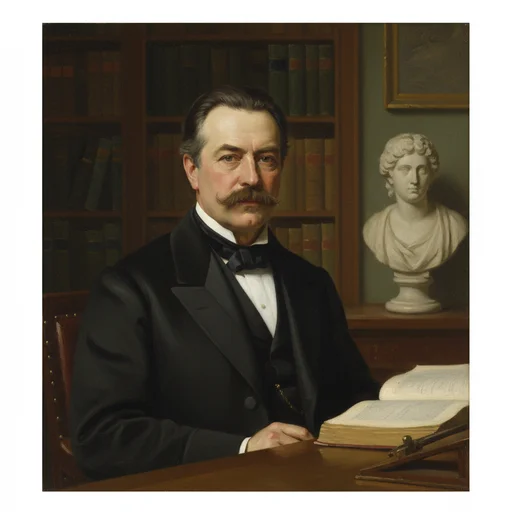
Gustave Flaubert 12 Aralık 1821'de Rouen'da doğdu. Babası Achille-Cléophas Flaubert kentin Hôtel-Dieu hastanesinde başcerrahtı ve aile hastanenin lojmanında yaşıyordu; çocuk, hastalığı ve ölümü günlük hayatın sıradan bir parçası olarak gördü. Daha okul sıralarındayken yazmaya başladı. Ailesinin isteğiyle Paris'te hukuk okudu; 1844'te geçirdiği, dönemin hekimlerince sara sayılan sinir nöbeti öğrenimini bitirdi. Rouen yakınındaki Croisset'ye çekildi ve ömrünün geri kalanını orada, çalışma masasında geçirdi. 1849'da arkadaşları Louis Bouilhet ile Maxime Du Camp'a dört gün boyunca okuduğu “Aziz Antonius'un Baştan Çıkarılması” için aldığı cevap, metni ateşe atıp bir daha sözünü etmemesi oldu; hemen ardından Du Camp'la Mısır'a ve Doğu Akdeniz'e uzanan uzun bir yolculuğa çıktı. “Madame Bovary” 1856'da Revue de Paris'te tefrika edilince savcılık genel ahlaka hakaretten dava açtı; ocak 1857'de başlayan yargılamadan şubatta beraatle çıktı ve kitap aynı yıl basıldığında çok satanlar arasına girdi. Ardından gelen “Salammbô” ve “Duygusal Eğitim” soğuk karşılandı. 1870'te Prusya askerleri Croisset'deki evine yerleşti, 1872'de annesini kaybetti, 1875'te yeğeni Caroline'in ailesini vuran iflas servetini eritti. Doğru sözcüğü — le mot juste — bulana kadar cümlelerini yüksek sesle okur, aylarca yeniden yazardı; anlatıcıyı geri çekerek karakterin sesini üçüncü tekil kişinin içine sızdıran tekniği modern romanın temel araçlarından biri oldu. 1877'de yayımlanan “Üç Hikâye” ona okurunu geri kazandırdı; Zola ve Maupassant onu ustası saydı. 8 Mayıs 1880'de Croisset'te beyin kanamasından öldü, “Bouvard ile Pécuchet” yarım kaldı.
19th-century France, late middle age, thick dark mustache, somber frock coat, writing desk, realist academic setting.