
—
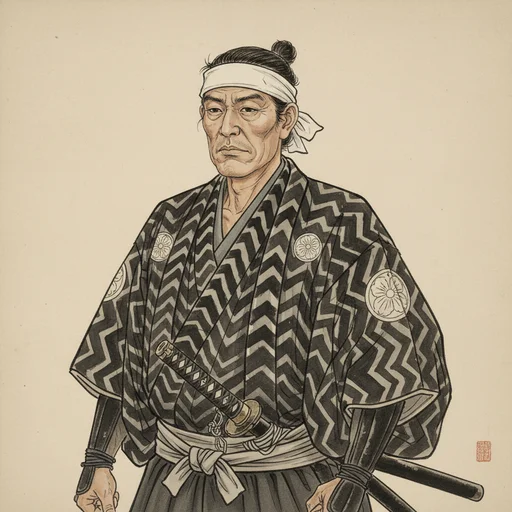
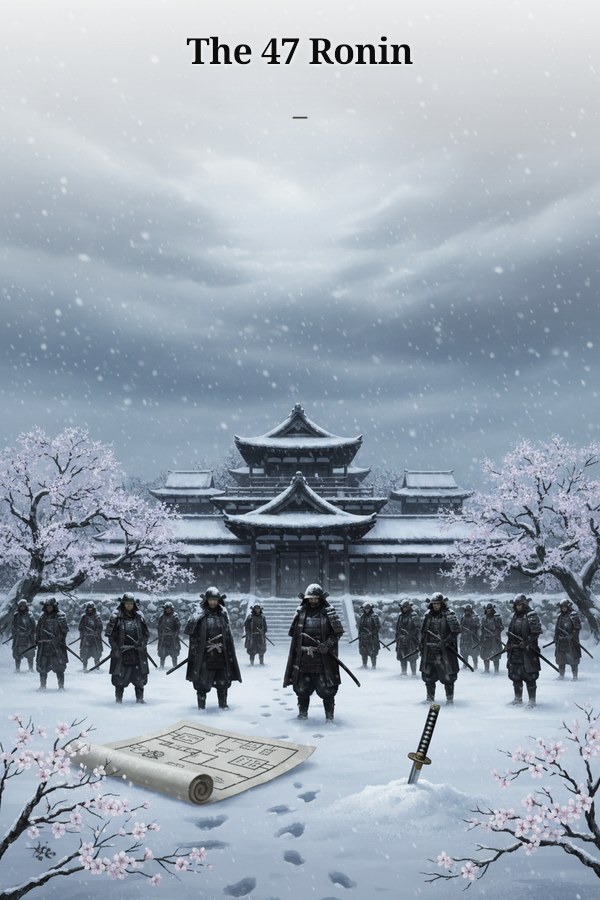
Edo dönemi Japonya'sında, 1701 yılında gerçekleşen gerçek bir tarihi olayı (Akō vakası) konu alır. Genç daimyō Asano Naganori, Edo kalesinde yüksek rütbeli bir saray görevlisi olan Kira Yoshinaka'nın kışkırtmalarına ve hakaretlerine dayanamayarak ona kılıç çeker. Şogunluğun sarayında silah çekmek kesinlikle yasak olduğu için Asano, seppuku (ritüel intihar) yapmaya mahkum edilir ve tüm topraklarına el konulur. Efendisiz kalarak rōnin statüsüne düşen Asano'nun samurayları, baş kâhyaları Oishi Kuranosuke önderliğinde gizli bir intikam yemini eder. Şüphe çekmemek ve Kira'nın savunmasını zayıflatmak için Oishi ve adamları yıllarca sarhoş, tembel ve çaresiz gibi davranarak planlarını gizlerler. Beklenen zaman geldiğinde, kışın ortasında 47 rōnin Kira'nın malikanesine gizli bir baskın düzenler. Hedeflerine ulaşarak efendilerinin onurunu temizlerler ancak bu sadakat gösterisinin bedeli, devletin yasaları gereği kendi hayatları olacaktır. Bu hikaye, Japon kültüründe onur, sadakat ve bushido felsefesinin en mükemmel örneği olarak tarihe kazınmıştır.
The inevitable tragic conflict between the moral responsibility (Bushido/Giri) felt by samurai to cleanse their lord's honor and the obligation to obey the strict laws of the shogunate.
Japonya (Edo şehri ve Akō bölgesi).
Edo Dönemi, Genroku devri (1701-1703).
Serious, tense, honorable, melancholic, tragic, and epic.
A narrative tone that is dignified, possesses historical objectivity, and respectfully emphasizes the tragic virtue, patience, and devotion of the heroes.
The Shogun's word is absolute law in Japan. Drawing a sword within Edo Castle is a capital crime, punishable by the destruction of the perpetrator's clan and his own seppuku. A samurai's worth and honor in society are measured by his absolute obedience and loyalty to his lord. A samurai who loses his lord (rōnin) is cast out of society, impoverished, and stripped of his status. According to the tenets of Bushido, the honor of a stained lord must be avenged, yet by law, such an act of vengeance is considered rebellion against the state.
The culture of feudal Japan, characterized by rigid social classes, where samurai had to strike a moral balance between Confucian loyalty, duty (giri), and human emotion (ninjo).
Characters are arranged at equal intervals on a circle; you can read the relationship type and dynamics by clicking on the lines.
Bir çizgiye tıklayarak ilişki detayını açın.
Oishi is bound to Asano with deep loyalty and affection. Despite Asano's impulsive error, Oishi never blames him, focusing only on preserving his honor. The bond between them is like a spiritual obligation that persists even after death.
The moment Oishi takes the blood-stained earth from the site where his lord Asano performed harakiri and swears his oath of vengeance.
Kira is an arrogant predator who underestimates Oishi's intellect; Oishi is a patient and ruthless hunter. Oishi approaches Kira not merely to kill him, but with a ritualistic sense of duty to cleanse his lord's honor.
When Oishi finds Kira on the night of the raid, he respectfully offers him the seppuku blade so that he may end his own life like a samurai.
Asano's inexperience and rigid pride clash with Kira's experience and insolence. Kira deliberately humiliates Asano, and when he fails to receive the respect (and bribes) he expects, he corners him. This toxic dynamic is the starting point of the entire tragedy.
Kira insulting Asano as an ill-mannered provincial in the pine corridors of Edo Castle, prompting Asano to reach for his sword.
Two generations carrying the legacy and honor of the Oishi clan. Although Kuranosuke is pained by his son facing death at a young age, he is proud that he fulfills his duty as a samurai. Chikara, for his part, exhibits flawless obedience to his father as both a son and a loyal soldier.
Chikara's brave struggle at the back gate of the mansion, where he follows his father's commands without hesitation.
Initially, they experience a major clash of strategy. Horibe advocates for an immediate attack, while Oishi orders them to wait. Although Horibe is angered by Oishi's passivity, he respects the hierarchy and becomes his greatest supporter once he learns the truth.
The tense meeting where Horibe comes from Edo to accuse Oishi of laziness, and Oishi pacifies him to hide his plan.
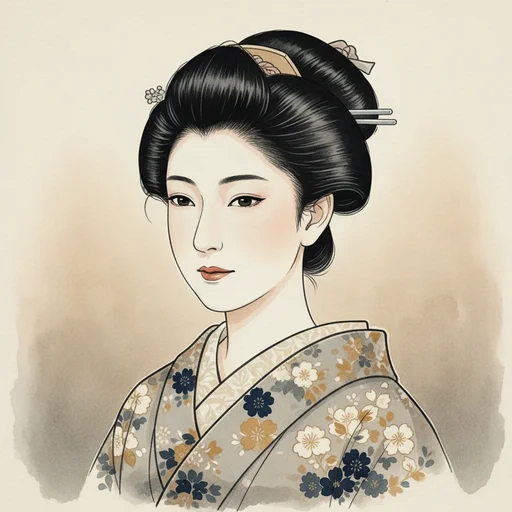
They are bound to each other by deep love and silent understanding. In order for Oishi to complete his mission and protect his family, Riku endures her husband's life of feigned debauchery and accepts a divorce from him.
The day Riku leaves the house with their children, the look of farewell in her eyes despite Oishi being unable to tell her the truth.
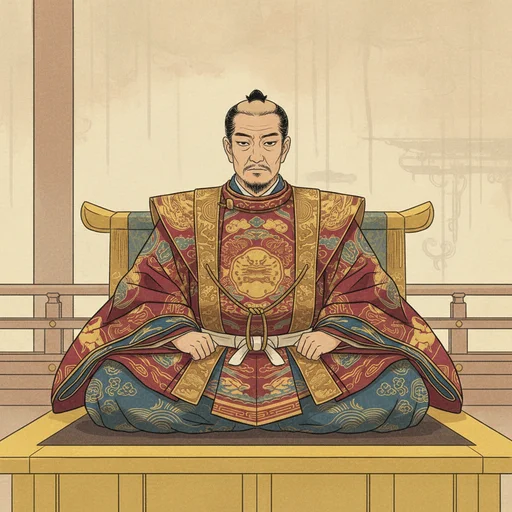
Absolute authority and the feudal lord bound to submit to it. The Shogun shows no tolerance for Asano's breach of protocol and, without hearing the circumstances, imposes the harshest penalty.
The decree issued by the Shogun on the evening of the incident, ordering Asano to commit seppuku immediately and the dissolution of his clan.
The Shogun legally protects Kira, who oversees court protocols, and accepts him as the victim in Asano's attack. However, after the rōnin's raid, Kira's cowardice and failure deplete his credibility in the eyes of the Shogun.
The Shogun's refusal to punish Kira after the incident, instead forcing him to relocate to a more remote area of Edo for security reasons.