
Halid Ziya Uşaklıgil
Aşk-ı Memnu, Halit Ziya Uşaklıgil'in aynı adlı romanından uyarlanan, İstanbul'da zengin bir ailenin içinde yaşanan yasak aşk, ihtiras ve ihaneti konu alan ikonik Türk dizisidir. Adnan Bey ile evlenen genç Bihter'in, kocasının yeğeni Behlül ile yaşadığı ilişki, büyük bir trajedi ve Bihter'in intiharı ile sonuçlanan çarpıcı bir finalle ekranlara veda etmiştir.
Genç ve tutkulu Bihter'in kendisinden yaşça büyük zengin Adnan Bey ile mantık evliliği yapmasının ardından, hayal kırıklığıyla yeğeni Behlül'e karşı duyduğu yasak arzuya yenik düşmesi ve bu ihanetin yalıdaki herkesi, özellikle de masum Nihal'i felakete sürüklemesidir.
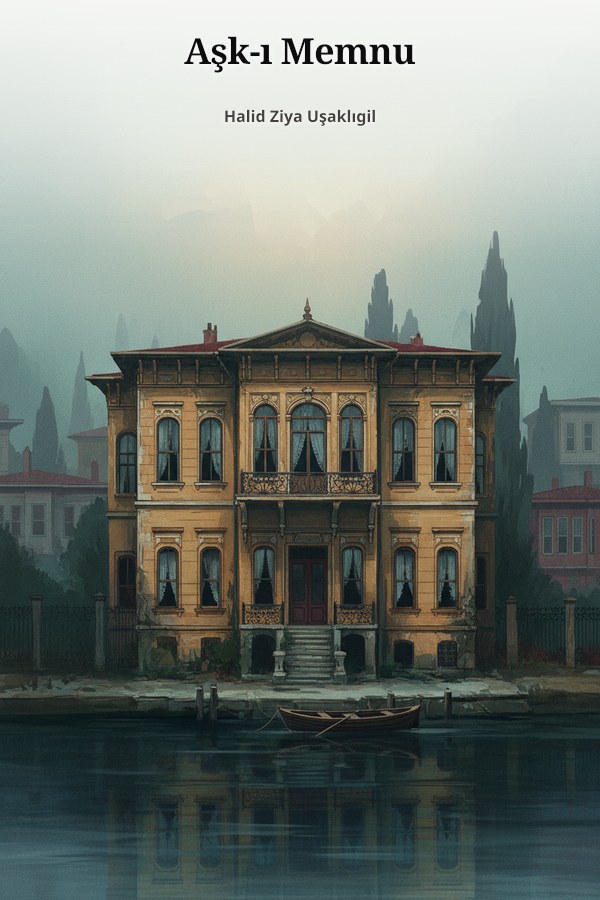
İstanbul; özellikle Boğaziçi'ndeki ihtişamlı Adnan Bey yalısı, Firdevs Hanım'ın yazlığı, Göksu mesiresi, Beyoğlu mağazaları ve Büyükada.
19. yüzyılın sonları, Osmanlı'nın son dönemi (Servet-i Fünun devri).
Melankolik, boğucu, lüksün ve ihtişamın ardında yatan çürümüşlük hissiyle dolu, sırlarla örülü, gergin ve kapalı bir yalı havası.
Karakterlerin iç dünyalarına, psikolojik buhranlarına ve bilinçaltı dürtülerine derinlemesine nüfuz eden, estetik ve ağdalı bir dil kullanan üçüncü tekil şahıs (hakim) anlatıcı.
Cemiyet hayatında dış görünüş, prestij ve gösteriş her şeydir. Duygular gizlenmeli, kibar tabakanın kurallarına uyulmalıdır. Kadınlar kendi hislerini bastırmak zorundadır ve kapalı kapılar ardında yaşanan ahlaki düşüşler dışarı sızmamalıdır. 'Melih Bey Takımı' gibi yaftalar bir ailenin kaderini belirler.
Fransız mürebbiyelerin çocuk eğittiği, modanın ve lüksün Paris'ten takip edildiği, batı ve doğu kültürünün sathi bir şekilde çatıştığı, elit sınıfın Avrupa tarzı (alafranga) yaşamaya özendiği bir geçiş dönemi İstanbul burjuvazisi.
Kişiler çember üzerinde eşit aralıklarla dizilir; çizgilere tıklayarak ilişki türü ve dinamiğini okuyabilirsiniz.
Bir çizgiye tıklayarak ilişki detayını açın.
Başlangıçta Behlül'ün ısrarcı çapkınlığıyla başlayan ilişki, Bihter'in teslim olmasıyla ihtiraslı bir aşka dönüşür. Ancak zamanla Behlül sıkılmaya ve Nihal'e yönelmeye başlarken, Bihter bu kaybı kabullenemez ve çıldırtıcı bir kıskançlıkla Behlül'ü elinde tutmaya veya onun yeni mutluluğunu yok etmeye çabalar.
Bihter, kilitlenmiş dişlerinin arasından: 'Alçak!... Her şey pek güzel bitmek mümkün iken...' derken Behlül'e karşı büyük bir nefret ve çaresizlik hissediyordu.
Bihter yalıya geldiği andan itibaren Nihal ona gizli bir düşmanlık besler. Nihal babasının elinden alındığını düşünürken, Bihter de bu şımarık çocuğun sahte hastalıklarından bıkmıştır. İkisi arasında sessiz, soğuk ve tırmalayıcı bir savaş vardır.
Bu izdivaçtan sonra kendisi için başlayacak işkence hayatı o kadar ağırdı ki, tahakkukunu menetmek üzere her şeyi feda etmeğe karar vermişti.
Adnan Bey Bihter'e büyük bir aşk, güven ve baba şefkatiyle bağlıdır. Bihter ise ona karşı yalnızca saygı duymaya çalışmış, ancak aralarındaki yaş farkı ve tensel uyumsuzluk Bihter'i hızla yalıdan ve kocasından soğutarak onu ihanete itmiştir.
Bihter onu kollarının arasında camit bir cisim ruhsuzluğile, ölmüş bir kadın hissizliğile karşiliyor ve hissettikçe Adnan onu sevmediğini anlıyordu.
Annesiz büyüyen Nihal, babasına hastalık derecesinde bağlıdır. Adnan Bey de kızının üzerine titrer ancak onun Bihter ile evlenmesi Nihal'in kalbinde derin bir kırılma yaratır. Adnan Bey iki sevgi arasında çaresiz kalır.
Babasının kucağında çıkarken, Nihal geniş bir nefes aldı, ve gözlerini açarak babasına uzun bir nazarla baktı.
Firdevs Hanım, yaşlanmayı reddeden, kızlarını kendine rakip gören bir kadındır. Bihter annesinin şöhretinden ve hatalarından kaçmak için Adnan'la evlenir ama annesinin yalıya gelmesiyle kaderinin ona benzemeye başladığını görerek ondan nefret eder.
Bihter, annesine gidip o günahı itiraf eden bu kadın, tehdidini icra ederek Nihale de gidebilir, ona da hakikati söyleyebilirdi.
Çocukluğundan beri didiştikleri Behlül, Nihal genç kızlığa adım atınca onu kandırmaya başlar. Nihal ona aşık olur ve evlilik hayalleri kurar. Behlül ise onu sadece Bihter'den kurtulmak ve uslu bir hayata sığınmak için bir kalkan olarak kullanır.
Behlül: 'Seni seviyorum Nihal! Oh! Bundan eminim, bu gece gelmiş olmak için herhalde beni seviyorsun...' diyordu.
Madmazel, Nihal'in hayatındaki en kalıcı ve şefkatli kadın figürüdür. Kendi yalnızlığını Nihal'i severek unutur. Nihal de bütün dertlerini ona anlatır fakat olayların sonunda Nihal'in Behlül'e yönelmesiyle aralarına mesafe girer.
Nihal, bu sıcak Ağustos günü, sahralardan yakıcı bir hava getirerek onu sersemletiyor, bütün mahrem dertlerini mürebbiyesine döküyordu.
Siyahi hizmetkar Beşir, Nihal'e uzaktan, umutsuz ve taparcasına acı bir aşk besler. Nihal'i korumak için köşe bucak etrafı dinler ve Bihter ile Behlül'ün sırrını canı pahasına saklar.
Beşir donuk beyaz gözleriyle ona bakarak hiç bir cevap vermedi, Beşir'in bu bakışında öyle bir adavet vardı ki...