
Auteur · 1 œuvres
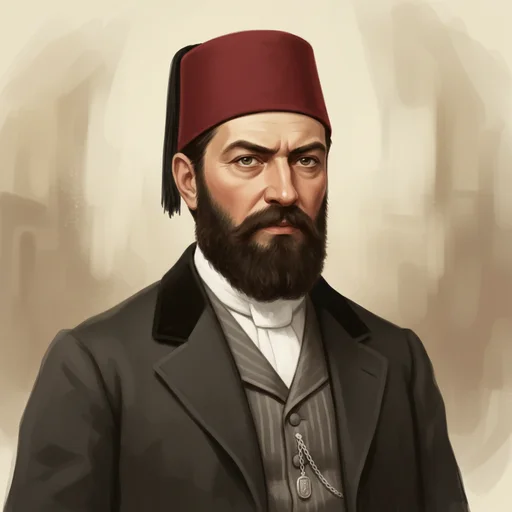
Il naît en 1844 dans le quartier stambouliote de Tophane. Son père, Süleyman Ağa, était marchand d'étoffes ; sa mère, Nefise Hanım, venait du Caucase. Ayant perdu son père très tôt, il entre non à l'école mais en apprentissage, chez un herboriste du Bazar égyptien. La nomination de son frère aîné le conduit d'abord à Vidin, puis à Niš, où il achève l'école secondaire.
Entré comme scribe dans les bureaux de la province du Danube, il attire l'attention de Midhat Pacha, qui lui donne son propre nom. À Roustchouk, il commence à écrire pour le journal « Tuna » et en devient bientôt le rédacteur en chef. En 1869, il suit le pacha à Bagdad et dirige le journal « Zevrâ ». Rentré à Istanbul en 1871, il fonde sa propre imprimerie et lance les revues « Dağarcık » et « Kırkambar ».
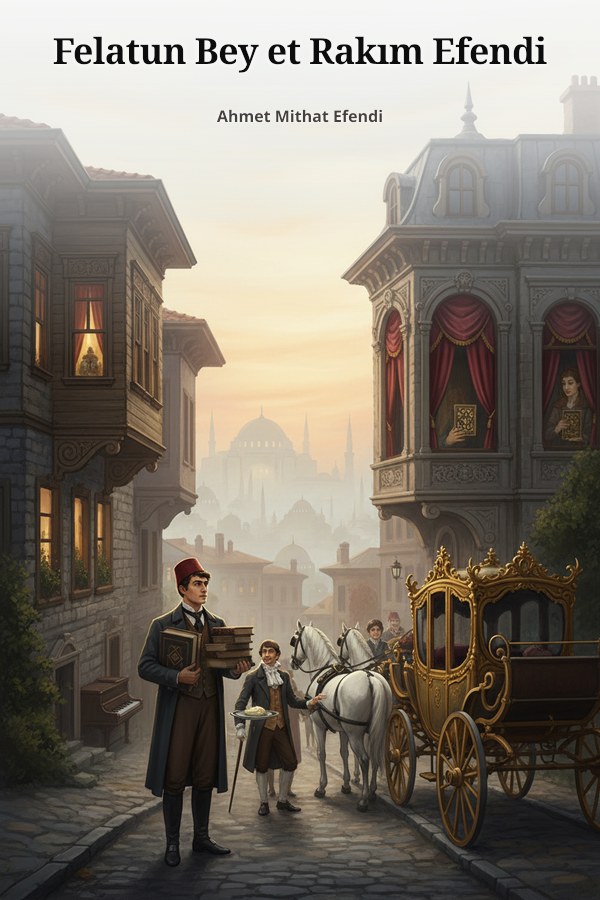
Un article paru dans « Dağarcık » lui vaut une accusation d'impiété : en 1873, il est exilé à Rhodes, où il continue d'enseigner. Il revient à Istanbul en 1876. Son œuvre romanesque s'ouvre en 1874 avec « Hasan Mellah » et trouve sa marque propre l'année suivante dans « Felâtun Bey et Râkım Efendi ». Le journal « Tercüman-ı Hakikat », qu'il fonde en 1878, devient l'un des plus durables de la presse ottomane ; c'est lui qui fait entrer Fatma Aliye en littérature.
Il écrit simplement, comme s'il prenait le lecteur par la main, sans craindre d'interrompre le récit pour expliquer. Avec plus de deux cent cinquante livres, on l'appelle « la machine à écrire » et on le tient pour le premier maître du peuple. Il porte le roman jusqu'à un large public turc. En 1889, il participe au congrès des orientalistes de Stockholm. Ses dernières années, il enseigne au Darülfünun ; il meurt le 28 décembre 1912 à la Darüşşafaka, où il donnait bénévolement des cours.
Il écrit dans la deuxième génération du Tanzimat, quand l'Empire ottoman repense son rapport à l'Occident. Le journal est une puissance neuve, le roman entre à peine dans la langue turque. Tandis que les Jeunes Ottomans réunis autour de Namık Kemal réclament la liberté politique, lui choisit d'abord d'instruire le peuple. Il se tient au cœur du débat sur une occidentalisation réduite à l'imitation ; « Felâtun Bey et Râkım Efendi » en est le roman. Sous la censure sévère d'Abdülhamid II, il préfère une édition tenue à l'écart de la politique.