
Autor · 1 Werke
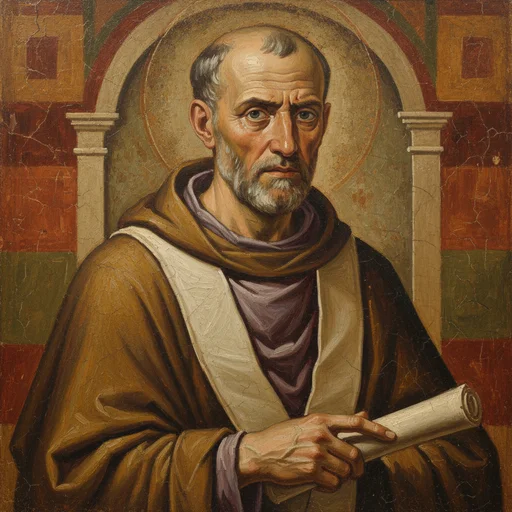
Er wurde am 13. November 354 in Thagaste geboren, einer Stadt der römischen Provinz Numidien in Nordafrika. Sein Vater Patricius war ein kleiner Stadtbeamter und gab den heidnischen Glauben erst kurz vor seinem Tod auf; seine Mutter Monica war Christin und ließ ihren Einfluss auf den Sohn nie erlahmen. In Madauros und danach in Karthago studierte er Grammatik und Rhetorik; in der großen Stadt entdeckte der Junge aus der Provinz seinen Ehrgeiz ebenso wie seine Haltlosigkeit.
Mit achtzehn las er Ciceros Hortensius, und das Buch wandte ihn der Philosophie zu. Rund neun Jahre blieb er im Kreis der manichäischen „Hörer" und unterrichtete Rhetorik in Thagaste und Karthago. In Karthago gebar ihm die Frau, mit der er lebte, den Sohn Adeodatus. 383 ging er nach Rom und von dort nach Mailand, dem Sitz des Kaiserhofs, wo er besoldeter Rhetoriklehrer der Stadt wurde.
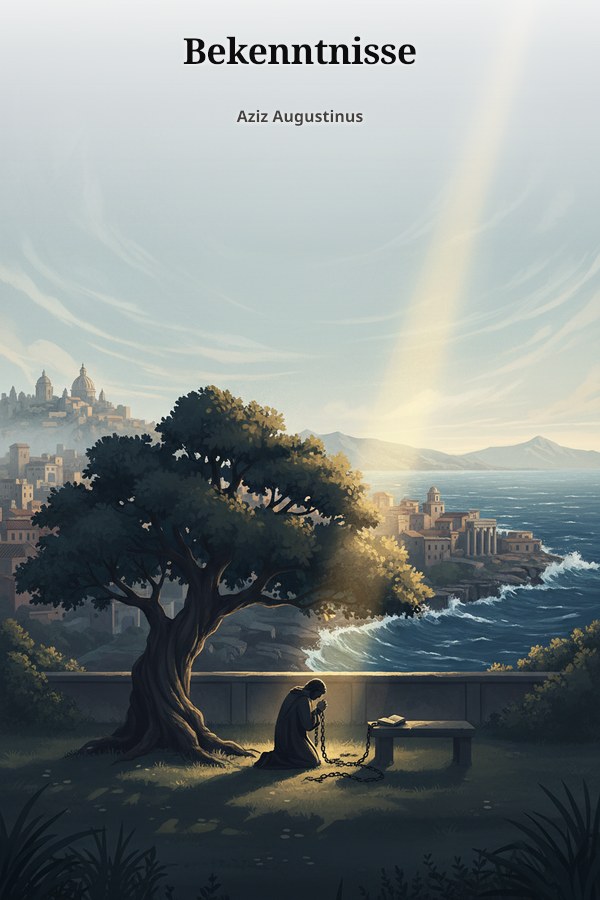
In Mailand lösten ihn die Predigten des Bischofs Ambrosius und die Schriften der Neuplatoniker vom Manichäismus. Im Sommer 386 hörte er in einem Garten die Stimme „Nimm und lies", schlug den Paulusbrief auf, und das wurde zum Wendepunkt seines Lebens; zu Ostern des folgenden Jahres taufte ihn Ambrosius. Auf der Rückreise nach Afrika verlor er in Ostia seine Mutter. In Thagaste gründete er eine klosterähnliche Gemeinschaft, 391 wurde er in Hippo Regius zum Priester geweiht, um 395 zum Bischof.
Die Bekenntnisse schrieb er zwischen 397 und 400: an Gott gerichtet und die eigene Vergangenheit durchforschend, veränderte dieses Buch, wie im Westen vom Innenleben erzählt wird. Nach der Plünderung Roms 410 begann er den Gottesstaat, an dem er jahrelang arbeitete. Seine Art, Gedächtnis, Begehren und Zeit zu befragen, machte aus dem theologischen Text eine Sprache des Bekennens und der Selbstprüfung. Am 28. August 430 starb er im von den Vandalen belagerten Hippo.
Er schrieb in der Spätantike, als das Weströmische Reich zu zerfallen begann und das Christentum Staatsreligion wurde. Die nordafrikanischen Kirchen waren durch das donatistische Schisma gespalten, heftig stritt man über Manichäismus und Pelagianismus. Klassische lateinische Rhetorik und Neuplatonismus bildeten noch immer das Rückgrat der Bildung; die Plünderung Roms durch die Goten im Jahr 410 erschütterte das Selbstvertrauen der Zeit. An dieser Wegkreuzung versuchte Augustinus, das heidnische Erbe und den christlichen Glauben eine Sprache sprechen zu lassen.