
Yazar · 1 eser
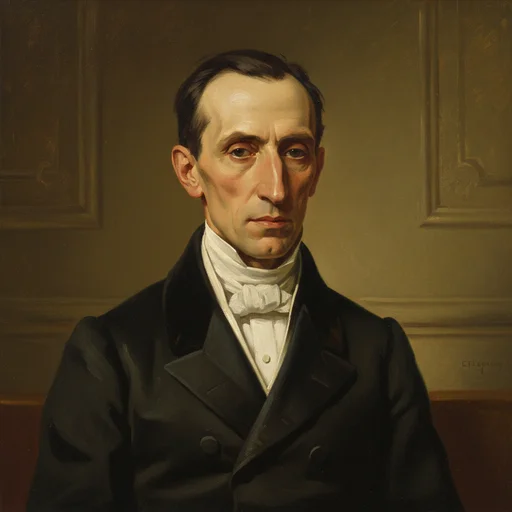
Nikolay Gogol 1809'da, Ukrayna'nın Poltava bölgesindeki Soroçintsi kasabasında, küçük toprak sahibi bir ailenin çocuğu olarak dünyaya geldi. Babası Vasili Gogol-Yanovski amatör oyunlar yazan, evinde sahne kuran bir adamdı; Gogol on beş yaşındayken öldü. Hastalıklı ve içine kapanık bir çocuk olan yazar, Nejin'deki okulda keskin diliyle ve okul temsillerinde canlandırdığı yaşlı tiplerle tanındı.
1828'de ün peşinde Petersburg'a gitti; oyunculuk denemesi tutmadı, kendi parasıyla bastırdığı Hanz Küchelgarten adlı şiiri sert eleştiriler alınca elindeki bütün nüshaları toplayıp yaktı. Memurluk yaparken yazdığı, Ukrayna köy hikâyelerinden oluşan Dikanka Yakınlarındaki Bir Çiftlikte Akşamlar (1831-32) onu bir anda tanınır kıldı ve Puşkin'in dostluğunu kazandırdı.
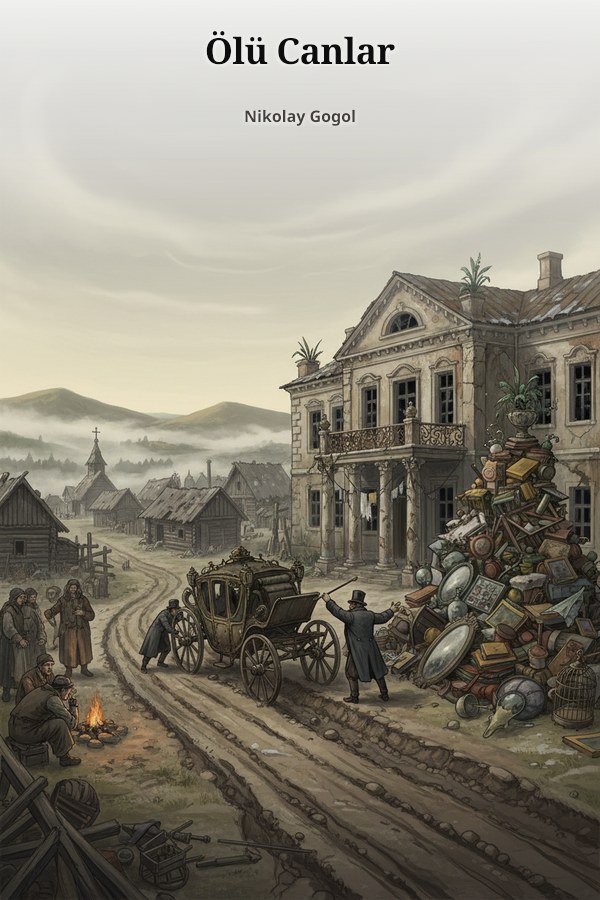
1835'te Mirgorod ve Arabeskler'i yayımladı; ertesi yıl sahnelenen Müfettiş, taşra memurlarını hedef alan gülmecesiyle büyük gürültü kopardı. Tepkilerden bunalan Gogol yurt dışına çıktı ve on iki yılın çoğunu Roma'da geçirdi; Ölü Canlar'ın ilk cildini orada yazdı. 1847'de yayımladığı Dostlarla Yazışmalardan Seçme Parçalar, kendisini savunan eleştirmenleri karşısına aldı; Belinski'nin öfkeli mektubu onu derinden sarstı.
Gogol'ün kalemi gülünç olanla ürkütücü olanı aynı cümlede tutar: Palto'nun silik kâtibi de Ölü Canlar'ın taşra konakları da hem güldürür hem tedirgin eder. Rus düzyazısının gerçekçi damarı büyük ölçüde bu kavrayıştan doğdu. 1848'de Kudüs'e hac yolculuğuna çıktı; son yıllarında dinî bir bunalıma sürüklendi. Şubat 1852'de Ölü Canlar'ın ikinci cildinin müsveddelerini ateşe attı, yemekten kesildi ve günler sonra Moskova'da, kırk iki yaşında öldü.
Gogol, I. Nikolay'ın sansür ve jandarma düzeniyle yönetilen, serfliğin hâlâ ayakta olduğu bir Rusya'da yazdı. Romantizmden gerçekçiliğe geçişin tam ortasındaydı: Puşkin kuşağının şiiri yerini düzyazıya bırakıyor, Belinski çevresindeki eleştirmenler edebiyattan toplumsal hakikat ve gündelik hayatın dilini bekliyordu. Batıcılarla Slavcıların ülkenin yönü üzerine çekiştiği yıllarda, Gogol'ün taşra memuru ve toprak sahibi portreleri iki tarafın da kendi davasına delil saydığı metinler oldu.