
Author · 1 works
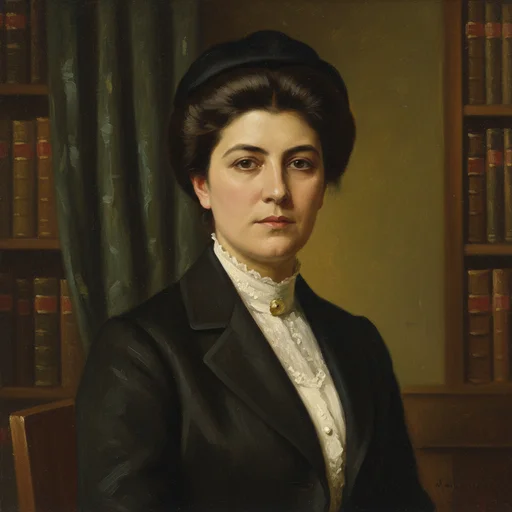
Halide Edib Adıvar was born in Istanbul in 1884. Her father, Mehmed Edib Bey, served as a secretary at the palace of Sultan Abdülhamid II; she lost her mother, Bedrifem Hanım, to tuberculosis while still very small. She spent her childhood in Beşiktaş, in her grandmother's house — the house she would later name in her memoir, Mor Salkımlı Ev (House with Wisteria). Private tutors taught her languages, literature and music, and in 1901 she graduated from the American College for Girls in Üsküdar.
That same year she married the mathematician Salih Zeki; the marriage ended in divorce. After the Second Constitutional Era began she started writing for the newspaper Tanin, and her articles on women's education and rights drew fierce hostility; during the 31 March Incident she had to leave for Egypt for a time. Back home she worked as a teacher and school inspector and founded the Society for the Elevation of Women. In Seviye Talip and Handan she pushed the inner lives of her heroines to the front.
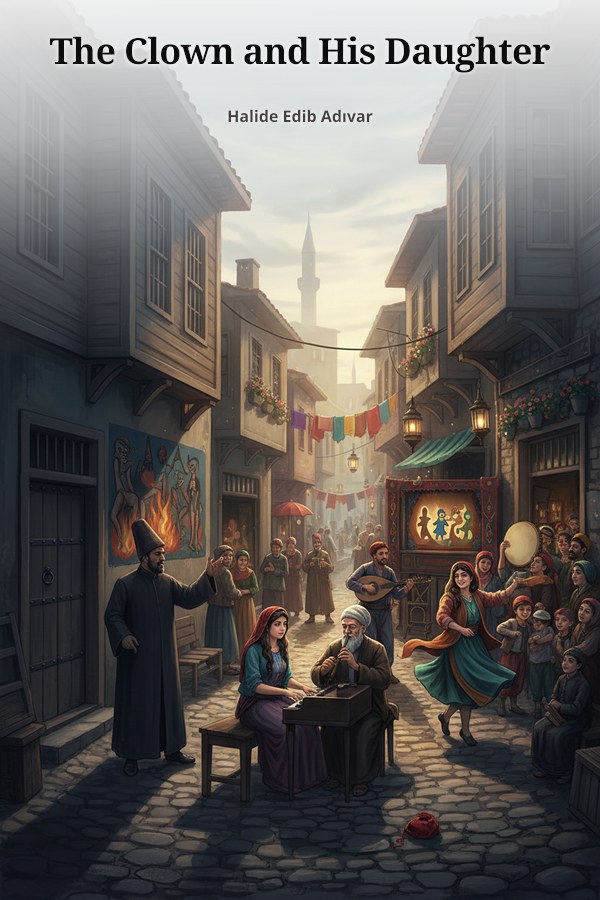
In 1919, after the occupation of İzmir, the speech she gave at the Sultanahmet rally made her name known across the country. The following year she crossed into Anatolia, took up a post at the headquarters of the Western Front and was given the rank of corporal. Those years mark Ateşten Gömlek (The Shirt of Flame) and Vurun Kahpeye. In 1926 she left the country with her husband Adnan Adıvar and lived fourteen years in England and France; she wrote Sinekli Bakkal first in English, as The Clown and His Daughter, publishing the Turkish version in 1936.
She returned in 1939 and founded the chair of English philology at Istanbul University; between 1950 and 1954 she sat in parliament as a deputy for İzmir. She gathered her testimony of the years of the National Struggle in Türk'ün Ateşle İmtihanı (The Turkish Ordeal). In her novels she joined psychological analysis to social observation, giving the Turkish novel women who stand inside politics. She died in Istanbul on 9 January 1964.
Halide Edib wrote as Turkish letters pulled away from the closed aesthetic of Servet-i Fünûn toward plain language and the National Literature movement. The freedom of the Second Constitutional Era, defeat in the Balkan Wars and the occupation years set her generation between literature and politics. She stood amid arguments over Turkism, Ottomanism and Westernization, and later over the shape of the new republic; women's education and public role were contested ground in her novels.