
Peyami Safa
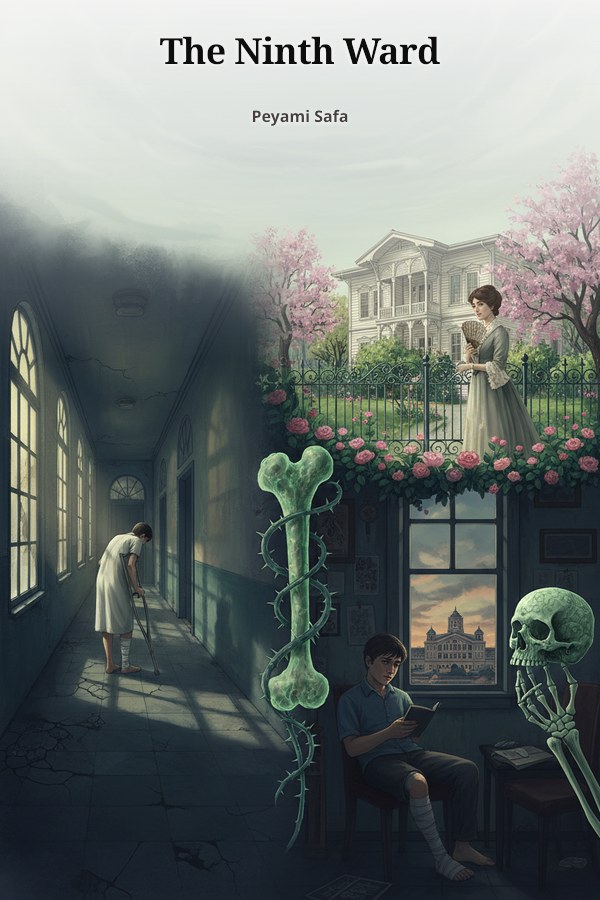
Dokuzuncu Hariciye Koğuşu is an autobiographical work by Peyami Safa, considered one of the most successful examples of the psychological novel genre in Turkish literature.
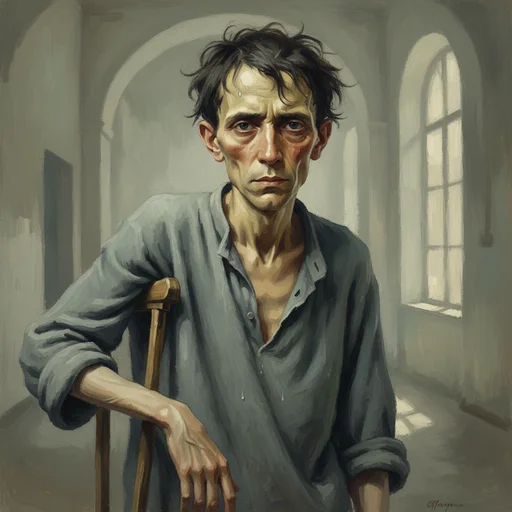
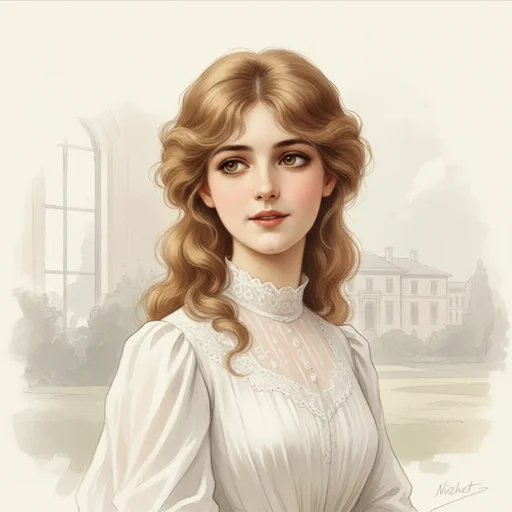
The inner destruction experienced by the fifteen-year-old narrator, who faces the danger of being crippled or dying due to bone tuberculosis in his leg, while harboring a proud yet desperate love for his cousin Nüzhet, who is four years his senior. His physical decline and Nüzhet's marriage process to Doctor Ragıp progress in parallel.
Istanbul; cold and eerie hospital corridors, provincial/suburban houses, Haydarpaşa railway station, and the glamorous mansion with a garden in Erenköy.
1915 (The First World War era, referred to in the diary as 'October 5, 1915').
Melancholic, claustrophobic, filled with sickness and pain; a stifling atmosphere that, although occasionally brightened by the deceptive spring joy of the Erenköy mansion, immediately reverts to darkness, the smell of a hospital, and intense psychological tension.
First-person (I); an extremely insightful, psychologically profound, matured by pain, and highly subjective narrator.
The story is based on the rigid social and medical rules of early 20th-century Istanbul. There is an almost invisible wall between healthy people and patients. Disease interacts directly with both rational medical rules and personal psychology.
The late Ottoman period; a society where the effects of Westernization (learning French, cosmopolitanism, an aspiration for a Western lifestyle) are visible, and where arranged marriages and class anxieties prevail.
Characters are arranged at equal intervals on a circle; you can read the relationship type and dynamics by clicking on the lines.
Bir çizgiye tıklayarak ilişki detayını açın.
While it is a life-or-death, grand love for the narrator, for Nüzhet, it hovers on the borders of affection, play, and childhood companionship. The distance between them widens dramatically as Nüzhet shifts her interest toward Doctor Ragıp.
But oh God, why am I condemned to sleep in this room tonight; why do I not get up and walk all the way home from here, and collapse exhausted on my own sofa?
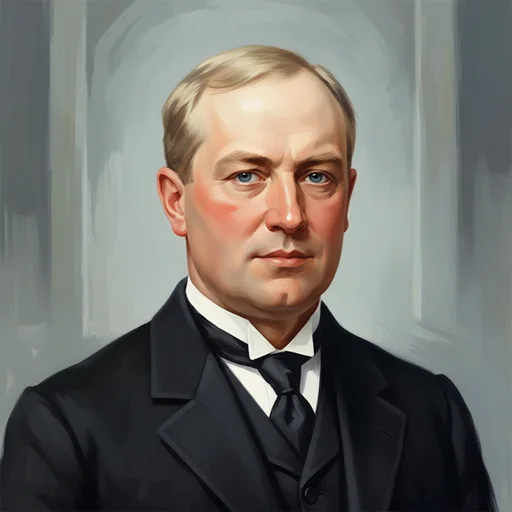
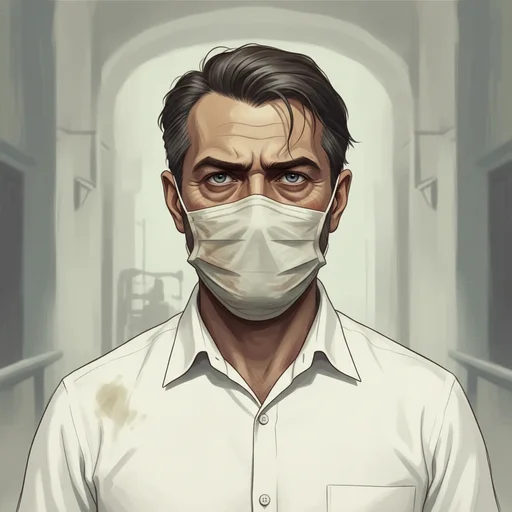
They are complete opposites in character. Ragıp is healthy, successful, rational, and superficial; the protagonist is sick, deep, passionate, and fragile. The tension between them surfaces through intellectual debates.
The Pasha and the doctor began to attack me with their simple, cosmopolitan ideas.
The Pasha loves the young man and has him read books, but when it comes to Nüzhet's future, he sees him as a threat and warns him sternly, bringing their bond to the breaking point.
Nüzhet is your sister. You grew up together. She is your sister!
The aunt wants to keep the young man away from Nüzhet. She views his disease as both a physical 'germ' to be disgusted by and a spiritual germ that threatens her daughter's future.
There's no joking about it, my girl, it's a germ...
For Ragıp, Nüzhet is an ideal spouse, while Nüzhet gradually yields to this man she initially mocked. Control and direction in the relationship are in the hands of Ragıp and the aunt.
If I were free, I would go all the way to Berlin.
Boundless empathy and shared pain. The narrator avoids sharing his sorrow with his mother because his mother's sadness doubles his own pain.
Sorrows confided to mothers are not divided, but multiplied.
A cold but realistic medical authority relationship. The surgeon is like a god-like figure holding the young man's fate in his hands; he scolds the young man but is actually trying to save him.
He will come this time! He pays no heed to my warnings, but this time it is not medicine, but nature that is threatening him directly.
A dominant mother figure forces her daughter into a wealthy and healthy marriage. Although Nüzhet rebels from time to time, she slowly submits to her mother's suggestions.
Listen! You must listen! Did you find your life in the street? Heaven forbid... A germ.
The father is protective of his daughter. Although he partially yields to his wife's ambitions, he is in the position to approve the final decision.
My father did not refuse; he said, 'let us think.' He is thinking.
Nurefşan, the maid in the mansion, is an ally who witnesses the young man's silent suffering, approaches him with compassion, and carries the house's secret truths to him.
The poor girl was treating this bird in her room... 'Things are progressing. The engagement will be decided within a day or two.'