

The Ninth Ward — 7 karakter
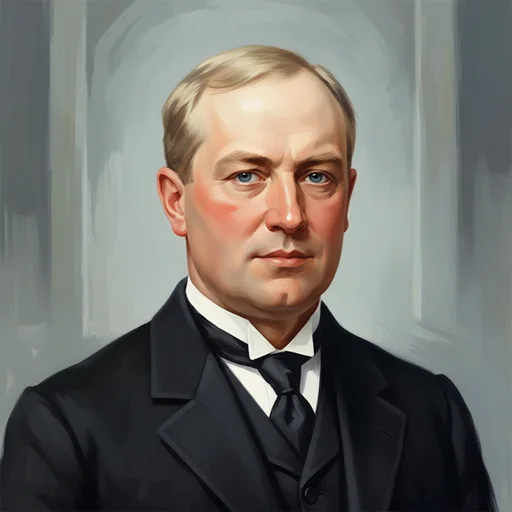
Doctor Ragıp
An approximately 35-year-old successful doctor who wants to marry Nüzhet and is master of his profession with a stable financial status. He represents 'adulthood, power, and health' to Nüzhet and the young protagonist. He represents the Istanbul bourgeoisie, possessing a direct, rational intelligence, alien to the inner conflicts at the heart of the narrator's world.
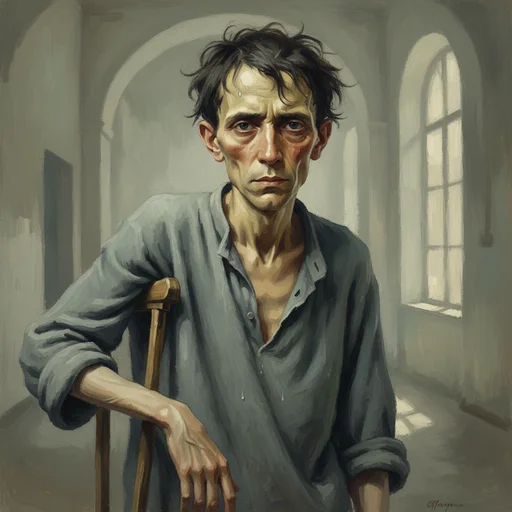
The Nameless Young Man (The Sick Child)
A highly sensitive fifteen-year-old youth who has suffered from bone tuberculosis since the age of eight and grew up in hospitals. The seven-year illness in his leg has shaped his entire childhood and personality. He is hopelessly in love with Nüzhet, the daughter of his distant relative, the Pasha, in Erenköy. He oscillates between the dark, terrifying reality of the hospital and the cheerful, lie-filled world of the mansion. Eventually, faced with the danger of losing his leg, he is admitted to the Ninth External Ward (Dokuzuncu Hariciye Koğuşu) and becomes completely isolated from people.
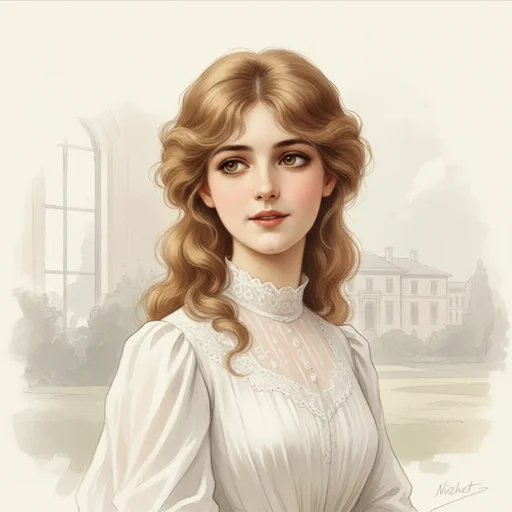
Nüzhet
Nineteen years old, she is a young girl living in the wealthy relative's (Pasha) mansion in Erenköy. She is the narrator's love and obsession. She has a very cheerful, bubbly temperament and is far from perceiving events with the depth felt by the narrator. She is torn between the successful Doctor Ragıp, who wants her, and the sick, suffering 'sick child' with whom she has a spiritual bond, but more so by the direction of her family (especially her mother), leading to a conflict between logic and emotion.
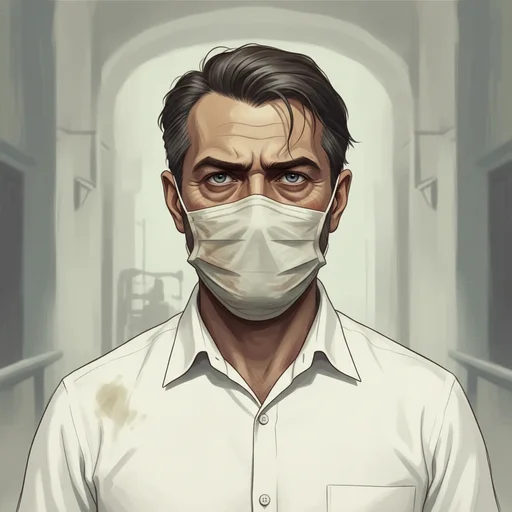
The Surgeon
The chief surgeon of the hospital's surgical ward (Dokuzuncu Hariciye Koğuşu). He oversees the seven-year treatment of the nameless young man. He represents the expert doctor who is deeply committed to his profession, stern on the outside but carrying deep compassion within.
Pasha
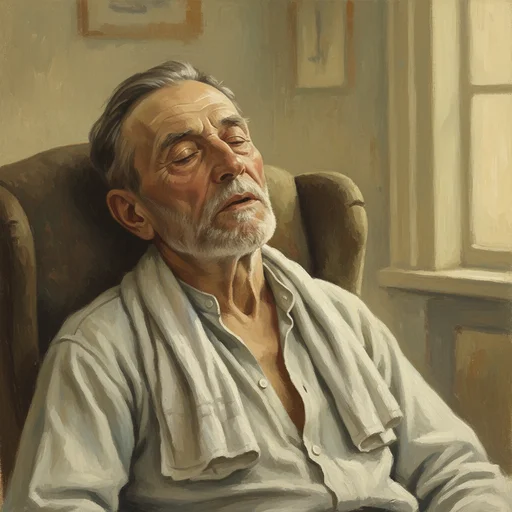
Nüzhet's father. He loves the protagonist, a distant relative whom he has protected and looked after since childhood, and enjoys sitting and reading old crime novels with him. A retired officer/bureaucrat. A fatherly, well-intentioned, but weak-willed man; ultimately, he is someone who loves protecting his family's status and sides with his wife regarding the spread of disease and societal judgments.
Peyami Safa
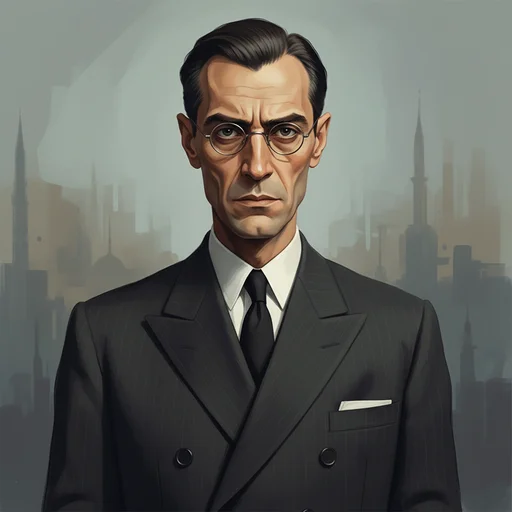
Peyami Safa was born on 2 April 1899 in the Gedikpaşa quarter of Istanbul. His name was chosen by the poet Tevfik Fikret, a friend of his father. That father, İsmail Safa, a poet of the Servet-i Fünun circle, died in Sivas, where the government of Abdülhamid II had exiled him; Peyami was barely eighteen months old. His mother, Server Bedia Hanım, raised her two sons in poverty. The bone tuberculosis that appeared in his right arm when he was nine sent him into hospital corridors for much of his childhood, and he could not finish the Vefa lycée he entered in 1910. He went on educating himself and taught himself French. At eighteen he was teaching in a school, and during the war years he took a post in the postal administration. The pieces he published under the heading Stories of the Century in Yirminci Asır, the newspaper he ran with his elder brother İlhami, won him his first readers. He then turned his pen into a living at papers such as Tercüman-ı Hakikat, Cumhuriyet and Tan; the popular novels he signed Server Bedi and the Cingöz Recai series came out of that necessity. The Ninth Surgical Ward (Dokuzuncu Hariciye Koğuşu), published in 1930, turned the pain of a sickly childhood into fiction and became the turning point. A year later, in Fatih-Harbiye, he gave the tension between East and West the concrete shape of a young woman caught between two Istanbul districts. His fierce polemics with Nâzım Hikmet, once a fellow contributor, placed him on an intellectual front he would hold to the end; in 1953 he founded the review Türk Düşüncesi. He wrote without a break for forty-three years. He brought psychological analysis, interior monologue and the argument of ideas into the Turkish novel together, and pushed all three further in Mademoiselle Noraliya's Armchair and We Are Alone. He never recovered from the death of his son Merve, who died while doing his military service; he died in Istanbul on 15 June 1961 and was buried at Edirnekapı.
Aunt (Nüzhet's Mother)
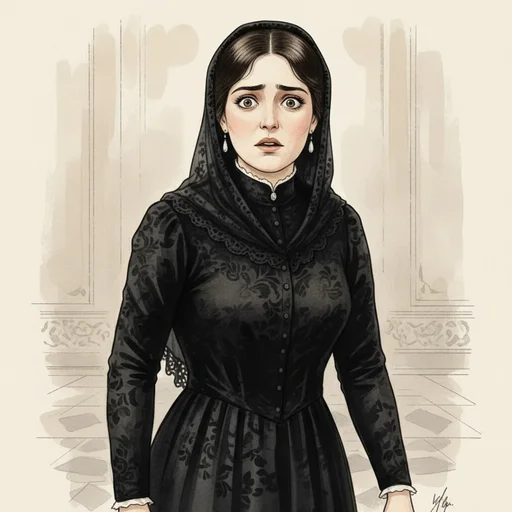
She is the Pasha's wife and Nüzhet's mother. She is a dominant figure who places great importance on material wealth and reputation. She supports Doctor Ragıp's interest in her daughter without reservation. To keep Nüzhet away from the narrator, she applies pressure by revealing that the young man's illness might be contagious ('Germs'), thus building a great barrier between them.