
Anonymous (Homer, Hesiod)
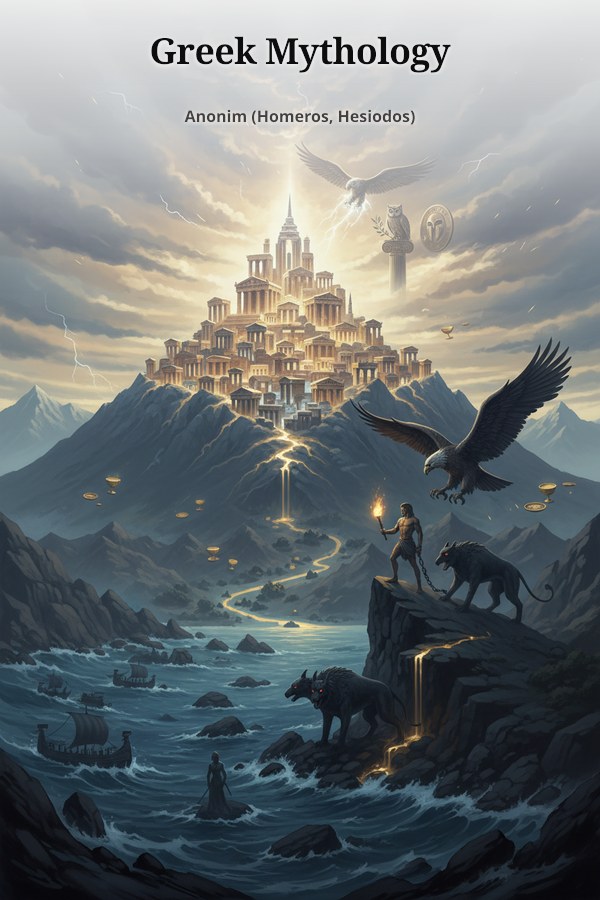
Greek mythology is a collection of epic stories that explain the belief system of Ancient Greece, the creation of the universe, and the human condition. The twelve major gods living on Mount Olympus are the primary powers shaping the world and human destiny. These gods, far from being perfect, possess deeply human passions, rages, and weaknesses. In the stories, alongside the power struggles among the gods themselves, their interactions with mortals occupy a significant space. Heroes fight monsters, face the wrath of the gods, or achieve impossible tasks with their help. Beyond giving meaning to natural phenomena, mythology provides moral lessons and emphasizes that hubris is always punished. Legends such as Prometheus stealing fire, the twelve labors of Heracles, and the abduction of Persephone by Hades are cornerstones of this rich narrative. This tragic and magnificent collision between the eternal and the mortal has profoundly influenced Western civilization for centuries.
The never-ending struggle for power, independence, and survival between humans and gods, among gods themselves, and for all beings against their inevitable fate (Moira).
Ancient Greece, Mount Olympus (home of the gods), The Underworld (Hades), the seas, the Caucasus Mountains, and the surface of the earth.
Antiquity (Age of Mythological Heroes)
An epic, tragic, supernatural, and dramatic atmosphere where divine and mortal worlds are intertwined.
Epic, didactic, at times deeply tragic, and mostly objective, yet with a tone that either glorifies or denigrates actions.
Gods are immortal and can shapeshift, but they are not omnipotent and possess human emotions. Fate (the Moirai) is superior even to the gods, and even Zeus struggles to interfere with it. There is a clear hierarchy between mortals and gods; those who show hubris toward the gods are inevitably subjected to divine wrath (nemesis).
The effort of Ancient Greek society to make sense of natural phenomena, human psychology, moral rules, and the functioning of the universe.
Characters are arranged at equal intervals on a circle; you can read the relationship type and dynamics by clicking on the lines.
Bir çizgiye tıklayarak ilişki detayını açın.
The relationship between Zeus and Hera is built on a power struggle and endless betrayals. While Zeus has numerous affairs, Hera usually punishes these betrayals through her husband's lovers and illegitimate children. The tension between them is great enough to shake all of Olympus. Nevertheless, they maintain their marriage for the sake of cosmic order.
The scene in the Iliad where Hera puts Zeus to sleep to interfere in the Trojan War demonstrates their cunning rivalry.
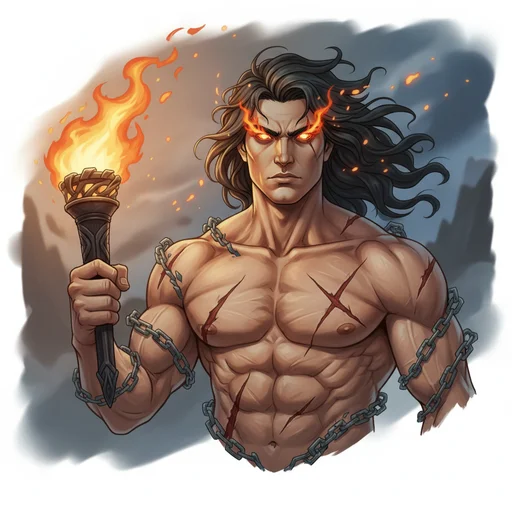
While Zeus represents authority and the divine order, Prometheus rebels against this authority for the sake of humanity's welfare. Prometheus stealing fire is a direct challenge to Zeus's power. Zeus does not forgive this insurrection and imposes an eternal, cruel punishment on him.
The punishment of Prometheus being chained to the Caucasus Mountains and having his liver eaten by an eagle every day.
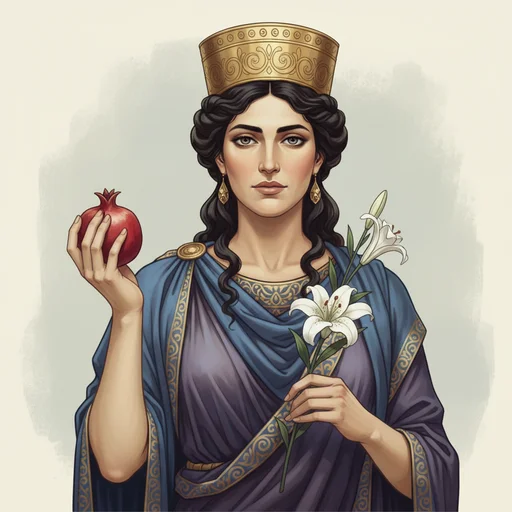
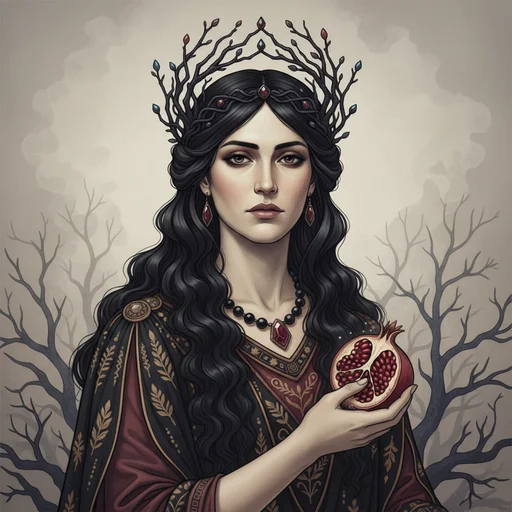
Starting with a violent act of abduction, the relationship eventually transforms into a partnership where darkness and light are balanced. Persephone becomes the feared queen of the Underworld. The duo exercises a fair but uncompromising rule in the underworld.
The legend of Hades binding Persephone to the underworld forever by making her eat a pomegranate seed.
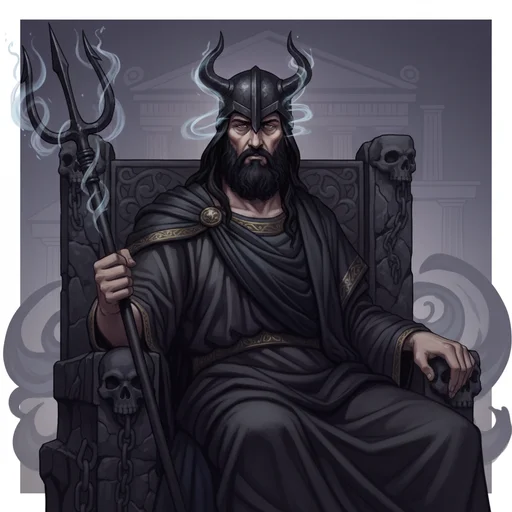
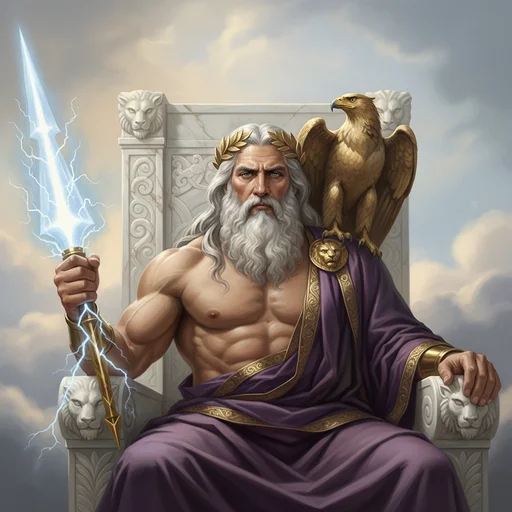
There is a distant respect between Zeus, who took the sky when dividing the universe, and Hades, who took the underworld. Neither interferes much with the other's domain. They represent the contrast between the joy of Olympus and the gloom of the Underworld.
Their dividing the world by lot after the War of the Titans (Titanomachy).
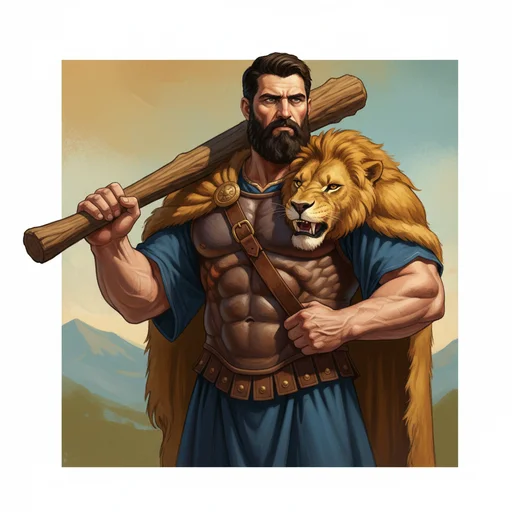
Hera hates Herakles, the living proof of Zeus's betrayal, to death. Throughout his life, she designs unimaginable tortures and tasks for him. However, paradoxically, this persecution is what allows Herakles to become the greatest hero.
Hera sending madness to Herakles, causing him to kill his own children.
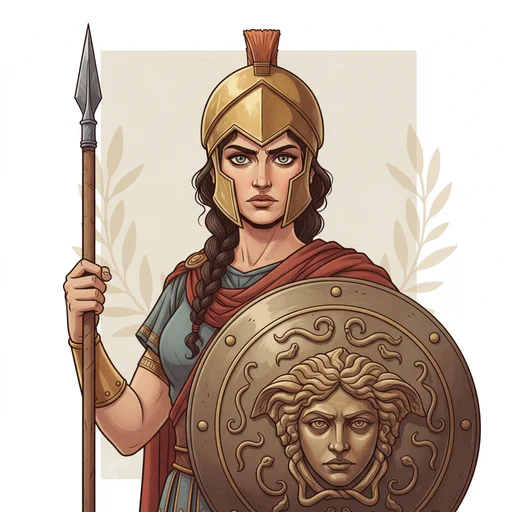
Athena is Zeus's favorite and most trusted child, serving as his right hand. Because she was born from her father's head, she reflects his intellect and strategic mind. Athena does not undermine Zeus's authority; rather, she protects and glorifies it.
The right to carry and use the Aegis, Zeus's shield, was granted exclusively to Athena.
Athena is the greatest divine supporter of her half-brother Heracles throughout his twelve labors. She provides him with intelligence and strategy where raw strength is not enough. Their relationship is based on mutual respect and divine patronage.
During the Labors of the Stymphalian Birds, Athena gave Heracles the bronze rattles forged by Hephaestus.
Zeus loves his son from afar and takes pride in his achievements, yet he refrains from interfering directly in the caprices of fate and the wrath of Hera. Heracles undergoes a painful journey to reach the grandeur of his father.
When Heracles was on his deathbed, Zeus brought him to Olympus and granted him immortality.