

Mother Earth — 9 karakter
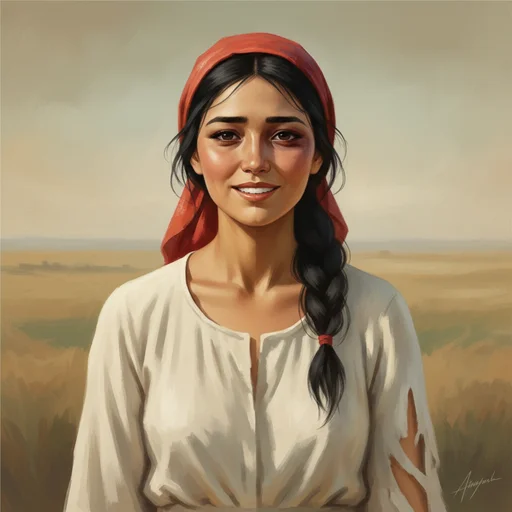
Aliman
Aliman is the smart, beautiful, and vibrant daughter-in-law who came from Tolgonay's mountain village. She is passionately attached to Kasım. The young girl who worked in the fields laughing and chirping with her husband during harvest time suffers a mental breakdown when her husband goes to war and the news of his death arrives. When her youth and loneliness do not allow her to wait desperately for Kasım's return, a great anger accumulates within her. As a widow, she succumbs to the pessimism brought by the war and has an affair with a shepherd passing near the village out of momentary emotions born of hopelessness. Even though the chastity of her marriage is overshadowed, Tolgonay does not judge her. However, as a result of the loneliness she experiences when her labor pains begin, she tragically dies in the middle of a stormy night while giving birth to her child on the road. Her fate is the most painful tableau of the women left behind by the war.
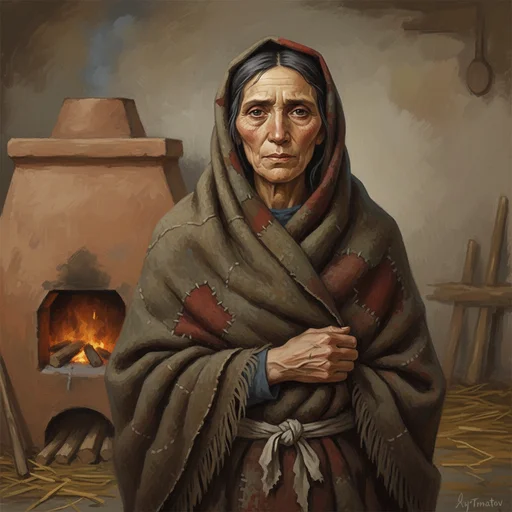
Aisha
Ayşe is Tolgonay's neighbor and her comrade during the most difficult years. Although she did not experience the war directly, she is a sickly but loyal village woman who has long tasted the tragedy of widowhood and being left alone at home in the wake of war. Having lost her husband before the war, she is experienced in suffering. Throughout the war, she is generous enough to give Tolgonay a sack of wheat she owned, and brave enough to look after and help her orphaned and desperate daughter-in-law when needed. Her life wears out at a very early age, but she leaves behind an honorable son like Bektaş.
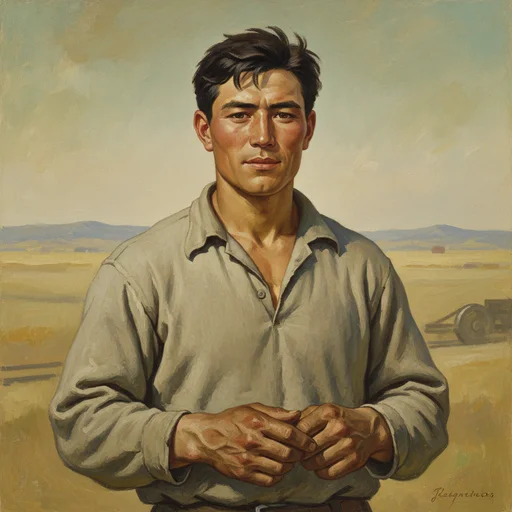
Bektaş
He is the son of the neighbor, Ayşe. With the weight brought by growing up fatherless and the necessities of war, he quickly matured from a child into a man like an old person. He runs to help them to the extent of becoming Tolgonay's spiritual son and becomes one of her closest supports in village affairs. He learns the combine harvester and becomes one of the cornerstones of the new intellectual generation growing up after the war. He is the most noble living shelter for the family, shown by his loyalty when Aliman goes to give birth in the mud in the middle of the night or when Kasım's bicycle rusts. Tolgonay remembers him with respect as Kasım's spiritual legacy.
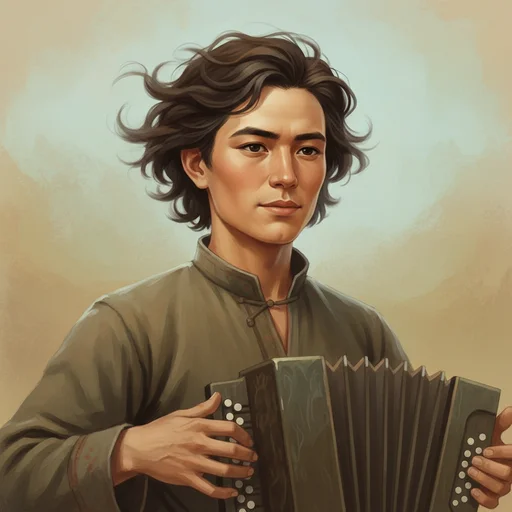
Caynak
He is the family's youngest son, blowing like the wind. As the Komsomol (Youth Branch) leader, he always keeps social solidarity and ideological consciousness high in the village. He runs more to meetings and wall newspapers than to the fields. Caught in the first effects of bringing the war news to the village, he matures suddenly, and his childish excitement gives way to a vengeful, adult seriousness. He is daring enough to risk his life on suicide/partisan missions behind enemy lines. As soon as he turns of military age, he runs to the front secretly so as not to put his remaining family through the pain of a great farewell; leaving behind only a letter, he is buried in eternity in the dark nights of the partisans.
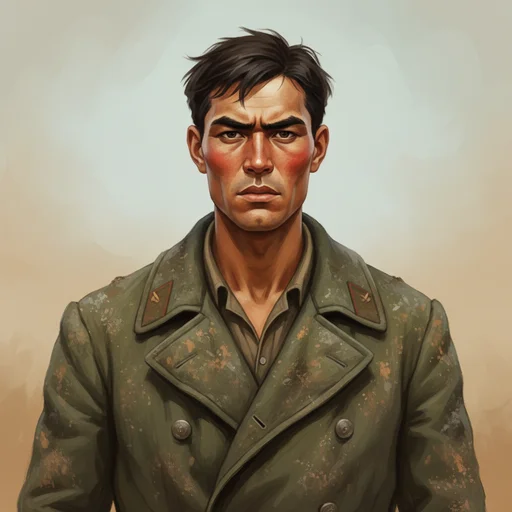
Kasım
Kasım is a young peasant who, following in his father's footsteps, has dedicated his life to new machines and crops. He is a master operator who brings a new breath to the fields as a tractor driver and combine harvester expert. He is young and excited; when he marries Aliman and steps into a new life, he thinks the future will be full of hope. However, the Second World War grips him as well. He works at the controls of the machines with superhuman effort until the very last moment of the harvest in the village. When the draft notice arrives, he has a desperate farewell scene with his wife Aliman. He dies heroically in the defense of Moscow. For Tolgonay, he forever remains a keepsake left behind by the proudest sounds of machinery.
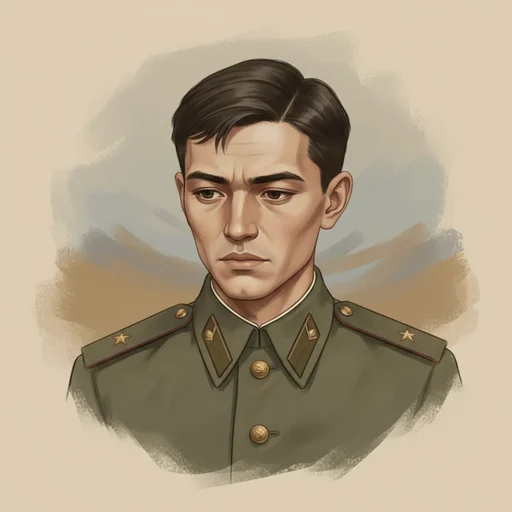
Maysalbek
Maysalbek is a mirror to how the reality of war sacrifices innocent lives. Tolgonay's middle son is a budding intellectual with a deep passion for books and reading, grasping life silently but wisely. He dreams of going to school in the city and becoming a teacher. When war breaks out, he considers it an honor to leave his education and defend his homeland. Although he cannot internalize the ugliness of war, he volunteers for suicide missions, saving hundreds of comrades and blowing himself up with the enemy arsenal. The farewell scene where he cries out to his family as his frontline train passes through the village is the most stinging image that haunts Tolgonay's heart for a lifetime.
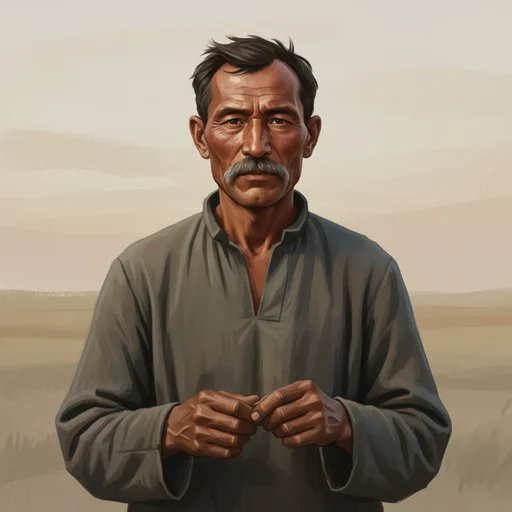
Suvankul
Suvankul is a strong father who has infused his soul with loyalty to his soil and labor. His path crossed with Tolgonay during the years when, possessing no wealth, he swung a sickle with only his bare strength. Throughout his life, he has been a pioneer of the village; although older, he learned to read and write from his children and earned the title of the man who brought the first tractor to the kolkhoz. As a leader who sows seeds in the field, Suvankul instills trust in the workers in every difficulty. On the day the war breaks out, he does not hesitate to sign up for the front despite his age. He loses his life while fighting for his country in the great Eletz battles, leaving behind his honorable legacy and the void he left for his family.
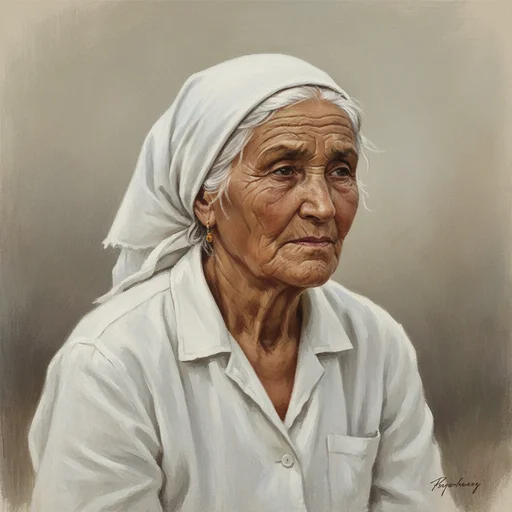
Tolgonay
Tolgonay is the formidable symbol of resilience, enduring the destruction of war and the most profound losses. She began her life as the daughter of a poor farmhand and, through the sweat she and her husband Suvankul poured into the land, shaped a large family and a bountiful collective farm (kolkhoz). When the Second World War broke out, she lost her husband—the center of her life—and her three sons one by one. With the men gone, she became the team leader, taking responsibility for the women and children left in the village. She fought against both literal hunger and a deep sense of loneliness. She was left entirely alone when her only daughter-in-law, Aliman, became pregnant from an extramarital affair and died during childbirth. Despite this, she did not turn her back on life; she embraced her grandson Canbolat and remained steadfast to build a good future for him. She sharpened her faith in future generations with the wisdom of Mother Earth.
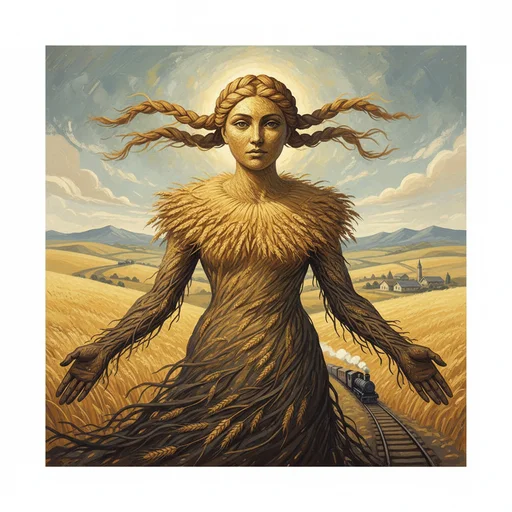
Mother Earth
Mother Earth, the both ageless and eternal witness of the novel, is the universal representative of the high will that bears the grief that mankind suffers due to wars. She is like a character integrated with Tolgonay. On every Memorial Day for the Dead, her voice is heard from the silence of the field; she heals the pain and tells of the eternity of life. She is a divine/ecological entity that loathes the murders of wars and confirms in the mirror of Tolgonay's soul that humanity needs kindness, sweat of the brow, and the creation of life.