

The Death of Ivan Ilyich — 7 karakter
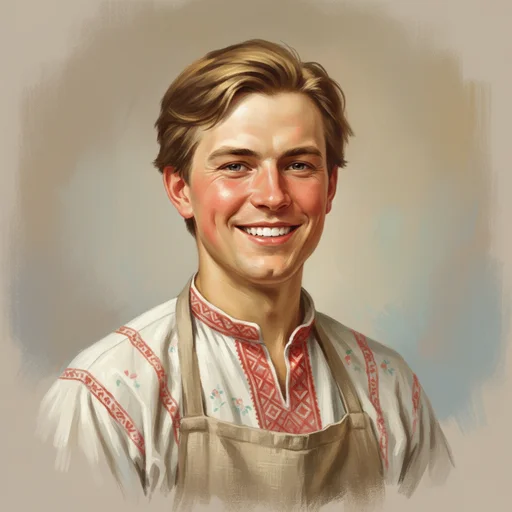
Gerasim
The young, peasant-born servant in Ivan Ilyich's house. He has not entered the gears of the fake bourgeois life in the city; he has not lost the honest, strong, and natural makeup of the village. He performs his job with enough compassion and courage to erase the loneliness and bodily shame that are Ivan Ilyich's greatest fears on his deathbed; he is not disgusted by cleaning excrement or by death.
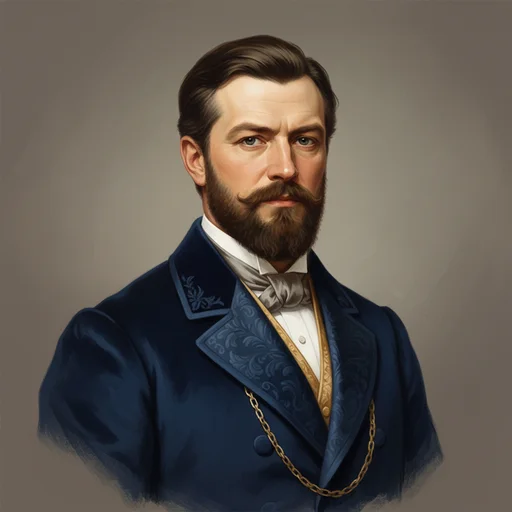
İvan İlyiç Golovin
A bureaucrat who entered an ordinary but bright civil service life after studying law. Until the time he passed away at forty-five, he tried to emulate perfectly that ideal, correct, honest, and reputable bourgeois life that 'everyone applauded.' At the height of his domestic life, which he had brought into line with his success in the service and increasing income, he fell off a ladder while hanging curtains in his newly purchased house. The simple blow to his side gradually turned into a lethal affliction, an incomprehensible melting away. During his illness, the fakeness of his family began to stand out to him; along with the physical agony he endured, he discovered how false and meaningless his life actually was.
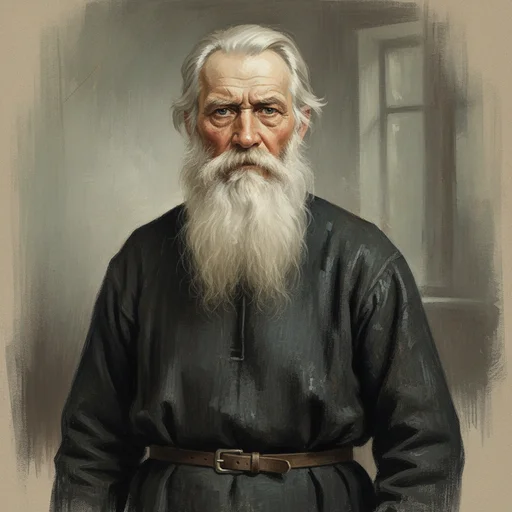
Lev Tolstoy
Leo Tolstoy was born in 1828 at Yasnaya Polyana, the family estate near Tula, into an old aristocratic line. He lost his mother before he turned two and his father when he was nine, and was raised by relatives. At Kazan University he studied Oriental languages and then law, but left without a degree and returned to the family land. Yasnaya Polyana remained the place he would keep coming back to all his life. In 1851 he joined an artillery brigade and went to the Caucasus; the years of service drew him toward writing. His first book, Childhood, appeared in the journal Sovremennik in 1852 and made his name; Boyhood and Youth followed. During the Crimean War he was present at the siege of Sevastopol, and the Sevastopol Sketches that came out of it drew attention for a view of war stripped of all heroic ornament. In 1859 he opened a school for peasant children on his estate. In 1862 he married Sofya Andreyevna Bers; they had thirteen children. War and Peace, and then Anna Karenina, were written in these years. The crisis of faith that followed Anna Karenina he described in A Confession, turning toward a doctrine that rejected property, the church and the violence of the state. In 1901 the Russian Orthodox Church excommunicated him. In the late narratives The Death of Ivan Ilyich and Hadji Murad he brought to its densest form his method of accumulating detail until a person's inner world opens. His narration, seeping into the consciousness of his characters, changed the measure of what a novel can do; his idea of resistance without violence found an echo beyond Russia and reached as far as Gandhi. In the autumn of 1910 he left home in secret, fell ill on the road and died at Astapovo station. Hadji Murad was published after his death.
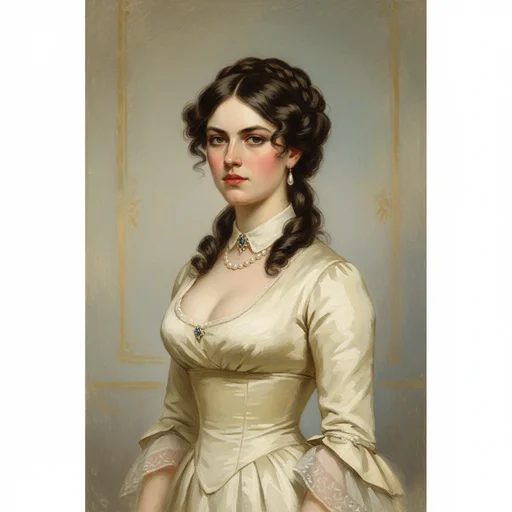
Liza (Lizanka Golovina)
Ivan Ilyich's only, healthy, young daughter. Engaged to a wealthy judge named Petrishchev, she is lost in her own rosy world. The sickness spreading through the house feels to her like an irritating, disgusting, and sinister punishment that casts a shadow over her youthful spring.
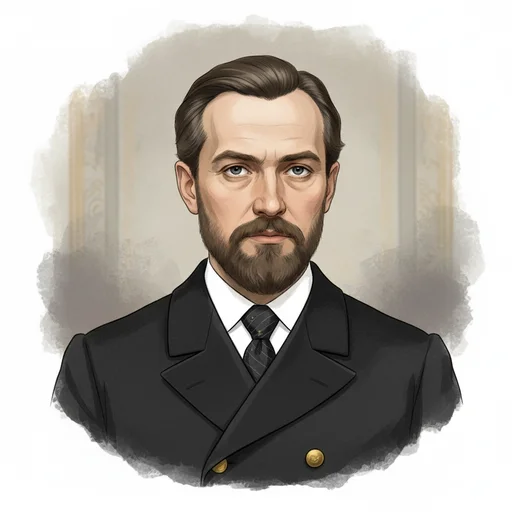
Piotr İvanoviç
A friend of Ivan Ilyich whom he has known since the Pravovedeniye law school. The character who goes to Ivan's house after he dies, attends the funeral, and surveys the surroundings. He represents the man who, even on duty, pursues fake and bourgeois interests, considering his own politics even behind the back of the deceased.
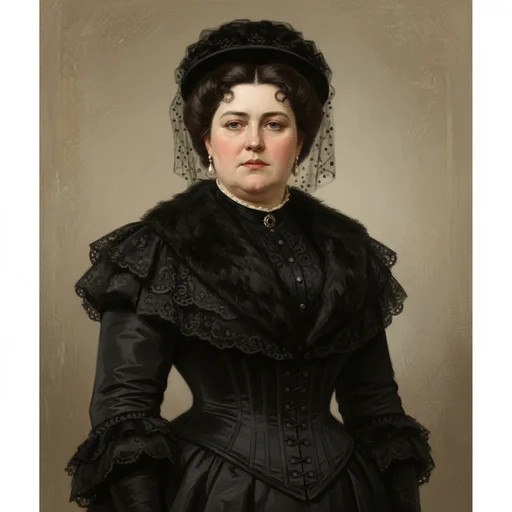
Praskovya Fedorovna Golovina
Ivan Ilyich's wife. Though once an attractive and respectable woman, after successive pregnancies and the loss of children, she has become nervous, hypochondriacal, and vain. She cares for her husband's livelihood, her daughter's engagement, and the prestige of the home. She treats her husband's fatal illness like a crude blunder that disrupts her routine, effectively accusing him of laziness and deliberate crankiness.
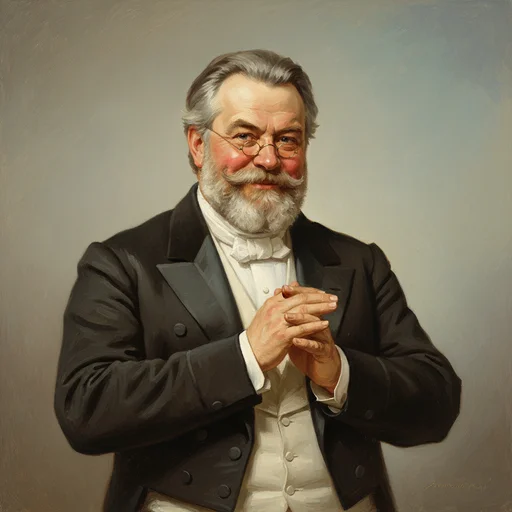
Celebrated Doctor
One of the arrogant Petersburg physicians called to find a cure for Ivan Ilyich's ailment, who never concerns himself with the patient's suffering but rather aims to solve a scientific puzzle by asking, 'is it this organ or that disease?' He is an abstract mirror of the cold mechanism Ivan once applied to criminals in his career, now applied to Ivan himself through his health.