
Namık Kemal
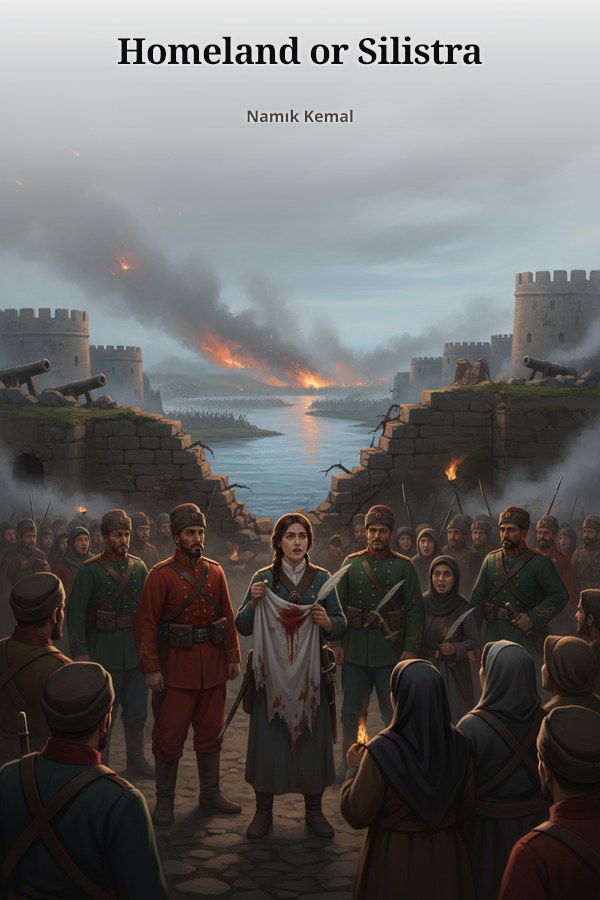
Vatan Yahut Silistre is the name of the first staged domestic theatrical work in Turkish literature, written by Namık Kemal in 1872, which embodies romantic theater. The work centers on the heroism of Ottoman soldiers defending Silistre Fortress during the Crimean War and the theme of patriotism.
Externally, it is the struggle of a small number of Ottoman forces defending the Silistre fortress against a massive enemy (Russian) army. Internally, it is a struggle of the will—emotional yet decisively firm—faced by individuals between their personal loves and their duty to die for the homeland.
While the first scene of the play takes place in an ordinary room in Manastır, the majority of the remaining action occurs in the defense ramparts of Silistre Fortress along the Danube River, amidst a backdrop of war and siege.
The Crimean War years (circa 1853-1854, the period of the Siege of Silistre).
An epic and dramatic atmosphere dominated by theatrical fervor and impassioned oratory, where romance and unwavering faith are felt even in the shadows of death and war.
A theatrical (drama) narrative that progresses not through an external narrator, but directly through the high-pitched oratory, monologues, and mutual dialogues of the characters.
In this universe, the highest value is the homeland; personal love, parent-child bonds, or the desire for physical survival must be secondary to the defense of the homeland. Giving one's life for the sake of the homeland is considered the most honorable rank. Military honor is a virtue superior to rank or personal error.
A cultural environment in the 19th-century Ottoman Empire, a period facing the danger of disintegration, where the concept of 'homeland' in the Western style, born of the Tanzimat era, was combined with the Islamic concept of 'martyrdom' to instill morale and national consciousness in the public.
Characters are arranged at equal intervals on a circle; you can read the relationship type and dynamics by clicking on the lines.
Bir çizgiye tıklayarak ilişki detayını açın.
While initially there is a classic sorrow where the man goes to war and the woman is left to wait, they transform into equal heroes fighting side-by-side as Zekiye breaks taboos and rushes to the front. It is a passionate bond where love for the homeland further elevates personal love.
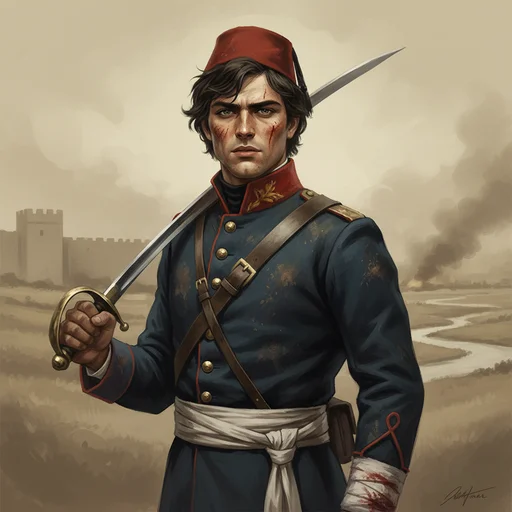
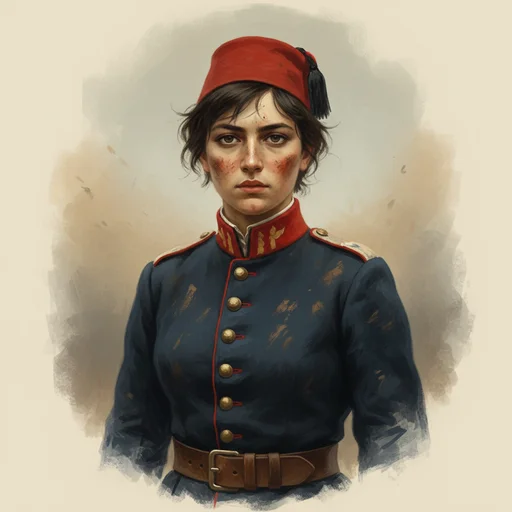
Zekiye voluntarily joining Islam Bey's front (under the name 'Adem') while dressed as a man and taking up arms.
For most of the play, Sidki Bey approaches him with protective instincts and affection, believing him to be a young, delicate soldier (Adem). They share an intuitive, unbreakable bond. In the finale, Zekiye's true identity is revealed, as is the fact that she is Sidki's long-lost daughter.
The dramatic reunion in the final scenes where Zekiye tells Sidki Bey about her father Ahmed, and it is realized that the Colonel is indeed that man.
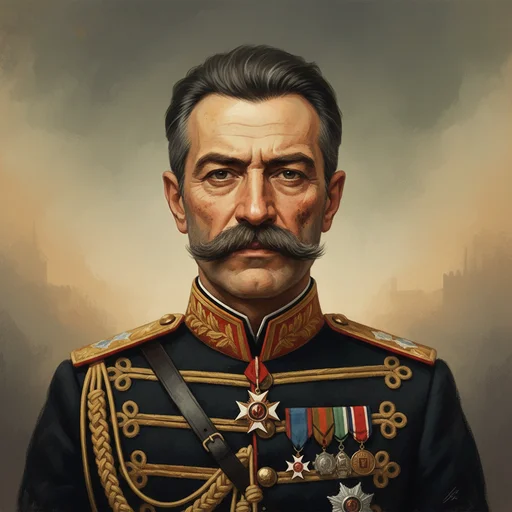
Commander Sidki Bey initially enforces a cautious military hierarchy against the young and excitable Islam Bey, but begins to feel immense respect and paternal affection toward him in the face of the young man's fearlessness.
Sidki Bey kissing Islam Bey on the forehead with spiritual pride before he departs for a difficult secret mission.
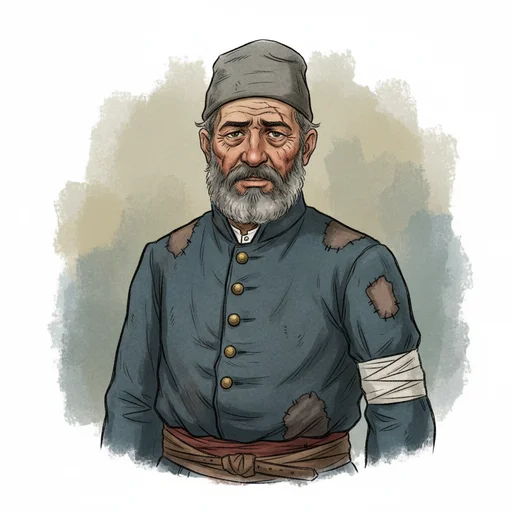
The Sergeant obeys his commander unconditionally, but this is not merely a military necessity; it is a deep trust forged over the years, a camaraderie of the front, and standing shoulder-to-shoulder.
Sidki Bey constantly entrusting tasks to Sergeant Abdullah regarding critical defensive decisions for the fortress or monitoring the morale of the soldiers.
The coming together of an idealistic youth who volunteered for the war and an older, hardened soldier. They approach each other with respect and affection; a fraternity of action emerges between them that transcends rank.
Abdullah carrying and rescuing the wounded Islam Bey during a night operation where they infiltrated the enemy position together.
Beyond being equals in rank, this is a balanced and secret-based friendship where Rustem Bey supports Sidki despite knowing his dark past (that he is Ahmed Bey).
Upon learning the backstory, instead of reporting Sidki, Rustem shakes his commander's hand with respect and calls him 'my lion brother'.
Hanife is the only parental figure who has protected and watched over her since infancy, but Zekiye displays a radical break, leaving behind this secure protection under the fire of love and the fervor for the homeland.
Zekiye deceiving Hanife when leaving home to escape to the war front and leaving her behind.
The clash between the mentality that suggests surrendering the fortress to the enemy and the commander's mentality that considers dying for the homeland the greatest reward. Sıdkı responds to this idea with absolute rage and suppression.
Sıdkı Bey threatening those who propose surrendering the fortress with death by saying, 'I will shoot anyone who utters the word surrender.'