

The Fall of Leaves — 8 karakter
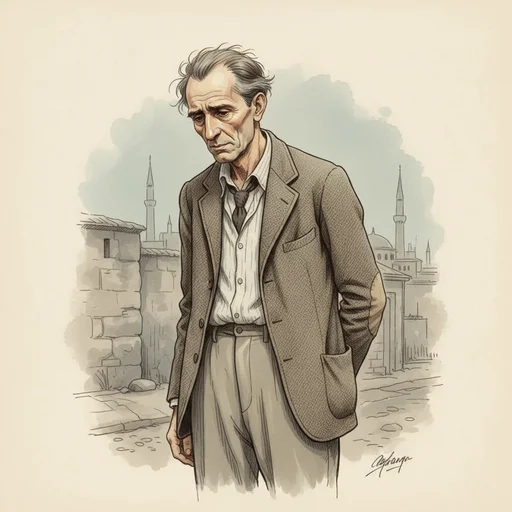
Ali Riza Bey
Een voormalig districtsgouverneur (mutasarrıf) en ambtenaar die het leven in ere tot zijn motto had gemaakt. Na zijn pensionering streeft hij ernaar weerstand te bieden aan het morele verval om hem heen en begint hij te werken bij de Altın Yaprak Naamloze Vennootschap, maar neemt ontslag omdat hij de immoraliteit van zijn baas niet door de vingers kan zien. Deze eervolle houding ontketent de economische ondergang van zijn gezin. Na zijn ontslag verliest hij stap voor stap al zijn autoriteit door de wens van zijn opgroeiende kinderen voor een luxueus en modern leven, de ophitserij van zijn vrouw Hayriye Hanım en de gevangenneming van zijn oudste zoon Şevket. Niet in staat om de schandalen die zich in zijn huis afspelen te verdragen, kijkt hij hulpeloos toe hoe zijn kinderen als bladeren van hem afvallen. Tegen het einde van de roman krijgt hij een beroerte (verlamming), wordt hij ziek, verliest hij al zijn koppige moraliteit en stemt hij in met een afhankelijk leven in het luxe huis van zijn 'gevallen' dochter Leyla. Hij is een tragisch figuur die het slachtoffer is van zijn eigen eerlijkheid.
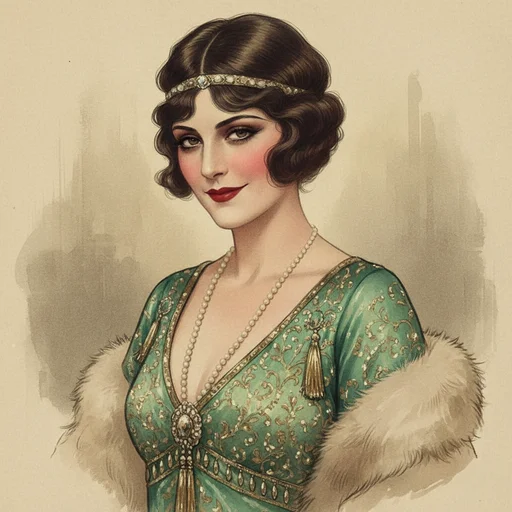
Ferhunde
She is a former company typist who is thought to have escaped the brink of a life of vice with the compensation and aid she extracted from her father's company manager, Muzaffer, before eventually being married to Şevket. However, from the day she arrives as a bride, she tears the household apart. She drains Şevket's blood with her obsession with society life, invitations, luxury, and ostentation. She abandons her husband, who goes to prison for committing theft to keep up with her expenses, without the slightest bit of pity. Throughout the novel, she plays the role of the microbe of immoral, parasitic, and corrupt modernization that infiltrates the family.

Fikret
Ali Rıza Bey's eldest daughter. She is intelligent and loves reading, but because of a physical defect (a blemish on her eye), she falls behind her sisters in beauty, which leads her to choose a dignified and mature path from an early age. She stands by her father against the family's corruption and her mother's mistakes, but she also criticizes her father's weakness. To escape the 'hell' at home, she marries an older widower with three children (Tahsin Bey) and moves to Adapazarı. Unfortunately, she does not find what she was looking for there either and is dragged into a different form of hell: never-ending fights with her new husband's family; however, out of pride, she does not return to her father.
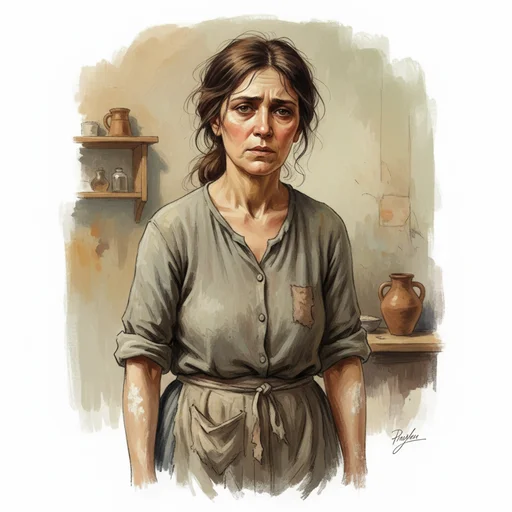
Hayriye Hanım
Ali Rıza Bey's wife. While she is an obedient Ottoman woman who respected her husband and managed the house at the beginning of the novel, she undergoes a radical change as poverty and deprivation knock at the door. She cannot tolerate her children going hungry and suffering because of her husband's honor, which she finds exaggerated. This fear turns her into a nervous, rebellious, and materialistic person. She covers up her daughters' desires for luxury and breaks her husband's resistance. Ultimately, she prefers the comfort coming from Leyla's immoral earnings over the honest but starving days of her former life and moves in with Leyla.

Leyla
One of the middle and most beautiful daughters of Ali Rıza Bey. She is excessively fond of the Westernized lifestyle of the period, luxury, and entertainment. She views her family, suffocating in poverty, as a burden to be discarded. She uses her beauty and femininity as a tool to reach the life she desires. Although she is briefly engaged to a fake Syrian (Abdülvehhap), she loses this chance due to her sister's schemes. Ultimately, she sells all her honor to become the mistress of a rich, married, and ugly lawyer. She goes so far as to have her father evicted from the house; yet, in the end, she transforms into the corrupt 'savior' who provides everyone in her family (including her father) with a life of luxury by buying them off.

Necla
One or two years younger than Leyla, she is a sister who resembles her greatly in both appearance and frivolity. She knows no bounds in her desire to escape poverty and attain a wealthy life. When she realizes that Leyla's fiancé, Abdülvehhap, has a roving eye, she seduces him without a shred of remorse, has a major falling out with Leyla, and marries him to move to Syria. However, the game does not turn out as she expected; while she thought she would build a life of luxury and monogamy as a princess in Syria, she ends up in a dilapidated house in the desert, surrounded by too many stepchildren and mired in poverty.
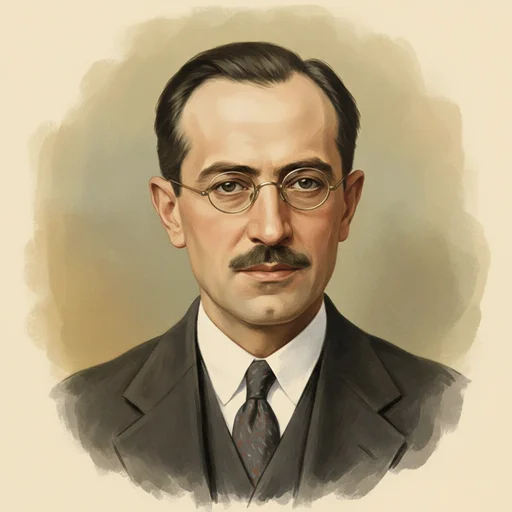
Reşat Nuri Güntekin
Reşat Nuri Güntekin werd in 1889 geboren in Üsküdar, aan de Aziatische kant van Istanbul. Zijn vader, İbrahim Nuri Bey, was militair arts; zijn moeder heette Lütfiye Hanım. Doordat de vader telkens werd overgeplaatst, verhuisde de jeugd van de zoon van stad naar stad: de lagere school begon hij in Üsküdar en maakte hij af in Çanakkale, het middelbaar onderwijs volgde hij in Çanakkale en İzmir. In 1912 studeerde hij af aan de letterenafdeling van de Darülfünun in Istanbul, de huidige universiteit van de stad. Hij begon als leraar Frans in Bursa en gaf later literatuur en opstel aan Istanbulse scholen. Kritieken en verhalen die hij onder schuilnamen in tijdschriften publiceerde, brachten hem tot het schrijverschap. ‘Çalıkuşu’ (‘Het winterkoninkje’) had hij eerst als toneelstuk geschreven, onder de titel ‘Het meisje uit Istanbul’; toen het niet opgevoerd kon worden, maakte hij er een roman van. Het boek verscheen in 1922 als krantenfeuilleton en maakte zijn naam in één klap bekend bij een breed publiek. Zijn benoeming tot inspecteur van het ministerie van Onderwijs in 1931 bepaalde de rest van zijn leven; de Anatolische stadjes waar hij jarenlang doorheen reisde, leverden stof voor zowel ‘Anatolische notities’ als zijn romans. In ‘Bladval’, uit 1930, beschreef hij het uiteenvallen van een ambtenarengezin onder een veranderend leven. Van 1939 tot 1946 was hij afgevaardigde voor Çanakkale, keerde daarna terug naar het inspectiewerk en vertrok in 1950 naar Parijs als vertegenwoordiger van Turkije bij de Unesco. Hij schreef een onopgesmukt Turks, dicht bij de spreektaal. De mensen van Anatolië tekende hij niet van een afstand maar van binnenuit, en zijn maatschappijkritiek legde hij in een aangrijpend verhaal; hij geldt als een van degenen die de Turkse roman openden voor de provincie. In 1954 ging hij met pensioen. Hij stierf op 7 december 1956 in Londen, waar hij heen was gegaan voor een behandeling van longkanker, en werd begraven op de Karacaahmet-begraafplaats in Istanbul.

Şevket
He is Ali Rıza Bey's eldest son, in his twenties. He takes the emotional and financial burden of the family on his shoulders at a young age and starts working as a clerk at a bank. At first, he is a noble-spirited and promising young man, much like a copy of his father. However, the increasing misery of the family and the insatiable desire for luxury of his new wife, Ferhunde, wear Şevket down. He struggles beyond his means to both keep the family together and make his wife happy; when he hits a dead end, he sacrifices his honesty by embezzling money from the bank. He is caught and goes to prison; this disaster paradoxically becomes his salvation, protecting him from the exploitation and destruction at home.