
Author · 3 works
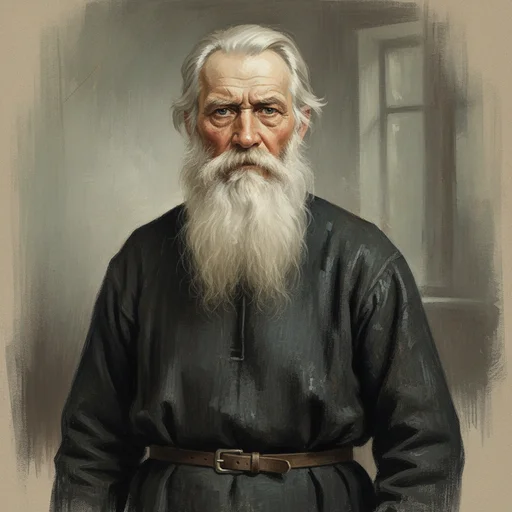
Leo Tolstoy was born in 1828 at Yasnaya Polyana, the family estate near Tula, into an old aristocratic line. He lost his mother before he turned two and his father when he was nine, and was raised by relatives. At Kazan University he studied Oriental languages and then law, but left without a degree and returned to the family land. Yasnaya Polyana remained the place he would keep coming back to all his life.
In 1851 he joined an artillery brigade and went to the Caucasus; the years of service drew him toward writing. His first book, Childhood, appeared in the journal Sovremennik in 1852 and made his name; Boyhood and Youth followed. During the Crimean War he was present at the siege of Sevastopol, and the Sevastopol Sketches that came out of it drew attention for a view of war stripped of all heroic ornament.
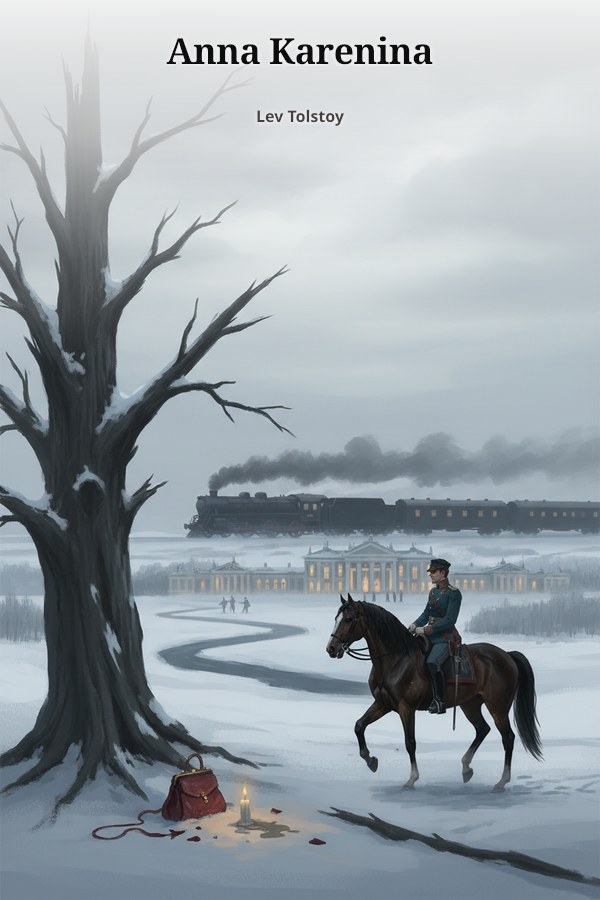
In 1859 he opened a school for peasant children on his estate. In 1862 he married Sofya Andreyevna Bers; they had thirteen children. War and Peace, and then Anna Karenina, were written in these years. The crisis of faith that followed Anna Karenina he described in A Confession, turning toward a doctrine that rejected property, the church and the violence of the state. In 1901 the Russian Orthodox Church excommunicated him.
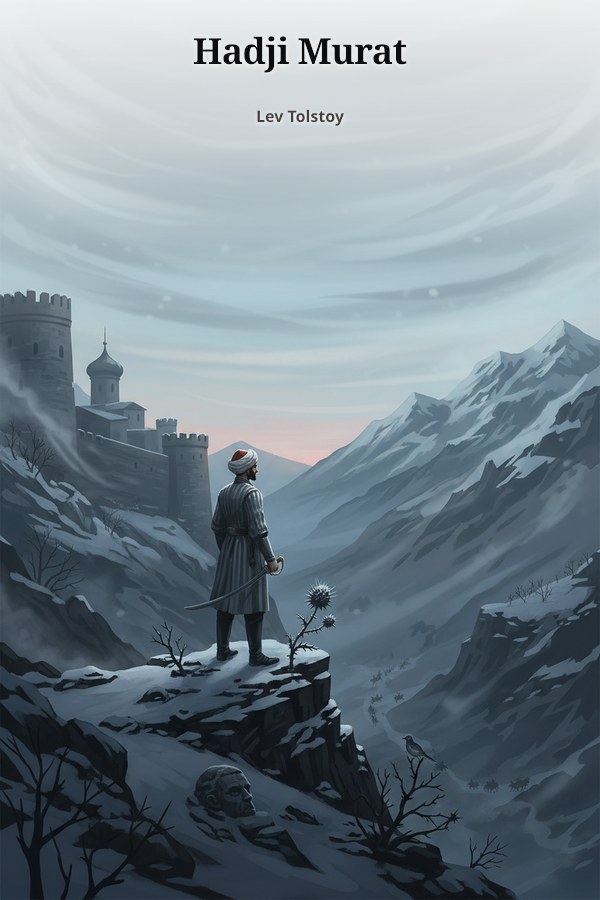
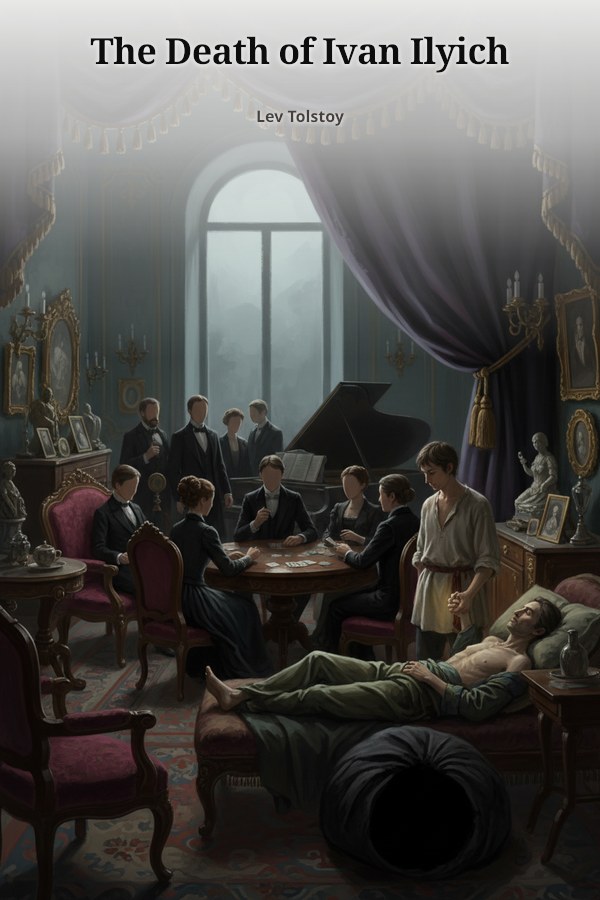
In the late narratives The Death of Ivan Ilyich and Hadji Murad he brought to its densest form his method of accumulating detail until a person's inner world opens. His narration, seeping into the consciousness of his characters, changed the measure of what a novel can do; his idea of resistance without violence found an echo beyond Russia and reached as far as Gandhi. In the autumn of 1910 he left home in secret, fell ill on the road and died at Astapovo station. Hadji Murad was published after his death.
Tolstoy wrote in the decades when realism was shaping Russian literature. The abolition of serfdom in 1861 sharpened the quarrel over whether Russia should follow the West or take a road of its own; in journals such as Sovremennik, radical intellectuals and writers of noble birth shared the same pages. The novel became the ground on which social questions were tested. In his last thirty years Tolstoy stood at the centre of that quarrel with a moral teaching that denied the authority of church and state.