
Author · 3 works
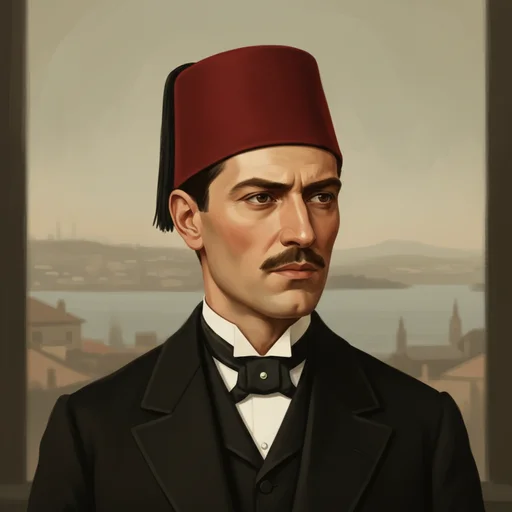
Namık Kemal was born on 21 December 1840 in Tekirdağ. His father, Mustafa Asım Bey, would later become chief astrologer at the imperial court; his mother, Fatma Zehra Hanım, died when the boy was eight. He spent his childhood trailing his grandfather Abdüllatif Paşa from one provincial post to the next, along a route that ran from Kars to Sofia. He never attended school regularly, learning Arabic, Persian and Divan poetry from private tutors. He took the pen name "Namık" in Sofia, from a poet who admired his verses.
As a young man he settled in Istanbul and entered the Translation Office, where the French he polished opened a door onto Europe. The real turn came in the early 1860s, when he met Şinasi. He abandoned the moulds of Divan poetry for journalism, and when Şinasi left for Paris he took over the editorship of Tasvir-i Efkâr, writing the articles that planted words like liberty, homeland and nation in Turkish.
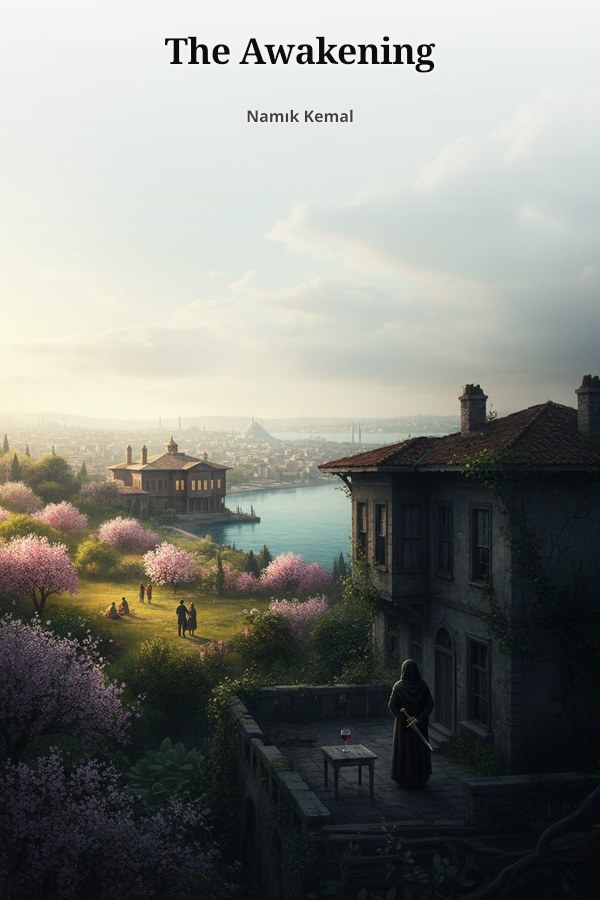
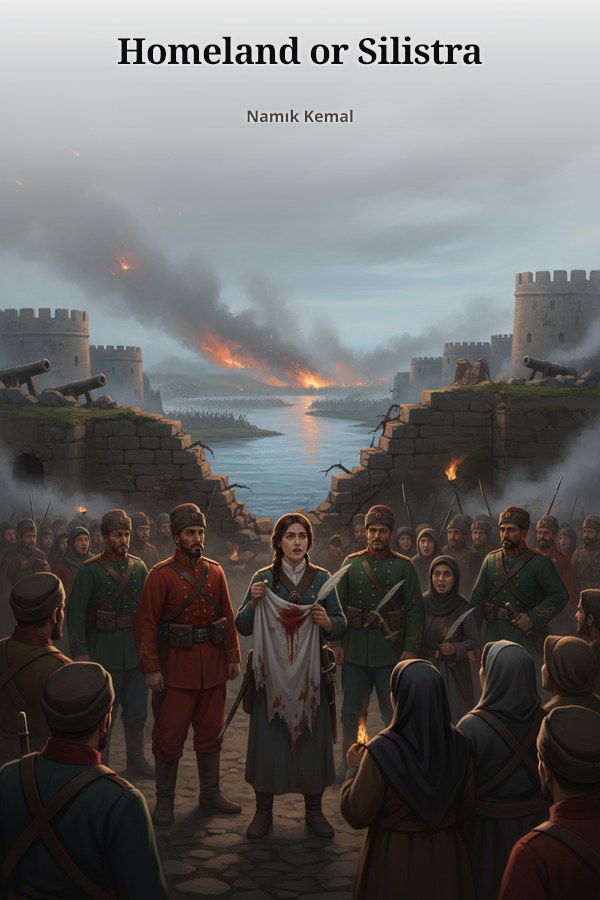
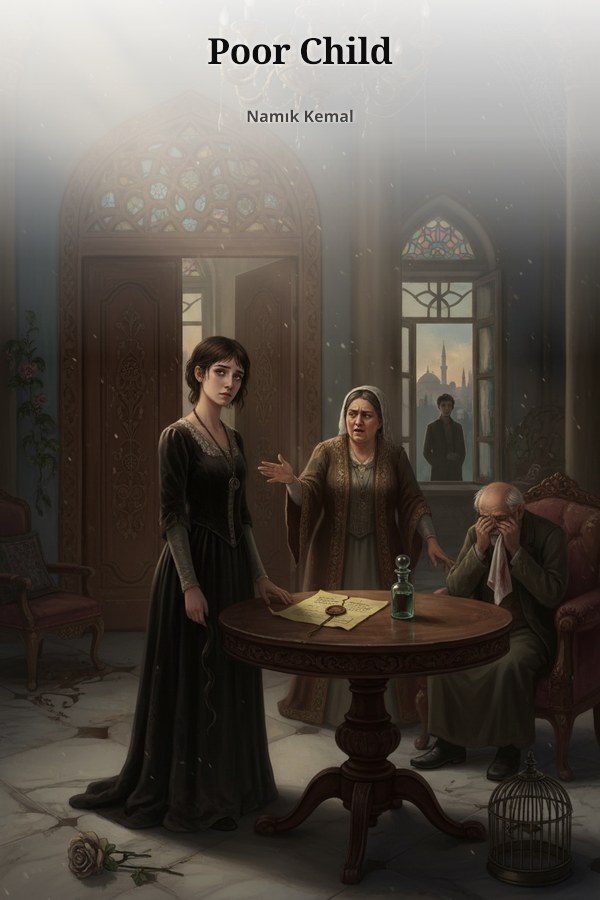
Joining the Young Ottomans brought heavier pressure; in 1867 he fled to Paris, then in London brought out the newspaper Hürriyet with Ziya Paşa. He returned in 1870 and founded İbret. When Homeland or Silistria was staged in 1873 and the audience's enthusiasm spilled into the streets, he was exiled to Famagusta without trial. The thirty-eight months in that fortress were his most productive: The Poor Child, Akif Bey, Celaleddin Harzemşah and The Awakening were all written there.
He treated art as a means of rousing society, dropping ornate Divan prose in search of a language his readers could follow. The Awakening is regarded as the beginning of the Turkish novel, and his plays as the beginning of Western-style drama in Turkish. After 1876 he governed Lesbos, Rhodes and Chios. He died on Chios on 2 December 1888 and, as he had wished, was buried at Bolayır beside the tomb of Süleyman Paşa.
He wrote with the second Tanzimat generation, in years when debt and territorial loss were shaking the empire and the demand for a constitution was rising against absolute rule. Namık Kemal stood at the centre of that movement: it made literature a political instrument, took up the newspaper as a new genre, and carried the French novel and play into Ottoman writing. Plain language against Divan ornament, art for the people against court letters: the quarrel sharpened exactly then.