

Apology of Socrates — 7 karakter
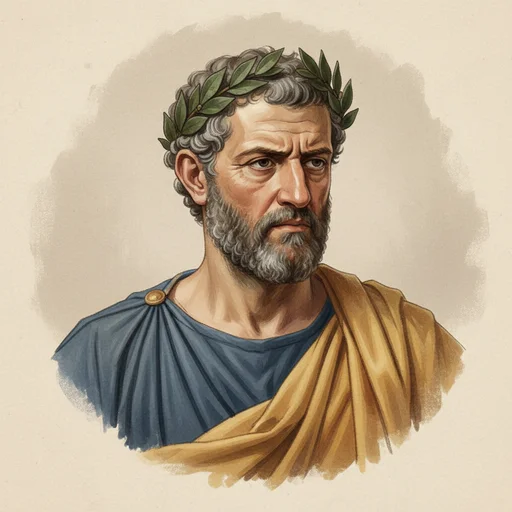
Euthyphro
A traditional Athenian priest and interpreter of religion who claims to be an expert on piety. He has taken his own father to court, believing he committed indirect murder by leaving a slave to perish. He attempts to explain the meaning of piety to Socrates, but Socrates dismantles his arguments with every attempt.
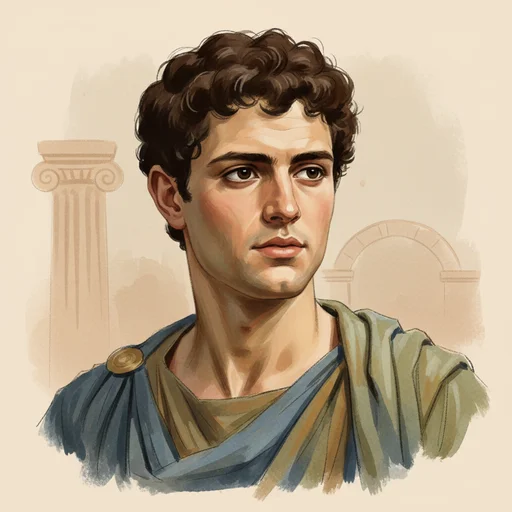
Cebes
The other powerful debater of the Phaedo dialogue. Like Simmias, he has come from Thebes. While he respects Socrates, he poses powerful questions regarding claims that the soul will exist forever. His argument (that the soul may weave and wear many bodies like a weaver, but could eventually be exhausted) allows the argument to reach metaphysical analyses.
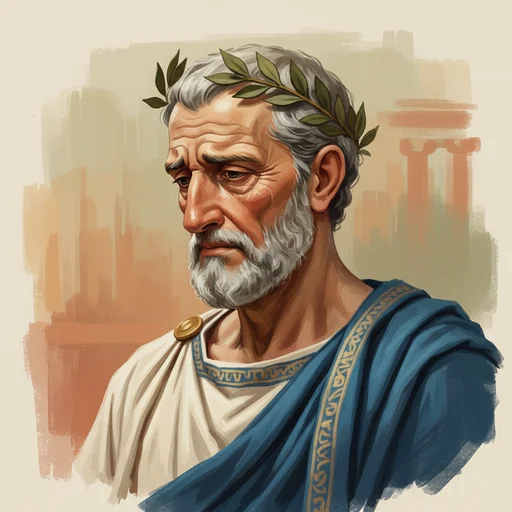
Crito
Socrates' peer/childhood friend from the same deme, wealthy and extremely loyal to him. He was one of those who stood bail for Socrates at the trial and arranged serious bribes and networks to help him escape from prison after the conviction. However, he acts more out of the emotional and practical needs of friendship than philosophy.
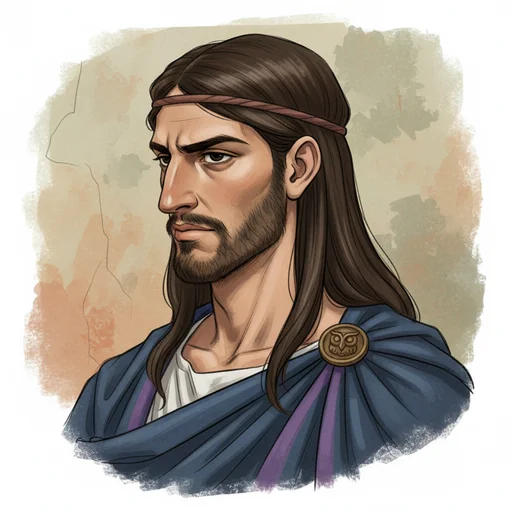
Meletus
The main accuser who formally charged Socrates in Athenian courts with impiety (not believing in the city's gods and inventing new ones) and corrupting the youth. He is an obscure poet and shows that his arguments are shallow when cross-examined by Socrates in a philosophical context.
Phaedo
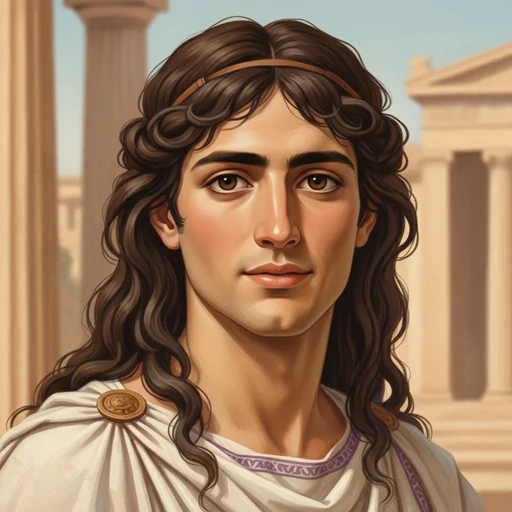
The young student who was with Socrates at the moment of his death and who conveys this painful yet spiritually noble event to others, primarily Echecrates. His external perspective provides us with the account of Socrates' final hours.
Simmias
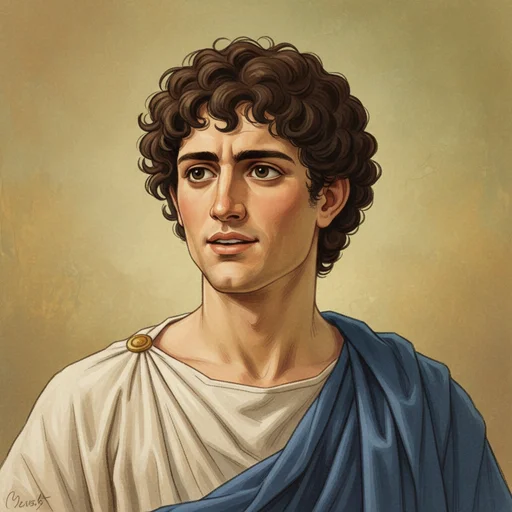
An intelligent Theban philosopher who discusses deeply with Socrates on the argument for the immortality of the soul. He is influenced by Pythagorean doctrines. At the critical moment of the event, he triggers a philosophical crisis by claiming that the soul could merely be an 'harmony' between the elements of the body, and therefore, with the destruction of the body, the soul (the harmony) would also be broken.
Socrates
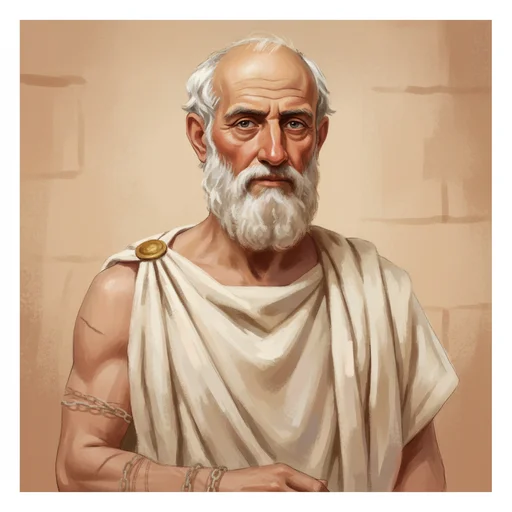
A legendary Athenian philosopher who lived in the 5th century BC and shifted philosophy from the heavens to the earth, focusing on morality and human behavior. He disregarded all his wealth, status, and physical comfort to invite people to think rightly and nurture their souls with virtue. He never considered himself a 'teacher'; he was merely an eternal student seeking the truth in the status of a 'gadfly.' He was sentenced to death in a court where he stood trial on charges of not believing in the gods of the city and corrupting the youth. Out of respect for the laws, he refused to escape.