

Republic — 6 karakter
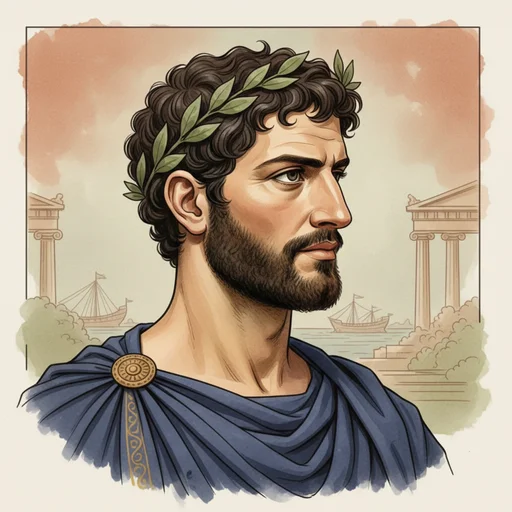
Adeimantus
Brother of Plato and Glaukon, he is one of the main listener-allies in the dialogue. Beside Glaukon's fiery and excessive theoretical attacks, Adeimantos, as a balancing force, deals with highly practical, cultural, and institutional issues such as society, censorship, poetry, the happiness of the people, how the guardians of the state should live, artistic formation in education, and the permanence of order in the state. By giving critical warnings to Socrates while banishing poets and establishing communal marriage, he ensures the text establishes laws of morality and literature.
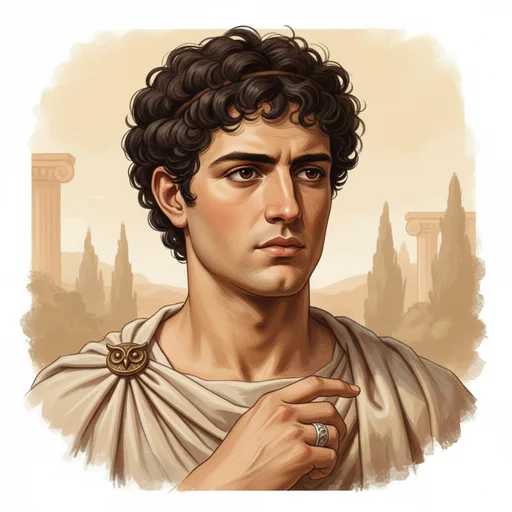
Glaucon
Plato's real-life older brother and one of the main carriers bearing the intellectual weight of this dialogue. He is the person who respects Socrates the most but also presses him the most ruthlessly in his answers. By nature, he is a noble aristocrat and intellectual. Just to make the argument more challenging, he takes on the thesis that injustice secretly brings more happiness (citing the Ring of Gyges as an example). He builds an ideal state structure with Socrates, specifically a barracks-state utopia where there is no private property or marriage.
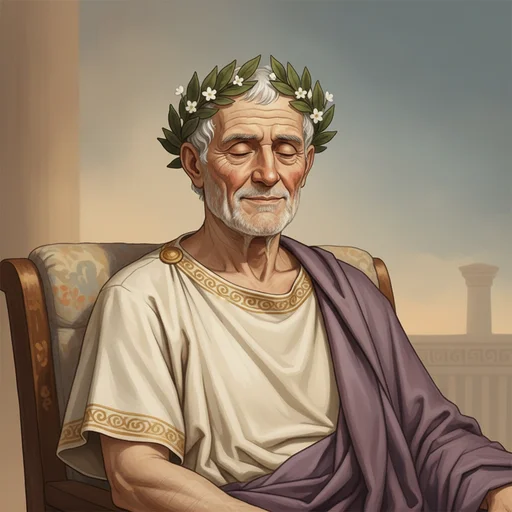
Cephalus
The figure encountered upon arriving at the house in Piraeus at the beginning of the dialogue, which leads to the discussion. An old and very wealthy man, Cephalus represents the generation that is about to die and fears the torments of Hades (the afterlife) with traditional religious belief. He sees the benefit of money as being able to die in peace without owing anyone and being able to worship. Socrates shakes his deduction that 'justice is returning what is entrusted'. Cephalus smiles and returns to the stage of religious rituals.
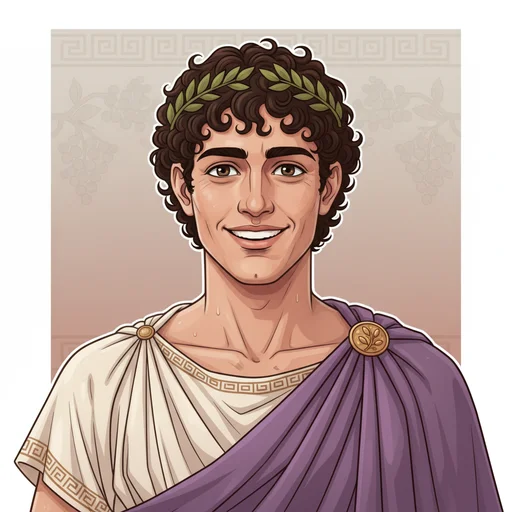
Polemarchus
Son of Cephalus. He is the cheerful and stubborn host who insists on bringing Socrates home at the beginning of the dialogue. With his father withdrawing from the discussion, he takes over his father's poetic conception of justice (from Simonides), described as 'doing good to friends and harm to enemies.' However, when Socrates presents the argument that 'due to misperception, a person can harm both friends and enemies alike' through wisdom and analogies, he becomes stalled and immediately acknowledges his contradiction.
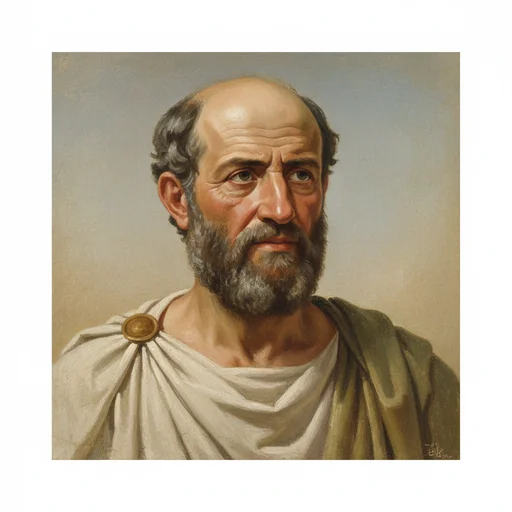
Socrates
Both the narrator and the main philosopher of the Republic dialogue. Socrates, invited (and slightly taken hostage) to his home by Polemarchus while returning from a religious ceremony, conducts the greatest philosophical debate on the concept of justice in history throughout the night with the city's intellectuals, poets, and sophists. By refuting all claims with his sharp intellect, he saves philosophy from speculation and places it on a moral and ontological foundation (the Idea of the Good). By establishing the parallel between 'State' and 'Soul', he creates a balance between philosophy (wisdom), military power (courage), and production (temperance), defining justice as each part doing its own job perfectly. The concept of the philosopher-king and the Allegory of the Cave are the zenith of his journey of reason and enlightenment.
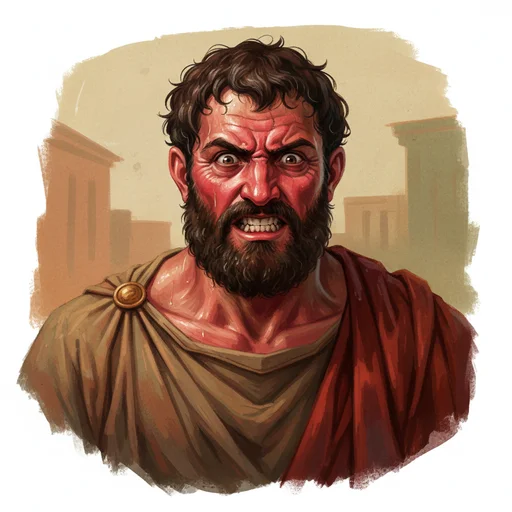
Thrasymachus
The famous Sophist who presents the greatest ideological obstacle to Socrates in the opening part of the Republic (Book 1). Diving into the discussion with a fury that could stir heaven and earth, he destroys all moral definitions under the umbrella of cunning. He defines justice as 'what serves the interest of the strong' and injustice as 'what is truly smart and worthy of a man'. His philosophical pragmatism is built on power, politics, and trickery; he claims that people secretly envy tyrants. He loses to Socrates, gets angry, and sweats, but does not essentially give up his belief; the deep cynical realism he reveals is the real wound that causes the remaining 9 books of the text to be constructed by Socrates.