
Anonymous
Turkic mythology encompasses the beliefs, legends, and epics of ancient Turkic tribes living in a vast geography stretching from the Central Asian steppes to Anatolia. In this world, dominated by a dualistic and shamanistic understanding of the universe (Tengrism), the Upper World is ruled by the god of goodness, Ulgan, while the Lower World is governed by the god of darkness and evil, Erlik Khan. Nature is filled with sacred places and creatures, each possessing its own spirit (Iye); disrespecting them brings disaster. Heroes engage in epic struggles against supernatural beings, giants, dragons, and evil spirits to protect their people. While sacred animals like the Grey Wolf guide the tribes, goddesses like Umay Ana serve as the protectors of life and innocence. Destructive monsters like the Tepegöz (Cyclops) represent the primitive chaos that challenges the boundaries of human civilization. These narratives pass down the spiritual strength, sense of honor, and quest for eternal life of a society living in harmony with nature and struggling to survive under harsh conditions, from generation to generation.
The struggle for survival and the quest to reach the light (Ulgan) as humanity attempts to protect its honor and lineage against both the dark forces of the underworld (Erlik, demons) and the ruthless destructiveness of nature (monsters, disasters).
The Central Asian steppes, the Altai Mountains, the forests of Ötüken, vast plains, dark corridors of the underworld, and the nine-layered sky.
Prehistoric and ancient times (the mythological period extending from the dawn of time until the Turks' acceptance of Islam).
A mesmerizing atmosphere that is epic, mystical, ruthless, respectful of nature, and carries a sense of heroic grandeur.
An exuberant, evocative, and at times mournful, uplifting third-person epic narration passed down through the mouths of bards and shamans playing the kopuz.
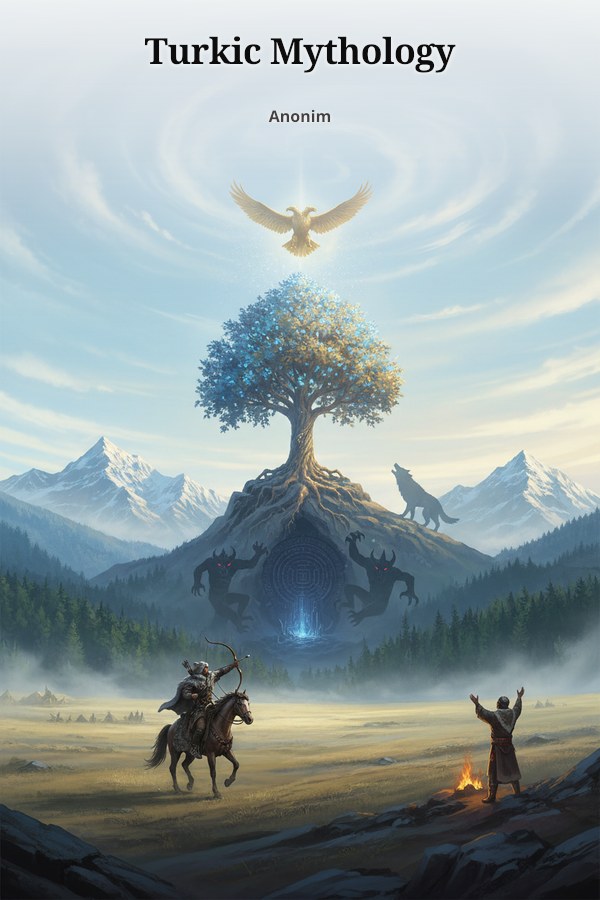
The universe consists of three main layers: Sky (Upper), Earth (Middle), and Underworld (Lower). The Tree of Life connects these realms. Only shamans, spirits, and great epic heroes can travel between these realms. Promises and oaths possess magical power; breaking them brings curses and disasters. Fire is sacred and cleanses everything, while nothing impure can be introduced to water. Every mountain, forest, and body of water has a guardian spirit (Iye); anything taken from them without permission or with disrespect is punished with illness or death.
A patriarchal structure based on the nomadic or semi-nomadic lifestyle of ancient Turkic tribes, where horse-warrior culture is integrated with shamanic (Kamlık) and Tengrist beliefs, yet places great value on women and nature.
Characters are arranged at equal intervals on a circle; you can read the relationship type and dynamics by clicking on the lines.
Bir çizgiye tıklayarak ilişki detayını açın.
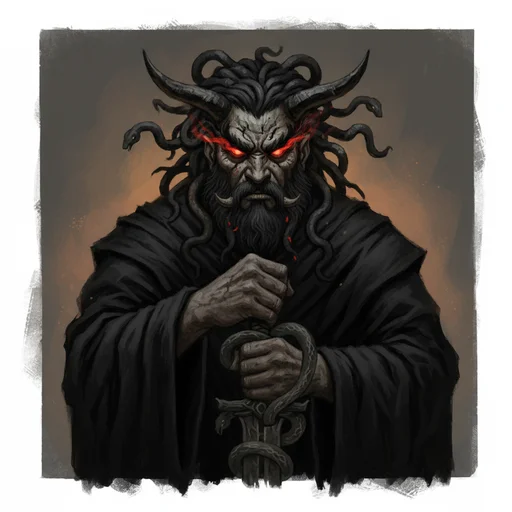
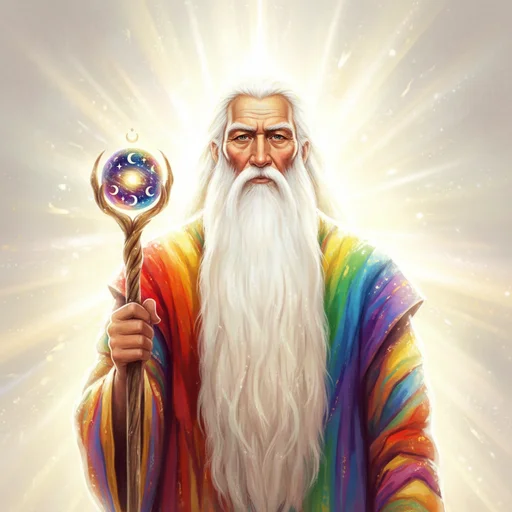
According to legend, these two powers, which participated together in the creation of the universe, became eternal enemies due to Erlik's arrogance. While Ulgan represents the creative and protective light, Erlik symbolizes destructive darkness. This contrast between them provides the balance for the existence of the world and humanity.
In the creation epic, Erlik is punished after hiding soil from Ulgan to create his own dark world.
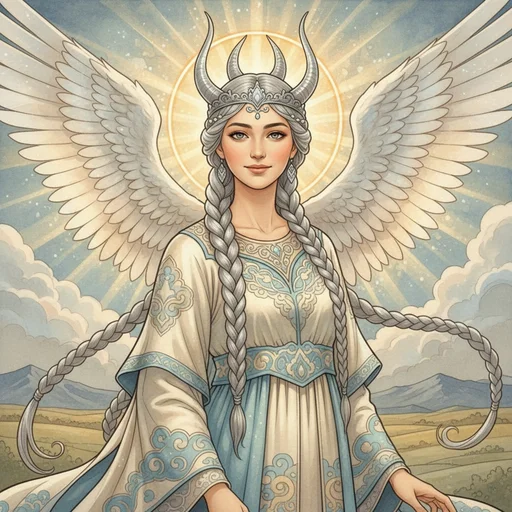
While Ulgan is the father of the universe and divine laws, Umay Ana is the mother of life, warmth, and fertility in that universe. Together, they form the fundamental balance of the Gök Tengri belief. Together, they watch over the well-being of humanity and respond to prayers with goodness.
During the greatest rituals of Altai shamans, they pray to both Ulgan for light and Umay Ana for fertility and compassion.
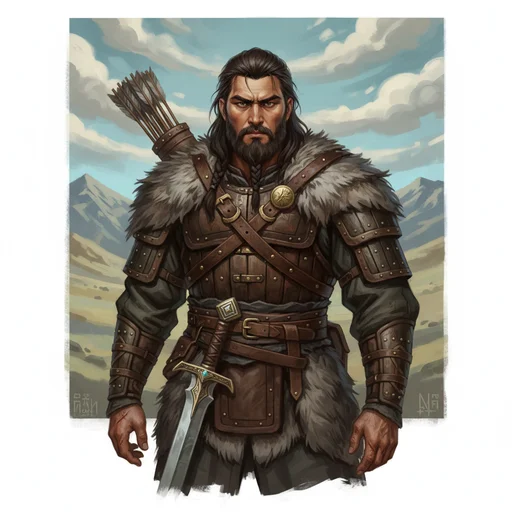
When Er Töstük descends into the underworld, he must confront Erlik Khan's demonic kingdom directly. While Erlik sets endless traps to break human will, Töstük overcomes these obstacles with his unshakable persistence. This dynamic symbolizes humanity's victory over the fear of death and darkness.
The series of deadly battles Er Töstük engages in with Erlik's snakes and colossal monsters in the underworld.
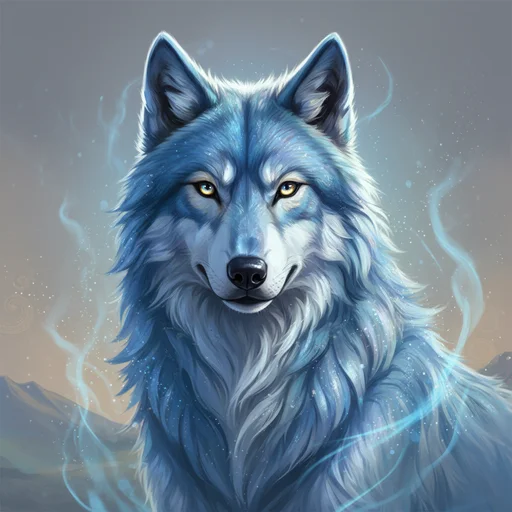
Asena is a sacred savior who recreates a nation on the brink of extinction from her own flesh and blood. This bond, stemming from the heart of the wilderness, grounds the Turks' dedication to their independence. Whenever Turks are in trouble, they believe that a guiding wolf will appear on the horizon.
Escaping the only surviving child, who had severed legs, from enemies and nursing and healing him in a cave in the Altai Mountains.
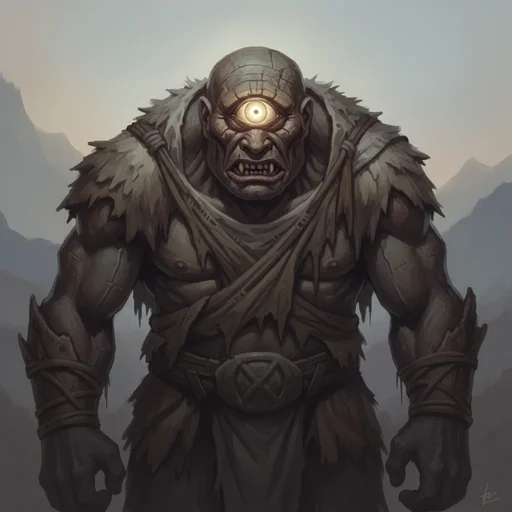
Both were raised in the home of Aruz Koca, but their natures made them mortal enemies. While Basat represents the conscience and intellect of humanity, Tepegöz represents a savage, unstoppable calamity. Despite being raised like brothers, Basat must destroy him to ensure the survival of his people.
The epic showdown where Basat saves the land of Oghuz by plunging a red-hot iron rod into the eye on Tepegöz's forehead, his only weak point.
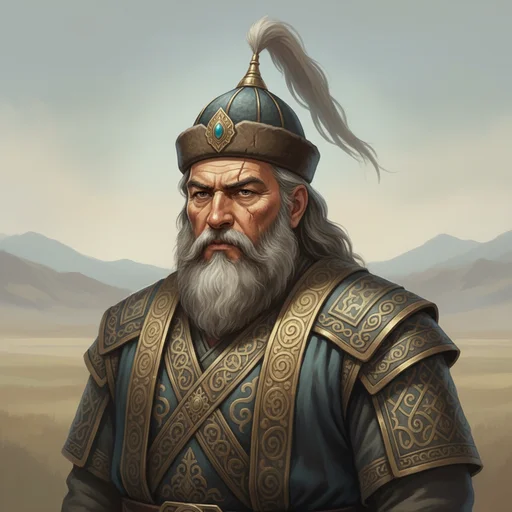
Alp Er Tunga is the legendary leader and protector who united the tribes into a powerful nation. His people were devoted to him not just as a commander, but as a merciful and just father. His death by treachery plunged the entire nation into a state of psychological and spiritual orphancy.
The famous elegy written after his death, describing how all tribes were drowned in grief, tore their clothes in lamentation, and felt the world had become empty.
While Mother Umay breathes life into infants in their cradles to protect them, Erlik Khan sends sickness to drag these innocent souls into the dark underworld. On an invisible battlefield, the two are in an eternal struggle, one to give life and the other to take it. This duality is the mythological explanation for infant mortality and the fragility of life.
In shamanic rituals to heal a sick child, the shaman first invokes Umay to act as a shield, then drives away the envoys of Erlik with a whip.
Tepegöz is the antithesis of civilization; he acts as a monster born from within the Oghuz society that is sworn to destroy them. No matter how warrior-like the Oghuz are, they succumb to their fear and helplessness. Tepegöz's insatiable hunger is like the price paid for the hubris and sins of society.
Tepegöz keeping entire tribes in terror as prisoners by demanding a tribute of two men and five hundred sheep every day.