
Aziz Augustinus
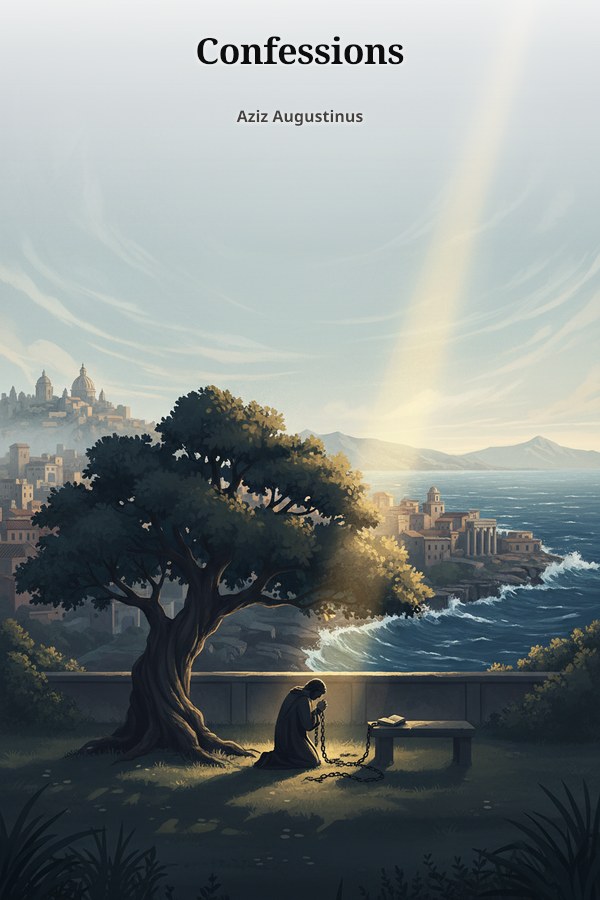
Augustine of Hippo's 'Confessiones' (Confessions) is a theological and philosophical masterpiece written between 397 and 400 AD, widely considered the first true autobiography in Western literature. By sincerely recounting his sinful past, his conversion from Manichaeism to Christianity, and his struggle to reach God, Augustine offers a work of spiritual contemplation and self-criticism.
The intense internal conflict the protagonist experiences between the chains of habit forged by bodily passions—such as fame, sexuality, and worldly success—and his spiritual yearning to find absolute truth and God.
The North African city of Tagaste (birthplace), Carthage (student years and early teaching years), Rome, and the cities of Milan and Ostia in northern Italy.
Late Antiquity / Roman Empire Period (4th century AD, approx. 354–430 AD)
A deeply introspective, spiritual, remorseful, and philosophical atmosphere. The author's internal reckonings, the awe felt for God, the sorrow born from the confession of sins, and the ultimate sense of tranquility found in discovering the truth imbue the text with a profound theological weight.
First-person narrator-author (Augustine). The entire book is written in the language of prayer, supplication, and confession, addressed directly to God.
The entire universe and everything in it were created from nothing by the one, eternal, and absolute good, God. Evil is not a substance or essence in itself, but rather a privation of good and the turning of the will toward base, ephemeral objects rather than God. Although humans commit sins through their free will, salvation and true happiness are possible only through divine grace by turning inward to find God.
A transitional period in the Roman Empire where paganism was dying out and Christianity was gaining strength. A culture prevailed in intellectual circles where dualist beliefs such as Manichaeism and Neo-Platonic philosophies were intensely debated, and where classical education in rhetoric and oratory was highly valued.
Characters are arranged at equal intervals on a circle; you can read the relationship type and dynamics by clicking on the lines.
Bir çizgiye tıklayarak ilişki detayını açın.
Although Augustine repeatedly strays from God through his errors and sins, he realizes that God is always within him and waiting for him with mercy. This relationship, which initially bears traces of denial and rebellion, transforms into a deep love, complete surrender, and gratitude by the end.
O eternal truth, O true love, O beloved eternity! You are my God, I long for you day and night.
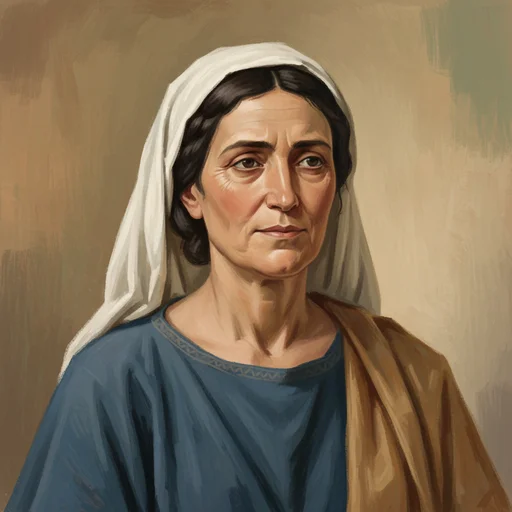
A relationship of high spiritual weight in which Monica prays with ceaseless persistence for her son to escape his worldly and deviant paths and reach spiritual salvation. Augustine scorns his mother's pious advice in his youth, but upon finding the truth, he exalts her as his spiritual companion and the instrument of his salvation.
When my mother drew her last breath... She praised me for the care I had shown her, and with great love, she called me a good son.
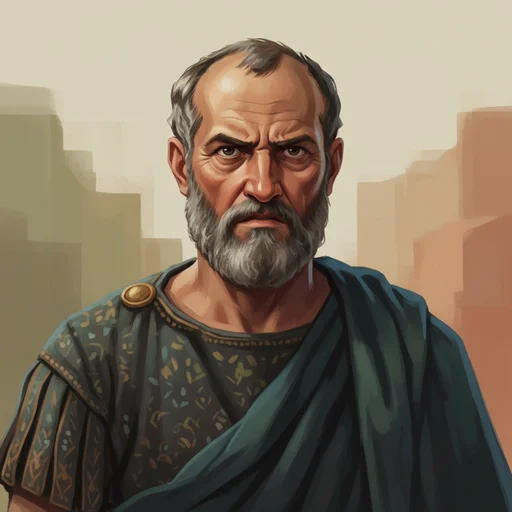
Augustine states that his father was interested only in his bodily and worldly development (rhetorical education, property, grandchildren) rather than his moral or spiritual state. It is a distant relationship shaped largely by worldly ambitions.
My father had little intention of entering the Christian faith... He was pursuing empty dreams regarding me.
Monica responds to the rage of her irritable and pagan husband with patience, piety, and silence. Within the traditional and patriarchal order, she softens her husband by yielding to him and eventually ensures his conversion to Christianity in the final days of his life.
Her husband loved and respected his wife for her virtues, and he admired her. Her husband was generally a good man, but he was very quick to anger; when he became angry, my mother had learned not to respond in word or deed.
They are deeply connected intellectually and spiritually. Augustine always finds Alypius by his side during his spiritual crises. Their struggles and philosophical pursuits are shared; they break the chains of sin and convert to Christianity at the same time.
Distraught by the fiery debate I had held with my own soul in that secret chamber called the heart, I grabbed Alypius by the collar and shouted into his face.
He is a brilliant friend who, while questioning philosophy, became a companion to Augustine on his path to seeking the truth. Together, they stayed united from Africa to Italy in their pursuit of the truth, debating it with passion.
Nebridius, too, had left his home near Carthage... and decided to live with me in the search for truth and wisdom.
Augustine initially approaches Ambrose, the bishop of Milan, only for his excellent oratorical skills and mastery of words, but over time, he opens his heart to the Catholic truth through the deep spiritual interpretations Ambrose brings to the sacred texts. Ambrose serves as a catalyst for Augustine's awakening.
You led me to him without my knowledge, so that he might lead me to You knowingly. This man of God welcomed me like a father.
Augustine waits a long time for Faustus, the greatest representative of Manichaeism, but upon meeting him, he realizes that Faustus is a superficial person devoid of philosophy and science, speaking only in flowery words. This realization causes Augustine to break away from Manichaeism.
Once I learned that this man was ignorant in the very field I thought he was peerless, I lost faith that he could solve the problems that plagued my mind.
He is the son Augustine had from an extramarital affair. Augustine admires his son's sharp intellect, and although he knows he is the fruit of his own sin, he views him as a gift from God and takes him under his wing spiritually during his baptism.
We also included young Adeodatus, the fruit of my sin... There was nothing of me in this child but my sin.
During a period when he is suffering from a weakness of will, Augustine seeks counsel from the elderly and wise Simplicianus. The story of Victorinus's conversion, as told by Simplicianus, triggers Augustine to shed his own pride and fears.
As soon as Simplicianus told me of the conversion of Victorinus, I burned with the desire to imitate him.