

Les Misérables — 6 karakter
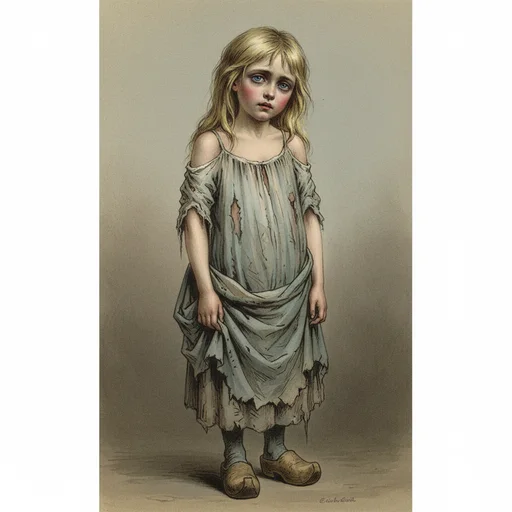
Cosette (Euphrasie)
An illegitimate orphan girl. Poor Fantine hands her over to the greedy innkeeper family, the Thénardiers, in hopes of working and earning money. However, this fake family treats Cosette like a Cinderella out of a fairy tale, making her a servant and, despite all those exorbitant payments, leaving the girl in rags, hungry and cold. Cosette's mind has become frozen from being unable to live her childhood; she has turned into a timid and wretched creature who trembles with fear. When Jean Valjean comes to town and helps her carry heavy water in the forest, gifting her a miraculous doll, Cosette's destiny begins to change.

Fantine
She is one of the purest symbols of innocence and tragedy. Her greatest mistake in life was falling in love with Tholomyès because of her beauty after starting work as a seamstress in Paris at the age of fifteen. Abandoned by her fake lover while pregnant, she is forced to return to her hometown. She entrusts her child (Cosette) to the devious Thénardier couple, who run an inn. However, due to crushing debt and moral hypocrisy, she is fired from her job in her hometown; over time, she sells her hair and teeth to barbers to pay for her daughter's fabricated medical expenses, and eventually descends into prostitution, practically selling her flesh and bones. While she finds a glimmer of hope when the kind-hearted mayor reaches out to her as she walks toward death from the tuberculosis consuming her body, she dies on her deathbed without ever reuniting with her daughter.

Jean Valjean (Monsieur Madeleine)
A poor peasant who once stole a loaf of bread to feed his sister's seven children and spent 19 years in prison. The torments of prison turned him into an enemy of humanity, a wild man with a heart of stone. However, the forgiveness of the kind-hearted Bishop Myriel, who gave him his silver and said, 'I give your soul to God,' ignites a spark in his soul. Changing his name and identity, he becomes Monsieur Madeleine, a wealthy and virtuous mayor in Montreuil-sur-Mer. For years, he hides his secret, working for justice, education, and charity. Yet, through a twist of fate, when an innocent man is about to be imprisoned in Arras because of him, he undergoes an internal reckoning, confesses in court, and is again surrendered to the chains of the galley slave.
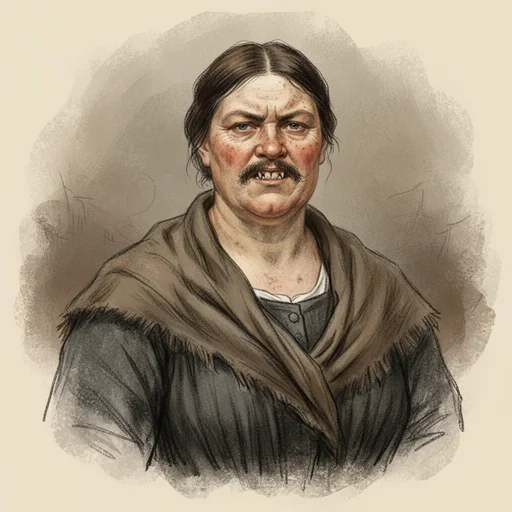
Madame Thénardier
Co-owner of the Waterloo Sergeant Inn in Montfermeil. She is a rough-spirited innkeeper's wife who only reads cheap romance and knight novels; however, with her massive physique, masculinity, and red hair, she resembles a terrifying soldier. This hate-filled figure, who perpetually targets Cosette with physical and emotional abuse, treats her own daughters like spoiled princesses. She is bound to her husband by a blind, secret fear and obedience.

Inspector Javert
Born to a fortune-teller and a galley slave in a prison, he began life at the very bottom, starting as an enforcer of absolute authority as if in a terrible act of revenge. He never lies and knows not a shred of empathy or mercy. In his eyes, people are divided only into those who represent obedience and criminals who must be crushed. He secretly watches the mayor, known as Madeleine, until he realizes that he is actually the escaped galley slave Jean Valjean whom he has been seeking for years, and he nurtures his suspicions like a hunter. For him and the laws, the repentance of a human soul has no validity.
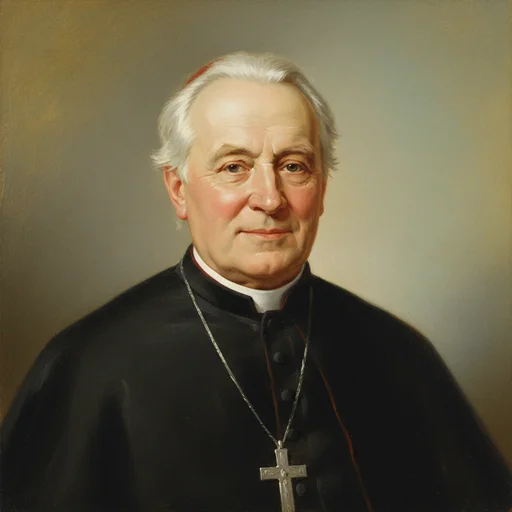
Bishop Myriel (Monsieur Charles François Bienvenu Myriel)
As the Bishop of Digne, this noble and wise figure is the philosophical backbone of the novel. He has moved away from the luxury and noble French tradition of his youth, dedicating himself entirely to the poor, orphans, and the sick. He spends almost all of his high salary on social aid for the poor and prisoners, and he never locks the doors of his house. He invites the accursed Jean Valjean—whom no one in society dares to welcome—to sit at his table. He is the miraculous and holy figure who, instead of turning him in after his silver is stolen, gives Valjean a chance at spiritual resurrection by saying, 'You forgot to take the rest of it.'