

The Great Speech — 5 karakter
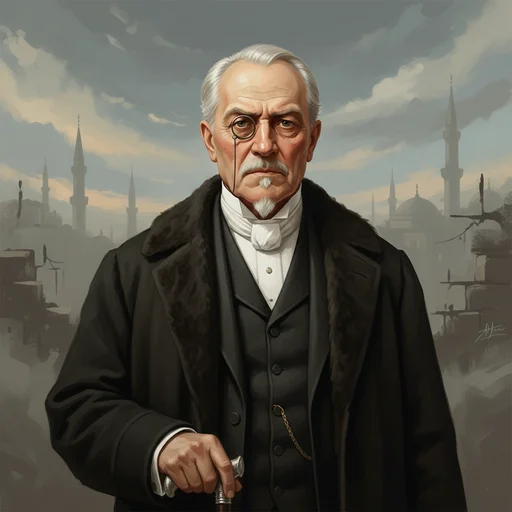
Damat Ferit Pasha
The chief villain of the National Struggle and the Nutuk. As the Ottoman Grand Vizier in Istanbul, he worked in full cooperation with the Allied Powers and the British High Commissioners, attempting to extinguish the fire of resurrection in Anatolia. He labeled the Kuvay-ı Milliye as 'rebels,' pursued a policy of partitioning the homeland with enemy armies, and fueled internal rebellions by personally issuing fatwas against Mustafa Kemal and his friends.
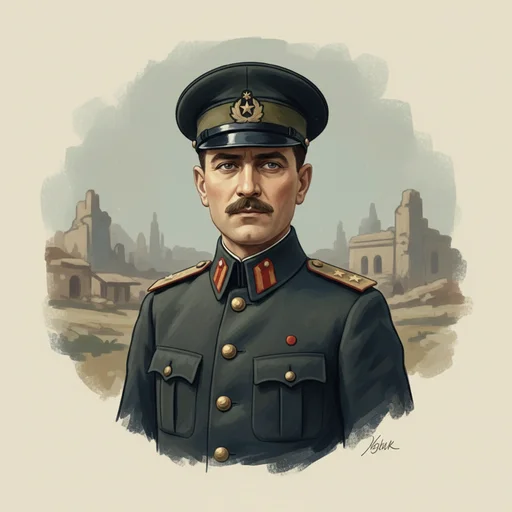
İsmet Pasha (İnönü)
The Western Front Commander of the War of Independence and the victor of the First and Second Battles of Inonu. He played a key role in the establishment of the regular army and the suppression of rebellions (such as Cerkez Ethem). Beyond his military genius, he made the world accept Türkiye's full independence through the unyielding and iron-willed diplomacy he displayed at the Mudanya Armistice and especially at the Lausanne Peace Conference. He is Mustafa Kemal's closest confidant, trusted person, and number one political and executive ally in the implementation of the reforms.
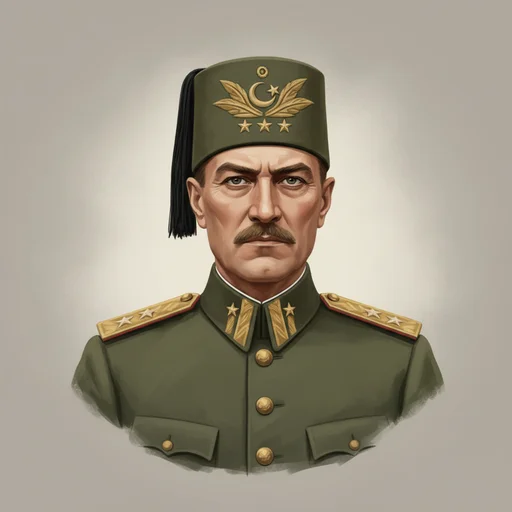
Kâzım Karabekir Pasha
A respected pasha and the Commander of the 15th Army Corps who secured the eastern borders of the National Struggle. He provided historic assistance in the convening of the Erzurum Congress and the consolidation of Mustafa Kemal's leadership. However, in the stage of the Republic and reforms that followed military victories, he fell into violent disagreements with Mustafa Kemal regarding the administration of the state and the structure of the Parliament. As one of the pioneers of the Progressive Republican Party, he adopted an elitist approach that advocated for the guardianship of the army and conservative 'experts' over the parliament.
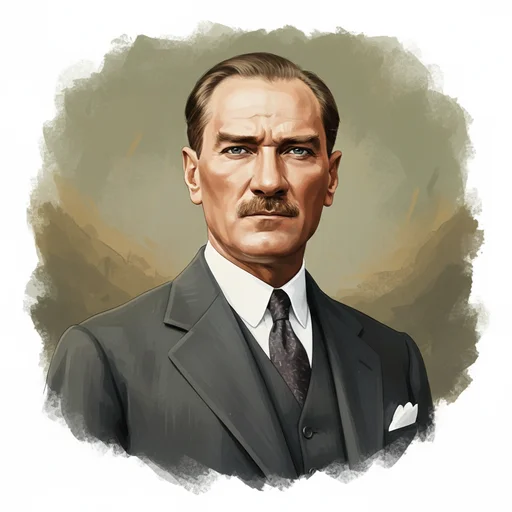
Mustafa Kemal Ataturk
The commander-in-chief of the War of Independence, the first president of the Grand National Assembly of Türkiye, and the founder of the Republic of Türkiye. By landing in Samsun on May 19, 1919, he lit the fire of creating an independent nation-state from the wreckage of the collapsing empire. In addition to his military genius, he fought against both the occupation armies of the Allied Powers and the Sultan and Caliph who supported them with an immense political and diplomatic strategy. He implemented every stage of the revolution when the time came, and did not hesitate to part ways with even his closest friends for the sake of his principles. In the *Nutuk* (Speech), he explained to his nation how this unique homeland was founded, based on documents, with unshakeable logic and historical responsibility. He is a unique revolutionary who recognized no legitimacy other than the sovereignty of the people.
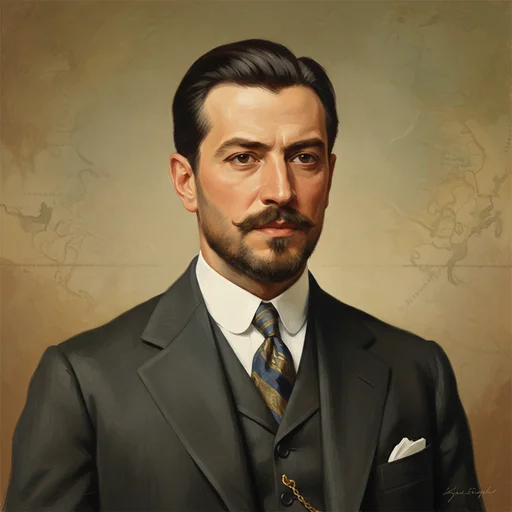
Rauf Bey (Huseyin Rauf Orbay)
An influential soldier and statesman who set out with Mustafa Kemal at the beginning of the National Struggle and signed the Amasya Circular. He served as the Minister of War during the final days of the Ottoman Empire and was forced to sign the Armistice of Mudros. However, as events unfolded, his conservative identity took precedence when he faced the reality that Mustafa Kemal would abolish the Sultanate and Caliphate and proclaim the Republic. His oath to the Sultan and personal fears pushed him to the position of an opposition leader against the revolutions. Even while he was the Chairman of the Council of Ministers (Prime Minister), he engaged in opposition against Ankara behind closed doors.