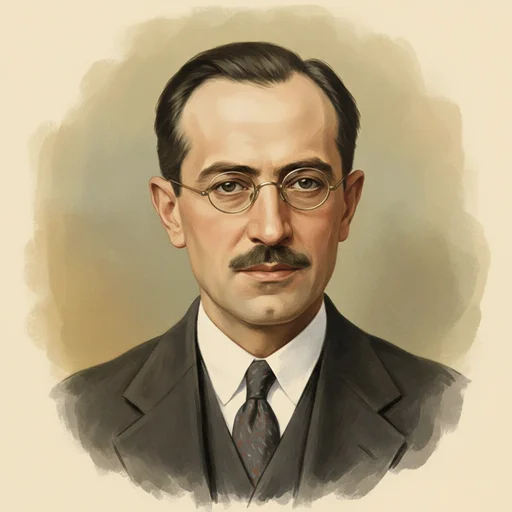

Reşat Nuri Güntekin
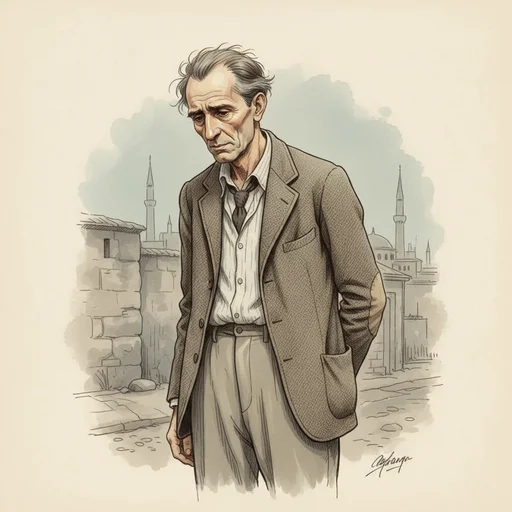
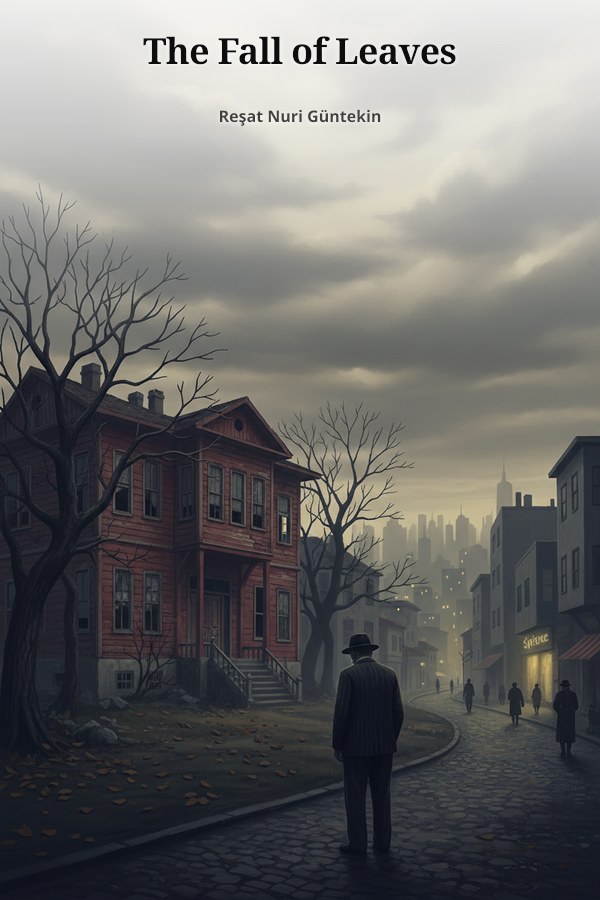
Adapted from Reşat Nuri Güntekin's 1930 novel, Yaprak Dökümü (The Fall of Leaves) focuses on the moral Ali Rıza Bey and the disintegration (the falling of the leaves) of his family amidst financial pursuits and corruption. The work is a realist social novel that deals with the misunderstanding of Westernization, the effects of economic changes on family structure, and moral collapse.
The struggle of Ali Rıza Bey, an honest and honorable father raised with the strict moral codes of older times, to keep his family together in the face of poverty, their desire for luxury, and the corrupted morality of the era. This struggle concludes with the father having to sacrifice his honor, caught between maintaining his integrity and providing for his children's welfare.
Istanbul. Initially, the old house in Bağlarbaşı where traditional values were preserved and the trading companies where Ali Rıza Bey worked. Later, coffeehouses where impoverished retirees gathered, Fikret's house in Adapazarı, and finally, Leyla's modern apartment in Taksim, which represents degeneration.
Post-World War I (The Great War), the early years of the Republic (the 1920s). A transition period dominated by shifting economic and social balances.
Dark, suffocating, melancholic, and tragedy-oriented. A heavy sense of oppression brought on by escalating poverty, moral decay, and desperation permeates the entire story.
A third-person omniscient narrator who knows all the details of the events and has access to both the inner psychological worlds of the characters and the external environment.
In this world, honesty and honor are weak and destined to be defeated unless supported by financial security. Poverty is an acid strong enough to dissolve even the most fundamental moral principles and family bonds. The rule that 'honor without money can only last for a generation or two' functions almost like a ruthless physical law of this universe.
A post-war society marked by a frantic rush to get ahead. It is a period where old moral foundations have collapsed, people are dissatisfied with their status, and the obsession with luxury, entertainment, and a 'modern' lifestyle has reached its peak. Traditional bureaucratic ethics have given way to a pragmatic and ruthless merchant mentality.
Characters are arranged at equal intervals on a circle; you can read the relationship type and dynamics by clicking on the lines.
Bir çizgiye tıklayarak ilişki detayını açın.
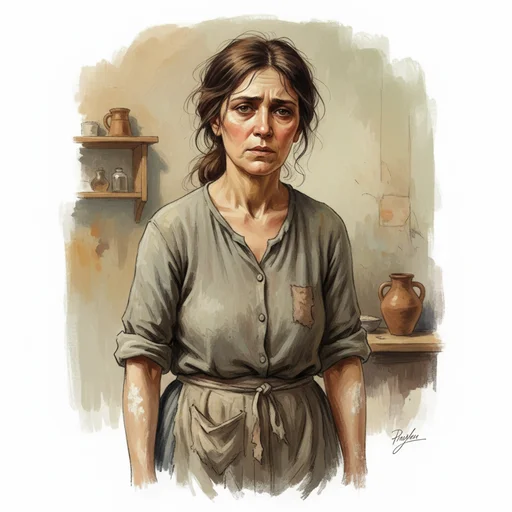
Initially, they are under the strict patriarchal authority of Ali Rıza Bey. However, as poverty increases, the power balance shifts completely; Hayriye Hanım behaves pragmatically, rebels, takes control of the family, and renders her husband insignificant.
Hayriye Hanım, who previously never disobeyed her husband, begins to shout at him and blame him, saying, 'Because of you, every one of my children has been ruined.'
Based on deep love and respect. Ali Rıza Bey sees Şevket as the pillar of the family and his own moral heir. Even when Şevket is crushed under this burden and pushed into crime, their love does not assimilate but turns into a deepening pity.
Ali Rıza Bey's reception of Şevket's feeling of relief while he is in prison with great understanding during a visit.
Fikret is the child who most resembles her father intellectually and morally. However, she can never forgive the weakness her father shows toward her mother and wayward siblings, and a deep moral resentment and coldness develop between them.
Fikret criticizing her father by saying, 'It never crossed my mind to resent you because we became poor like my mother or my siblings... but I could not forgive the weakness shown to them.'
Initially, they are accomplices in their fondness for modern life and entertainment. However, when it comes to finding husbands and attaining luxury, they turn into fierce rivals; they become enemies after Necla steals Leyla's fiancé.
The two sisters, previously laughing and playing together, get into a physical fight, calling each other 'sluts' after Abdülvehhap shifts his attention.
It is a relationship of one-sided sacrifice and exploitation. Ferhunde is the constantly demanding, manipulative party. Şevket is the victim who consumes himself financially and spiritually just to not lose her love, eventually leading to his imprisonment.
Şevket embezzling money from the bank because he could not meet his wife's demands for entertainment and clothing.
A fake relationship built solely on the promise of financial security and luxury. It collapses at the slightest hint of a reputation crisis, and Abdülvehhap turns to the younger sister, whom he sees as easier prey.
After an argument breaks out because he ran into his old friends on the street, Abdülvehhap abandons Leyla to propose to Necla.
A relentless cold war takes place between the daughter-in-law and the mother-in-law over the management of the household. Hayriye Hanım, who did not want Ferhunde at first, is forced to retreat and even serve her because of Ferhunde's audacity and influence over Şevket.
The once proud Hayriye Hanım being forced to prepare appetizers and sandwiches in the kitchen for Ferhunde and her guests.
The respect that once characterized the student-teacher relationship degrades to that of a boss and a subordinate. Muzaffer's corrupt morals exceed Ali Riza Bey's limits of tolerance, leading him to sever their ties at the cost of his own economic ruin.
Ali Riza Bey's indignant refusal of Muzaffer's proposal—which he views as a matter of honor—when he goes to his office to discuss the seduction of Leman, followed by his subsequent resignation.
Fikret's dignified and honorable stance directly conflicts with her mother's corrupt flexibility, which extends to peddling her other daughters. As Fikret leaves home, she severs all ties, not even bidding her mother farewell.
Fikret pushing her mother away with an angry gesture when her mother tries to embrace her as she departs to get married in Adapazari.
Ali Riza Bey is initially repulsed by Leyla's lifestyle and casts her out of the house. However, broken by the blows of illness and poverty, he loses his pride and eventually surrenders, finding refuge in the life established by Leyla's 'dirty' money.
At the end of the story, the paralyzed Ali Riza Bey teaches Leyla's parrot how to speak in the apartment purchased with money provided by the lawyer.